What Is a Food Delivery Management System? Features, Benefits & How It Works
D
Dhananjayan
Mar 13, 2026
Loading content...

Food delivery has moved from being an extra service to a core part of how restaurants and takeaways operate. As order volumes increase and customer expectations rise, managing deliveries manually becomes risky, slow, and difficult to scale.
This is where a food delivery management system plays a critical role.
In this guide, we explain what a food delivery management system is, how this software works in real-world restaurant environments, the features that matter most, and why it’s now essential for delivery-led businesses.
A food delivery management system is software that helps restaurants control and oversee the full delivery journey from the moment an order is placed to the moment it reaches the customer.
Instead of relying on phone calls, handwritten notes, or staff memory, the system connects orders, drivers, and delivery status into one structured workflow. This ensures every order is dispatched correctly, tracked accurately, and completed on time.
For restaurants offering in-house delivery, it becomes the central system that keeps everything moving.
In practice, food delivery management software works alongside your existing restaurant systems.
Here’s how the process usually unfolds:
This removes manual coordination and gives teams real-time visibility over delivery operations.
A reliable food delivery management system typically includes:
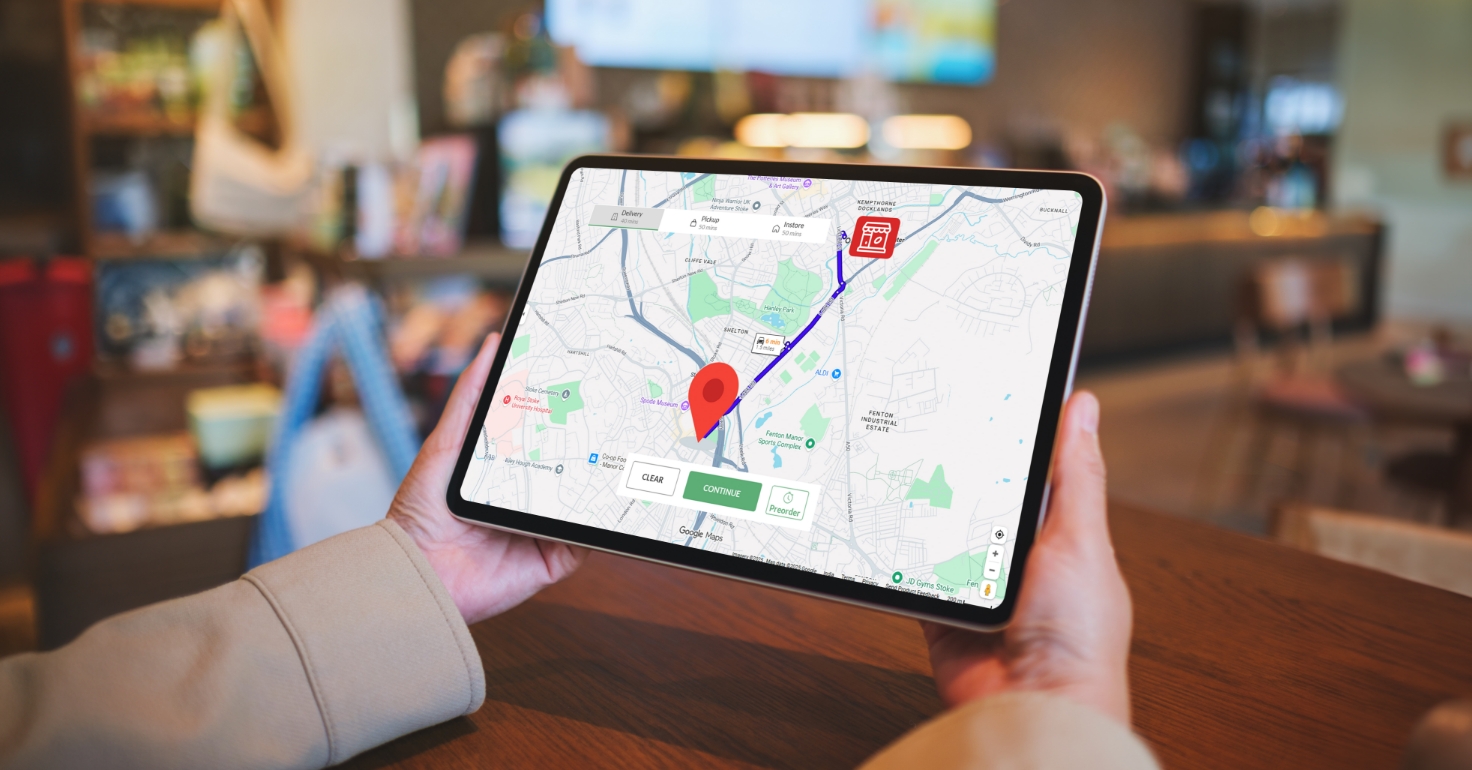
See driver movement in real time, helping you manage routes, delays, and workload more efficiently. This visibility helps restaurants respond quickly to issues and improve delivery coordination.
Orders are assigned based on availability and location, reducing wait times and human error. This ensures deliveries are handled faster while balancing the workload between drivers.
Automatic notifications keep customers informed without staff needing to make follow-up calls. Customers receive updates on order status, improving transparency and overall experience.
Track delivery times, driver performance, and order completion rates to improve service quality. These insights help identify bottlenecks and make data-driven improvements to operations.
Direct integration ensures that information flows accurately without double entry. This keeps orders, payments, and delivery details synced across your systems.
Using food delivery management software delivers measurable operational improvements:
Smarter dispatch and tracking help orders reach customers faster and more reliably. Optimised routing also helps drivers complete more deliveries within the same time.
Digital workflows minimise missed addresses, incorrect assignments, and order mix-ups. Accurate order information ensures drivers and staff stay aligned throughout the process.
Clear communication and consistent delivery times build trust and repeat business. Customers are more likely to order again when deliveries arrive on time and as expected.
Automation removes the need for constant coordination, freeing staff to focus on service. This allows teams to spend more time preparing food and supporting customers.
As delivery volume grows, the system handles the complexity without adding admin burden. Restaurants can manage higher order volumes without expanding their team.
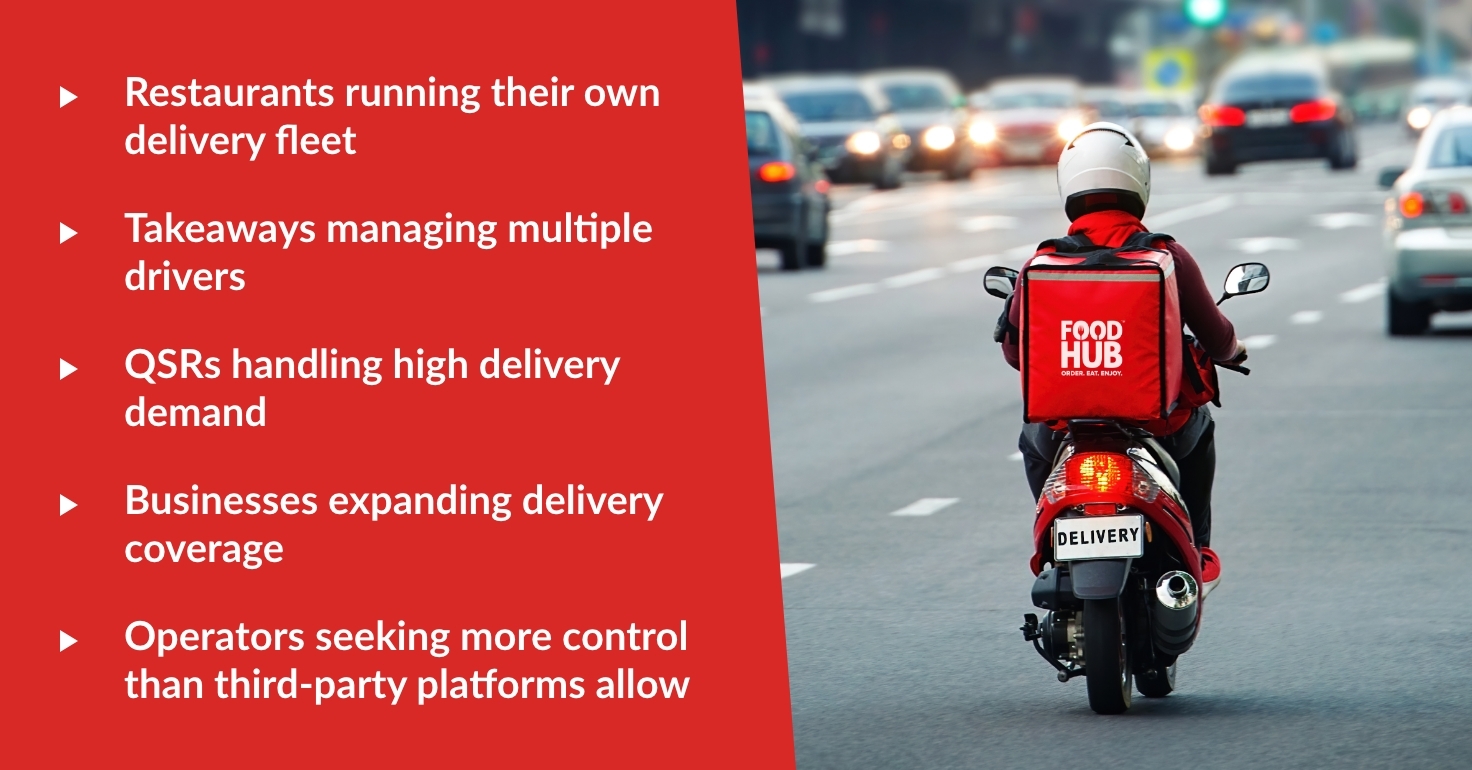
This solution is particularly valuable for:
If delivery contributes significantly to revenue, managing it without dedicated software quickly becomes a limitation.
Delivery works best when it isn’t isolated.
When a food delivery management system is connected to a POS system, online ordering, and kitchen workflows, delivery becomes a seamless part of the order journey rather than a separate process to manage.
This connected setup improves visibility, reduces friction, and ensures consistency across every channel.
Foodhub for Business offers food delivery management software designed specifically for real restaurant operations. As part of Foodhub’s connected ecosystem, delivery management integrates with EPOS, online ordering, and dispatch tools to give restaurants full control over their delivery flow.
With Foodhub for Business, restaurants can:
Everything works within one system, helping teams stay organised during busy service and maintain reliable delivery performance.
Delivery success isn’t about working harder. It’s about working smarter.
A food delivery management system gives restaurants the structure, visibility, and control needed to deliver consistently, even as demand grows. For businesses serious about improving efficiency and protecting the customer experience, investing in the right software is no longer optional.
Book a free demo with Foodhub to explore how a connected delivery system can help you run faster, smoother, and more reliable delivery operations.