
Responding to Negative Feedback: a Guide for Restaurant Owners
Every restaurant receives criticism at some point. Even well-run kitchens and friendly teams have off days. What matters most is not negative feedback itself, but how it is handled.
Today’s diners rely heavily on online reviews. Research shows that 98 percent of consumers read reviews before choosing a restaurant, meaning your response can influence far more people than the original reviewer. A thoughtful, timely reply can turn criticism into an opportunity to demonstrate professionalism and care.
This guide explains how to manage restaurant reputation effectively and respond to feedback in ways that protect your brand and build customer trust.
Why Negative Feedback Matters
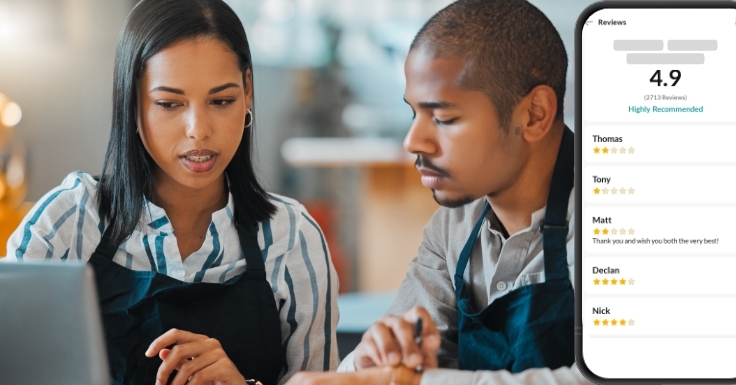
Criticism is not just a reflection of one bad experience. It can highlight deeper issues in service, food quality, or communication. When taken seriously, it becomes a powerful tool that helps a business grow stronger.
Negative feedback matters because it:
- Helps identify recurring issues
- Builds credibility when handled well
- Encourages improvements across the team
- Protects long-term reputation
Most importantly, how you respond often matters more than the review itself. Diners expect restaurants to make mistakes occasionally. What they want to see is accountability and commitment to fixing them.
1. Respond Quickly and Stay Calm
Timing plays a big role. A prompt response shows professionalism and reduces the chances of the customer escalating their frustration.
Industry reports show that customers expect a business to reply to their online review within seven days. Leaving a review unanswered for weeks gives the impression that the feedback is not valued.
How to approach it:
- Take a moment before replying
- Keep emotions out of the response
- Avoid defensive language
- Focus on clarity and calmness
A measured response builds trust and signals that you take responsibility seriously.
2. Start by Thanking the Customer
Even if the review feels harsh or unfair, appreciation is key. Customers want to know their voice is heard. A simple “Thank you for sharing this with us” softens the tone and positions the restaurant as approachable and professional.
Showing gratitude signals that every bit of restaurant customer feedback, positive or negative, helps you improve.
3. Acknowledge the Issue Clearly
Customers want to feel understood. Skipping straight to a solution without addressing their concern can feel dismissive.
Examples:
- “I understand your disappointment regarding the long wait time.”
- “We are sorry that the dish did not arrive as described.”
Avoid generic or automated sounding apologies. Personalise the response based on what actually went wrong.
4. Provide Context Without Making Excuses
It is appropriate to offer clarity, but only after a sincere apology. Customers expect accountability first; leading with explanations can make an apology feel disingenuous and the response defensive.
For example:
“We’re sorry for the delay you experienced. We were facing a technical issue that slowed down orders, and we appreciate your patience.”
This approach shows responsibility and transparency. Context helps customers understand what happened, but it should always support the apology, not replace it.
5. Offer a Clear Resolution
A good response explains what you will do to prevent the issue from happening again. This is essential in restaurant reputation management.
Examples of solutions:
- Retraining staff on customer service
- Updating kitchen processes
- Improving wait time communication
- Reviewing portion sizes or dish execution
If appropriate, offer to make things right. A replacement meal, a discount, or an invitation to speak privately can help rebuild trust. However, avoid over promising. Keep resolutions realistic.
6. Take Sensitive Conversations Offline
Public replies should be concise, professional, and solution-focused. More detailed conversations should happen privately. Encourage the customer to contact you directly through email or phone. This helps resolve the issue calmly and demonstrates respect for their time and experience.
A simple line works well: “Please get in touch with us at [contact details] so we can discuss this further.”
7. Maintain Consistency Across All Platforms
Reviews appear everywhere
- Tripadvisor
- Delivery platforms
- Social media comments
Your responses should maintain a consistent tone so your brand appears reliable and organised. Dedicate time each week to monitor these channels.
Pro Tip: The UK’s Top 10 Restaurant Review Sites You Should Be On
8. Learn from Repeated Feedback
Not all negative comments require major changes, but patterns should never be ignored.
For example:
- Frequent complaints about delivery delays
- Regular comments about portion sizes
- Repeated concerns about staff attitude
- Issues with order accuracy
Recurring feedback is a sign that operational changes are needed. Addressing these issues improves both customer satisfaction and business performance.
9. Train Your Team to Handle Negative Situations
Front of house staff often deals with criticism directly. Proper training ensures they can resolve issues professionally.
Focus on:
- Active listening
- Patience
- Problem solving
- Tone of voice
- Deescalation techniques
A well-trained team reduces the number of complaints that reach online platforms.
10. Celebrate the Positive Outcomes of Negative Feedback

It may feel counter-intuitive, but criticism often leads to positive transformation. Restaurants that actively listen and adapt tend to see higher customer loyalty and stronger long-term reputation.
When handled properly, a single negative comment can turn into a valuable opportunity to showcase customer care.
How Foodhub Helps Restaurants Manage Customer Feedback
Foodhub offers tools that make how to respond to bad reviews easier, including review management support, integrated communication features and real time reporting.
Restaurants can track issues, understand patterns, and respond more effectively. Combined with Foodhub’s ordering, EPOS and customer insights, owners get a complete picture of how diners feel and where improvements can be made. Partner with Foodhub to see how we can support your business.

.jpg)
