Ordering food online used to be a growth lever; in 2026, it’s simply expected.
Customers want convenience on demand. Operators want systems that run smoothly, stay profitable, and don’t create extra work for already stretched teams.
Many restaurants are still juggling orders across channels, platforms, and multiple provider contracts, making it harder to deliver a consistent experience during peak hours.
If this sounds familiar, this blog breaks down the most important online food ordering trends shaping 2026 and what they mean for UK operators who want to stay competitive without losing margins.
Trend 1: Direct Ordering is Becoming Essential for Margin Protection
Marketplaces still matter. They deliver reach, visibility, and demand, particularly for new or growing restaurants. But as commission costs, labour, and ingredient prices continue to rise, more operators are reframing direct ordering as a margin strategy, not only as a branding exercise.
Across the latest online food ordering trends, one pattern is clear: restaurants that rely entirely on third-party platforms are increasingly exposed to cost pressure they can’t control.
In 2026, the strongest approach is rarely “marketplace only” or “direct only”. Instead, it’s about building a balanced channel mix:
- Use marketplaces for discovery and incremental volume
- Shift repeat customers to your own restaurant website and direct channels
- Build ordering journeys designed for lifetime value, not one-off transactions
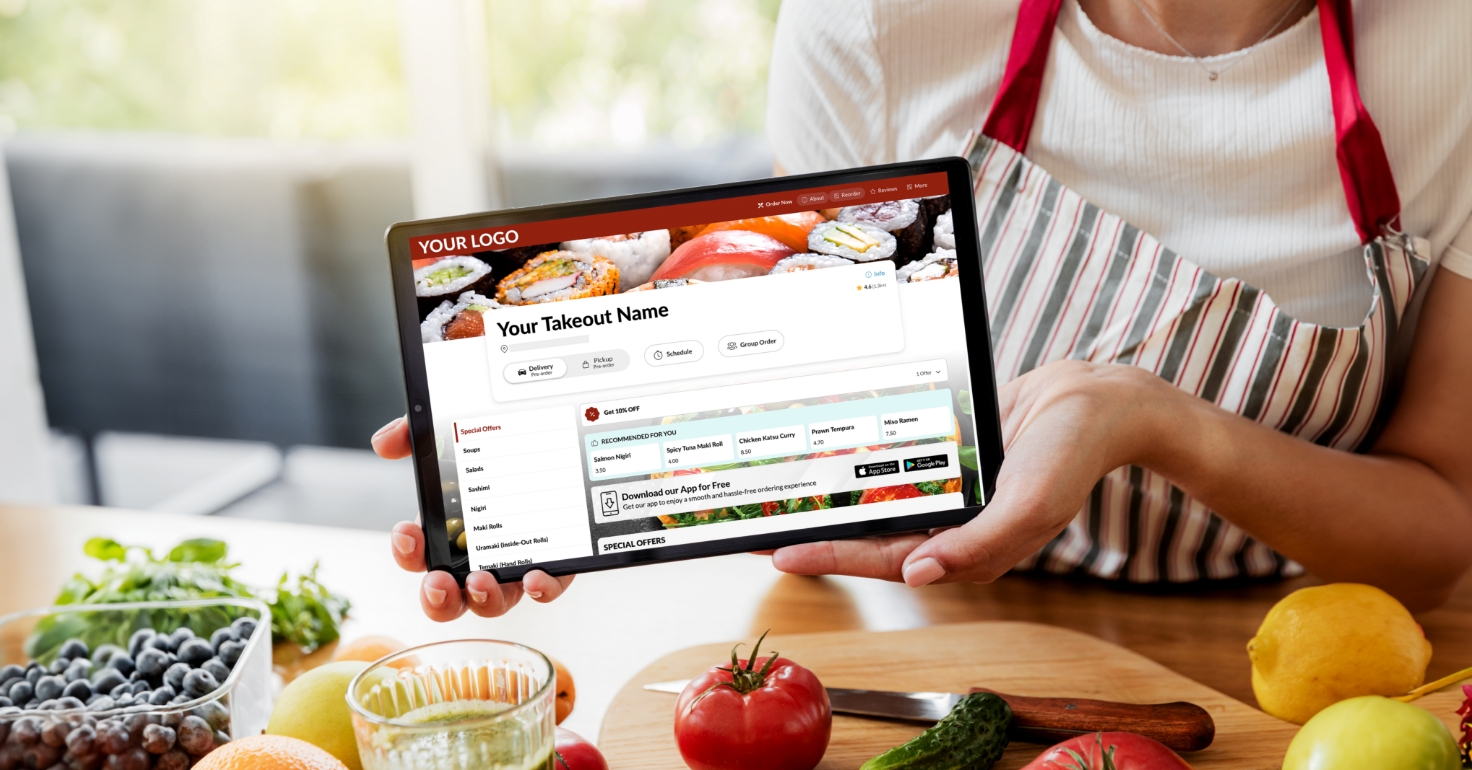
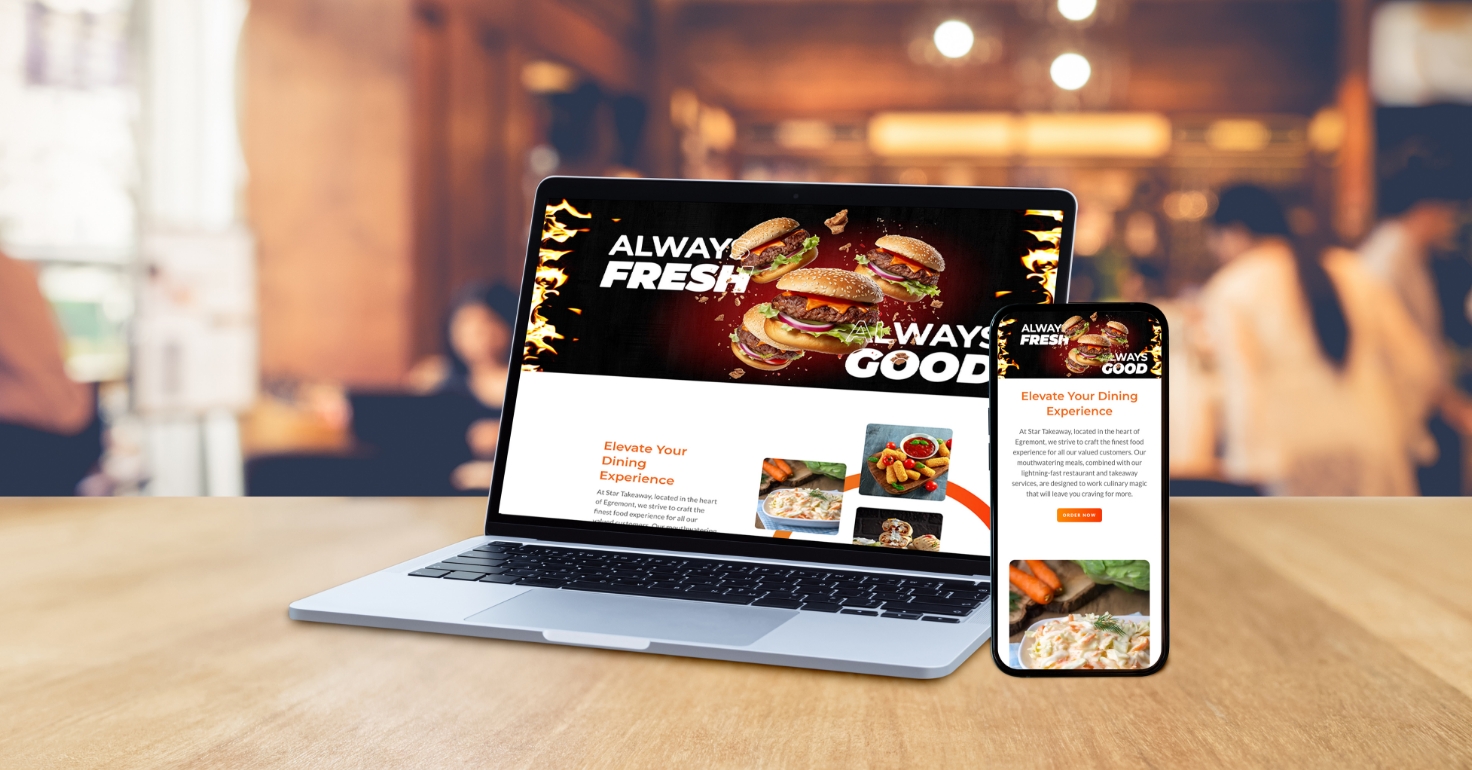
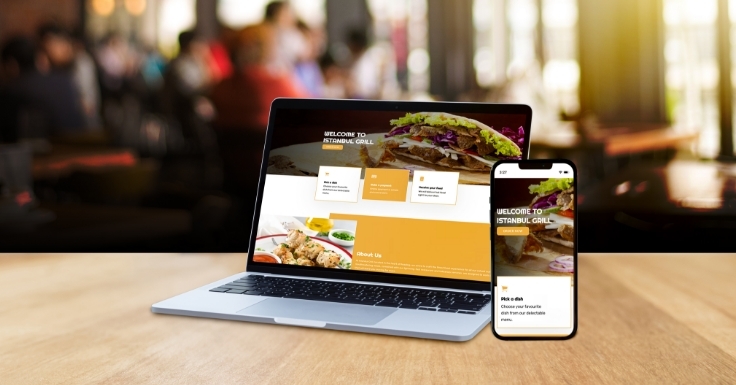
For restaurants thinking beyond short-term order volume, a well-built online ordering system is no longer optional. It’s core commercial infrastructure.
Trend 2: The Ordering Experience is the Customer Experience
Customers no longer separate “ordering” from “dining”. The experience begins at checkout, not at the table.
One of the most defining online ordering trends for restaurants is how unforgiving customers have become. If your ordering flow is slow, confusing, or painful on mobile, customers won’t wait for it to improve. They’ll simply leave.
There’s also a growing expectation around transparency. With tighter UK consumer regulations around pricing, delivery fees, and misleading content, friction at checkout is now a trust issue, not just a UX problem.
In 2026, the ordering experiences that convert tend to be:
- Mobile-first and fast-loading
- Easy to customise (especially modifiers and dietary options)
- Be clear about pricing and delivery fees early
- Simple to reorder from past purchases
- Consistent across web and app
Put bluntly: if customers feel like they’re filling out paperwork, they won’t finish the order.
Trend 3: Multi-Channel Ordering Is Standard, but Operations Still Lag Behind
Restaurants aren’t just handling 'counter' and 'online' orders anymore. They’re managing demand from multiple channels at once:
- Delivery marketplaces
- Direct orders via a restaurant website
- Branded mobile apps
- Click-and-collect
- Table ordering and increasingly, self-service kiosks
Customers love choice; however, from an operational standpoint, it becomes a hindrance to staff if they have to monitor more devices to accommodate it.
A major shift in online food ordering trends for 2026 is the push towards a single operational workflow, where all channels feed into one view rather than creating parallel queues that staff have to manage individually.
When it’s busy, your team shouldn't be guessing which tablet has the “real” order.
Trend 4: Self-Service Kiosks Are Moving into the Mainstream
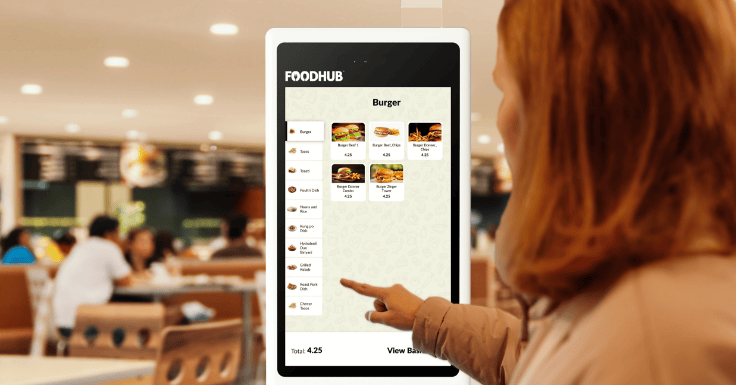
Kiosks are no longer reserved for global QSR brands. Adoption is accelerating across hospitality, driven by: staffing challenges, rising wage costs, and the need to serve quickly without sacrificing accuracy.
Within broader online ordering trends for restaurants, self-service kiosks are increasingly used to:
- Reduce queue congestion
- Increase throughput without increasing labour
- Minimise errors caused by miscommunication
- Drive upsell through consistent prompts and bundles
However, kiosks only create value when they integrate properly with your restaurant's POS system and kitchen workflows. Otherwise, they just become another device, another process, and another headache.
Automation only works when it actually simplifies operations.
Trend 5: Delivery Expectations Are Rising, and Loyalty is Lost on Execution
Delivery is no longer a novelty. It’s a baseline service. But customer expectations have grown alongside it. Across current online food ordering trends, customers now expect:
- Accurate etas
- Delivery tracking that actually works
- Reduced missing or incorrect items
- Proactive communication when delays happen
Operators are responding by tightening delivery workflows and improving visibility across dispatch and performance. This is where tools like a delivery management app become increasingly relevant, particularly for multi-site or high-volume operations where service issues can multiply quickly.
In 2026, delivery isn’t just about speed. It’s about reliability at scale, tracking, and transparent and timely delivery update notifications.
Trend 6: Customer Data Ownership is More Valuable Than Pure Reach
Customer acquisition is getting more expensive across every channel. As a result, retention is becoming the smarter long-term play.
One of the most commercially important online ordering trends for restaurants is the shift towards owning the customer relationship, not just facilitating the transaction.
Restaurants are investing in direct data to support:
- Repeat order incentives
- Segmented and personalised offers
- Loyalty and membership programmes
- Targeted messaging that actually converts
When customers order through your own channels, you gain control over communication, frequency, and lifetime value without paying repeatedly for the same customer.
This trend aligns closely with restaurant management app platforms, where ordering, customer insights, and marketing tools operate within a unified ecosystem.
Trend 7: Restaurants Are Consolidating Tech Stacks to Reduce Complexity
In 2026, operators aren’t chasing more tools. They’re chasing fewer, better-connected ones. Fragmented systems are expensive. Not just financially, but operationally.
Across evolving online food ordering trends, restaurants are actively simplifying their stacks because disconnected tools create:
- Delays during peak service
- Staff confusion and higher training overhead
- Inconsistent reporting
- Unclear accountability when something breaks
The most successful operators are moving towards connected platforms where ordering, POS, kitchen flow, delivery management, and reporting work together seamlessly.
Not five dashboards. Not five contracts. And definitely not five support teams pointing fingers at each other.
What Restaurants Should Prioritise in 2026: a Practical Checklist
Trends only matter if they translate into action. Based on current online food ordering trends, operators should prioritise:
1. Strengthen Direct Ordering Foundations
- Improve mobile performance on your restaurant website
- Reduce checkout friction
- Make delivery and service fees clear upfront
- Enable fast repeat ordering
2. Use Marketplaces Strategically
- Leverage them for reach and acquisition
- Encourage repeat customers to migrate to direct channels
- Protect margin through a thoughtful channel mix
3. Reduce Operational Complexity
- Ensure your restaurant POS system supports multi-channel ordering
- Eliminate separate queues and disconnected reporting
- Reduce screen switching for staff
4. Improve Delivery Visibility
- Tighten dispatch workflows and customer updates
- Use a delivery management app where appropriate
- Reduce complaints by improving timing and accuracy
5. Build Retention Through Customer Ownership
- Segment customers effectively
- Run loyalty and membership programmes
- Treat your customer database as a commercial asset
Closing Thoughts: The 2026 Advantage is Operational Simplicity
Online ordering will continue to grow. But the competitive edge in 2026 won’t be having an ordering link.
It will be about:
- Owning more of the direct customer relationship
- Delivering a fast, transparent ordering experience
- Connecting channels into one operational flow
- Removing friction that quietly erodes the margin
In a market where customer attention is short and operational pressure is high, restaurants that simplify their systems will move faster, serve better, and protect profitability more consistently.
Because convenience is no longer the differentiator. It’s the baseline.
And the restaurants that treat online ordering as a connected system, rather than a collection of tools, will be the ones still scaling while everyone else is busy troubleshooting their third tablet.
This is exactly where Foodhub for Business fits in.
By bringing direct ordering, POS, delivery management, customer data, and reporting into one connected platform, Foodhub for Business helps restaurants reduce complexity, regain control over margins, and build stronger direct customer relationships, without adding more operational noise.
If 2026 is the year you simplify your tech stack and future-proof your ordering strategy, partner with Foodhub for Business to get started.