Customers rarely think about payments when everything works smoothly. They tap their card, pay with their phone, complete an online order or settle the bill at the table, then carry on with their day.
For restaurants, cafes and takeaways, it is a much bigger deal.
A slow card machine, failed online payment or disconnected POS setup can create queues, delay orders and frustrate customers. That is why Restaurant Payment Processing is not just about accepting cards. It is about keeping service moving, protecting revenue and making checkout feel effortless.
This is especially important as the UK continues moving towards digital payments. One forecast estimates that the UK digital payments market will grow from USD 11.7 billion in 2025 to USD 43.7 billion by 2034, showing how quickly payment habits are expected to shift over the next decade.
For restaurant owners, the message is clear. Your payment setup needs to work for today’s customers and be ready for tomorrow’s.
What is Restaurant Payment Processing?
Restaurant Payment Processing is the system that allows a restaurant to accept and complete customer payments. It covers everything that happens between the moment a customer pays and the moment the money reaches your business account.
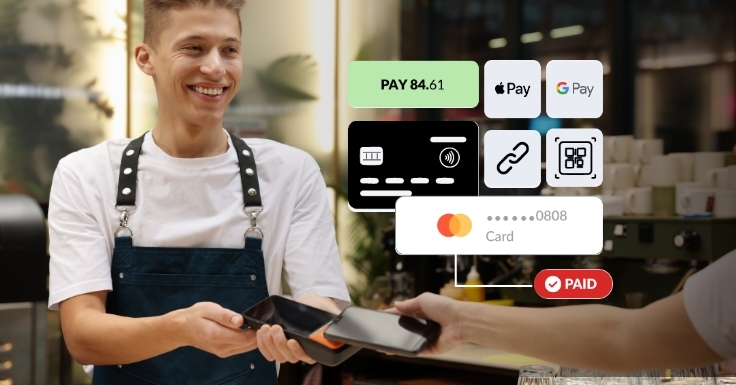
This can include payments made through:
- Card machines
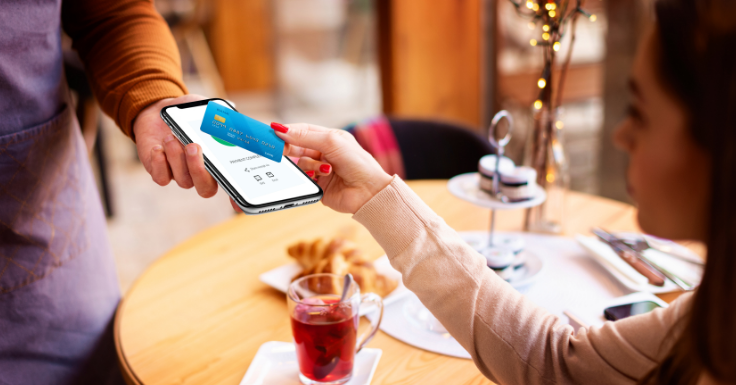
- Contactless cards
- Apple Pay and Google Pay
- Online ordering platforms
- QR code ordering
- Payment links
- Takeaway and delivery apps
- EPOS or POS systems
For example, when a customer taps their card after a meal, the payment processor securely checks the transaction, gets approval from the customer’s bank and helps move the funds into the restaurant’s account.
It all happens in seconds, but there is plenty going on behind the scenes.
Why Payment Processing Matters for Restaurants
Payments are part of the customer experience. A smooth checkout can leave customers feeling satisfied, while a clunky one can spoil an otherwise good visit.
Picture a busy Friday night. Tables are turning, takeaway orders are flying in, the kitchen is flat out, and then the card terminal starts playing up. Suddenly, staff are dealing with queues, delayed payments and annoyed customers. Proper nightmare.
Good restaurant payment solutions help restaurants avoid these problems by supporting faster transactions, cleaner reporting and smoother order management.
They also help owners understand where money is coming from, whether that is dine-in, takeaway, collection, delivery or online ordering.
In short, it is no longer enough to ask, “Can we take card?” The better question is, “Can our payment system keep up with the way we actually trade?”
How Restaurant Payment Processing Works
Restaurant payments may feel instant to the customer, but each transaction goes through a few important steps.
1. The customer makes a payment
The customer pays using a card, contactless payment, mobile wallet, online checkout or another accepted method. This could happen at the till, at the table, through a website or through an online ordering system.
2. The payment details are sent securely
The payment information is encrypted and sent to the payment processor. This step helps protect sensitive customer data and keeps the transaction secure.
3. The payment processor checks the transaction
The payment processor sends the request through the correct payment network, such as Visa or Mastercard. It checks whether the transaction can be processed and whether the payment details are valid.
4. The customer’s bank approves or declines the payment
The customer’s bank checks the account and decides whether to approve or decline the payment. If everything is fine, the payment is authorised.
5. The restaurant receives confirmation
Once approved, the restaurant gets confirmation that the payment has gone through. At this point, the POS, receipt printer, kitchen display or online ordering system may update the order status.
6. The funds are settled
The money does not always arrive instantly. Settlement usually happens after the transaction is cleared, depending on the provider and agreement. That is why restaurants should check both processing fees and settlement times before choosing a provider.
Types of Restaurant Payment Methods
Modern restaurants need to support more than one payment method. Customers expect choice, especially in the UK where digital payments are now part of everyday spending.
1. Card payments
Card payments include debit and credit card transactions made using chip and PIN or a card terminal. They remain essential for restaurants, cafes and takeaways because they are familiar, reliable and widely used.
2. Contactless payments
Contactless payments are quick, convenient and ideal for busy hospitality settings.
UK Finance has forecast that contactless debit and credit card payments will pass 25 billion transactions and account for around 45% of all UK payments by 2033. For restaurants, that makes contactless a basic expectation, not a fancy add-on.
It is especially useful for:
- Quick-service restaurants
- Cafes
- Takeaways
- Food trucks
- Lunch rushes
- High-volume counter service
The faster customers can pay, the easier it is to keep queues moving.
3. Mobile wallet payments
Mobile wallets include Apple Pay, Google Pay and other phone-based payment options.
Customers like them because they do not need to carry a physical card. They can pay with a phone or smartwatch, often using Face ID, fingerprint recognition or another secure approval method.
For restaurants, mobile wallet payments can make checkout feel faster and more convenient.
4. Online ordering payments
Online ordering payments are essential for takeaways, delivery-focused restaurants and click-and-collect services.
Customers expect online checkout to be quick, safe and simple. If the payment page feels slow or confusing, they may abandon the order. A strong payment setup should make online ordering easy for customers and simple for the restaurant to track.
5. QR code payments
QR code payments are often used for table ordering and pay-at-table experiences. Customers scan a code, view the menu, place their order, and pay from their phone.
This can reduce pressure on staff, but only if the system connects properly with the restaurant’s POS and kitchen workflow.
6. Cash payments
Cash still has a place, but it is becoming a smaller part of the payment mix.
Restaurants do not need to ignore cash completely, as some customers still prefer it. However, businesses that rely too heavily on cash may struggle to match changing customer habits.
Common Restaurant Payment Processing Fees
Payment processing comes with costs, so restaurant owners should understand the full picture before choosing a provider.
Fee type | What it means |
Transaction fees | A charge taken from each card or digital payment |
Monthly fees | A regular fee for using the payment service or software |
Payment gateway fees | A fee for processing online payments |
Terminal rental fees | A cost for renting card machines or payment devices |
Chargeback fees | A fee that may apply when a customer disputes a payment |
Setup fees | One-off costs for installation or onboarding |
PCI compliance fees | Fees linked to payment security and compliance requirements |
A provider may look affordable at first, but the total cost can rise once terminal rental, gateway fees, chargebacks, and support charges are added.
The best restaurant payment solutions should make pricing clear, so owners know exactly what they are paying for.
Signs your current payment setup is slowing your restaurant down
A payment system does not need to completely break to cause trouble. Sometimes, it just quietly makes service harder.
1. Payments take too long during busy hours
If staff are waiting for terminals to connect or customers are stuck at the till, your payment setup may be slowing service.
In hospitality, even small delays can build up quickly.
2. Online payments do not sync with your POS
If online and in-store payments sit in separate systems, reporting becomes messy.
You may need to check multiple dashboards, match orders manually or spend extra time figuring out where sales came from.
3. You are paying too many hidden fees
Unclear pricing makes it harder to control costs.
If your provider has surprise charges or confusing statements, it may be time to review the setup.
4. Reporting is confusing or incomplete
Good reporting should show what was paid, when it was paid, how it was paid, and which sales channel it came from.
If your reports are hard to understand, spotting trends and errors becomes much harder.
5. Customers have limited ways to pay
If your restaurant only accepts basic card payments, you may frustrate customers who prefer mobile wallets, online payments or pay-at-table options.
Payment choice matters because convenience is now part of the dining experience.
6. Refunds and chargebacks are difficult to manage
Refunds, failed payments, and chargebacks are part of running a restaurant.
If your system makes them difficult to track, it can waste staff time and create confusion for customers.
What to Look for in Restaurant Payment Solutions
Choosing the right payment provider is not only about finding the lowest transaction fee. It is about choosing a system that fits how your restaurant operates.
1. Fast and reliable transactions
Your payment system should handle busy periods without freezing, lagging, or dropping connections. Speed matters most when the restaurant is packed and staff is under pressure.
2. POS integration
Your payment system should connect with your POS, so orders and payments match automatically. This helps reduce manual errors and makes end-of-day reconciliation easier.
3. Online ordering payment support
If your restaurant takes online orders, your payment setup should support secure online checkout and clear payment tracking. This helps both the customer and the restaurant avoid confusion.
4. Multiple payment options
Customers should be able to pay in the way that suits them.
5. Clear pricing
Do not just look at the headline transaction rate. Check the full cost, including monthly fees, card machine rental, gateway fees, refund fees and chargeback fees. A reliable provider should be upfront about these costs.
6. Security and compliance
Payment security is non-negotiable. Your provider should help protect customer payment data and support secure transactions. Customers need to feel confident that their details are safe.
7. Easy reporting
Good reporting helps restaurant owners understand sales across dine-in, takeaway, delivery and online ordering. It should be simple to see how payments are performing across different channels.
8. Support during trading hours
Restaurants do not only operate during office hours. If something goes wrong on a Friday night, you need support that understands hospitality, not a delayed response days later.
Restaurant Payment Processing and online ordering
Online ordering has changed how restaurants take payments.
A customer might order from your website, pay online, collect from the restaurant, or request delivery. That payment then needs to connect with the order, the kitchen, and your reporting.
If online payment processing is separate from your POS, staff may need to manually check payments, confirm orders, or match sales later.
A connected setup helps reduce:
- Manual admin
- Payment errors
- Delayed order confirmation
- Refund confusion
- Messy sales reports
With the UK digital payments market expected to grow strongly between 2025 and 2034, restaurants that still treat online payments as an afterthought may find themselves playing catch-up.
How better payment processing improves customer experience
Customers may not notice great payment processing, but they definitely notice when it goes wrong.
A good setup makes payment feel quick, secure, and easy. Whether someone is paying at the table, collecting a takeaway, or placing an order online, the experience should feel simple.
Better Restaurant Payment Processing can help restaurants:
- Reduce checkout delays
- Support preferred payment methods
- Avoid failed payment frustration
- Improve online order confidence
- Give staff more time to focus on service
For customers, that means less waiting around. For restaurants, it means a smoother operation and fewer awkward “sorry, the machine’s not working” moments.
How to Choose the Right Restaurant Payment Solution
Before choosing a provider, restaurant owners should think beyond the transaction fee. The system needs to fit real service conditions, from quiet weekday lunches to Saturday night madness.
Ask questions such as:
- Does it connect with your POS?
- Can it support dine-in, takeaway, delivery and online ordering?
- Are contactless and mobile wallet payments included?
- How quickly are funds settled?
- What are the full monthly costs?
- Are payment gateway fees included?
- Is support available during restaurant trading hours?
- Can you track sales in one place?
- Are refunds and chargebacks easy to manage?
- Can the system grow with your business?
The right restaurant payment solutions should make operations easier, not add another headache to the list.
Future of restaurant payments in the UK
Restaurant payments are becoming faster, more digital and more connected.
For restaurants, this points to one clear need: flexibility.
A future-ready payment setup should support in-person payments, online ordering, mobile wallets, connected reporting, and secure processing.
In other words, your payment system should not just work today. It should be ready for what customers expect next.
Final thoughts
Restaurant Payment Processing might sound technical, but for restaurant owners, it comes down to something simple: can customers pay quickly, securely and without hassle?
If the answer is no, your payment setup could be slowing down service, frustrating customers and making admin harder than it needs to be.
As digital payments grow, contactless becomes more common and cash usage declines, restaurants need systems that can keep up with customer expectations.
The right restaurant payment solutions should connect with your POS, support online ordering, offer clear pricing and make everyday service smoother.
With Foodhub for Business, restaurants and takeaways can explore payment, POS and online ordering solutions built around real hospitality needs.
Ready to make payments simpler for your restaurant? Book a free demo with Foodhub for Business and start your free trial today.