.jpeg)
Google might not be the newest kid on the block, but it’s still the one that matters most. Even as diners turn to TikTok for recommendations and AI tools like ChatGPT for travel plans, Google remains the first stop for hungry customers. Here's how to help people find you.
Google is still king. It might sound surprising to even have to clarify that, but in a world where diners are increasingly turning to TikTok to find their next date night eaterie and ChatGPT to suggest their travel itinerary, you might be forgiven for wondering if Google is still as important as it ever was.
Well, of course it is.
And according to research, a whopping 62% of diners are using Google to discover new places to eat. That figure might be slowly toppling to other search methods, but Google is still essential.
What Does a 'Good Ranking' on Google Actually Mean?
For busy restaurant owners, it can feel overwhelming to know where to begin or where to focus your attention. Marketing your restaurant can feel, at times, like a black hole; there's a lot of effort going in, yet the results aren't always obvious, and certainly aren't always instantaneous.
Which is why we've compiled only the top priorities you must get right to rank on the first page for locals searching for food like yours.
1. Claim and Optimise Your Google Business Profile
If you do one thing today, do this. Your Google Business Profile is the epicenter of local SEO. Make sure your listing is:
- Claimed and verified
- Complete with accurate name, address, and phone number
- Using photos, menus, hours, and attributes (like “family-friendly” or “vegan options”)
- Updated regularly with posts and reviews
Of course, claiming that profile isn't always easy. If you already have it, and have forgotten the login to the email that allowed you to access, there are ways you can recall that information. Likewise, if you didn't set up the Google Business Profile and someone else did, you can claim it back, but it takes a little patience - Google has a handy guide here.
2. Get More (and Better) Reviews
It is a common misconception that people are more likely to review you if they have negative feedback. Various academic studies debunk this, broadly showing that it is just that negative reviews tend to pack a bigger punch. Reviews also tend to cluster at the extremes.
The same research shows that people with very strong positive or negative experiences are more motivated to write a review than those with so-so experiences.
That presents you, and other business owners, with a bit of a problem. So, how to mitigate polarising reviews of your restaurant or takeout?
- Set up a feedback loop. Encourage happy customers to leave a review. Use push notifications or emails to prompt feedback.
- Respond professionally to both good and bad feedback. Don't get hung up on the detail. If a bad review does go into excruciating detail, address the review in general publicly, then respond in detail privately if you can. Avoid long, drawn-out arguments online, for example, on Facebook posts. Get them offline as soon as you can.
- This should go without saying, but if that excruciating detail does include constructive feedback, such as food being packaged poorly or arriving cold, then you should investigate what happened. Mistakes do happen, but don't let them become a problem.
Pro Tip: Top 5 Ways Positive Google Reviews Drive Success for Restaurants
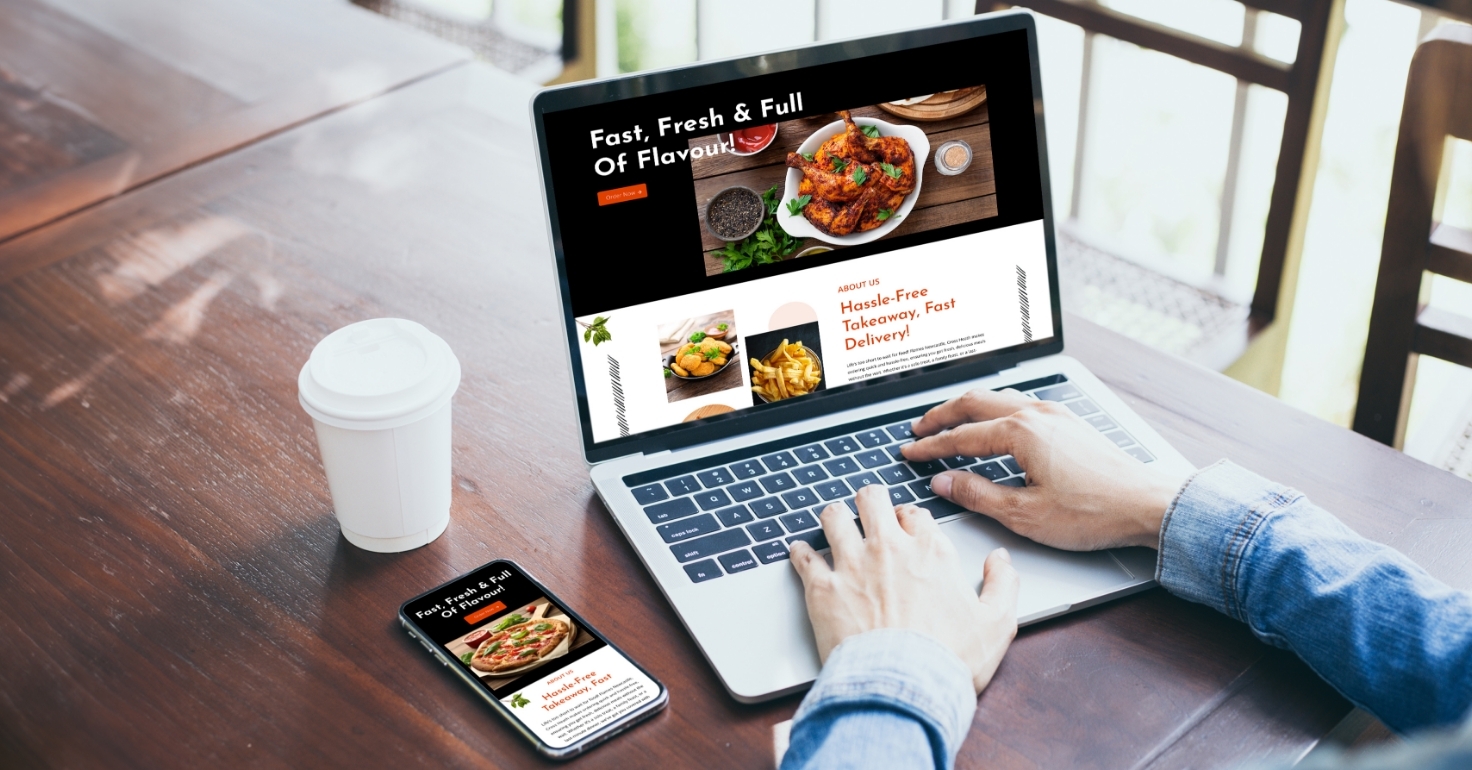
3. Optimise Your Website for Local Search
.jpeg)
Even if most traffic comes through your Google profile, your website helps Google verify legitimacy.
- Use local keywords (e.g., “Curry takeout in Bolton”)
- Include your address and map
- Create location-specific pages if you have multiple sites
- Ensure your site loads fast and is mobile-friendly
4. Build Local Links and Citations
Google looks at where your business is mentioned. That's how it knows you're important. So you must make sure you:
- List your restaurant on local directories (Yelp, TripAdvisor, OpenTable, etc.)
- Get mentions from local blogs or news outlets - this is easier than you think. You could sponsor a local event, which means you can sometimes get a backlink on the news article. You could also invite local bloggers to taste and review your food on their blogs and social media.
- Sponsor local events or charities (these also often come with a backlink)
5. Post Fresh Content Regularly
Google loves fresh, relevant content - has (almost) since its inception. You can't fight that kind of hunger; you just have to feed it. Aim to publish at least one blog post a month, but even better, once a week. That could just share your new menu item or highlight a dish for the week. It could extend into a season special, or highlight any offers you've got on. Use those words for your email newsletter and your push notifications so you're tripling your output with minimal effort.
You can also post about local events, or community involvement. If you're sponsoring a local charity, make sure you've blogged about it. If a blogger writes about you, share that blog on your own blog post.
Finally, and this might require some technical expertise, though most content management systems make this easy - make sure you've embedded Google Maps and set up structured data for menus and reviews. Structured data, which involves pasting code into the backend of your website, might require you to have some support.
Foodhub for Business has a website team that handles all of this for you as part of the ongoing support package attached to launching a website with us - so if you'd like more information, get in contact here.
6. Track Your Performance
There are a few ways you might be able to tell if your site is now ranking well locally, but for the keen-eyed analytics geeks among you, you can use Google Search Console and Google Analytics to track just how well you're doing. These tools can show you:
- What keywords bring people to your site
- How people find your listing (through emails, social media, or paid advertising, for example)
- Which content drives conversions (a conversion could be calling your takeout or ordering online)
Tracking performance is a little trickier, but for those of you wanting to step it up a gear, Google has a free resource teaching you to DIY. If that doesn't appeal, you can always reach out to our team for support, too.
Would you like to launch or optimise your website for search engines? Contact the Foodhub team for support today.
Why Local SEO is Worth It
Ranking high on Google isn’t just about bragging rights. It’s about visibility, credibility, and conversions. When locals search “best sushi near me,” you want to be the one they see — and trust.
Get Found, Get Chosen
Local SEO isn’t just about showing up — it’s about standing out. Every optimised listing, review reply, and blog post helps Google (and your customers) see your business as active, credible, and trustworthy. By keeping your information accurate, posting regularly, and staying engaged with your audience, you’ll turn local searches into loyal customers.
Ready to rise to the top of Google’s local results? Partner with Foodhub to book a demo, connect with our team, or explore more of our expert guides on boosting your restaurant’s visibility online.
.jpg)