Stand near the counter of any busy quick-service restaurant for five minutes, and you’ll see the same thing. Someone is studying the menu like it’s a final exam, a queue forming behind them, and staff trying to keep orders moving at speed.
It’s not exactly the most relaxing way to order food.
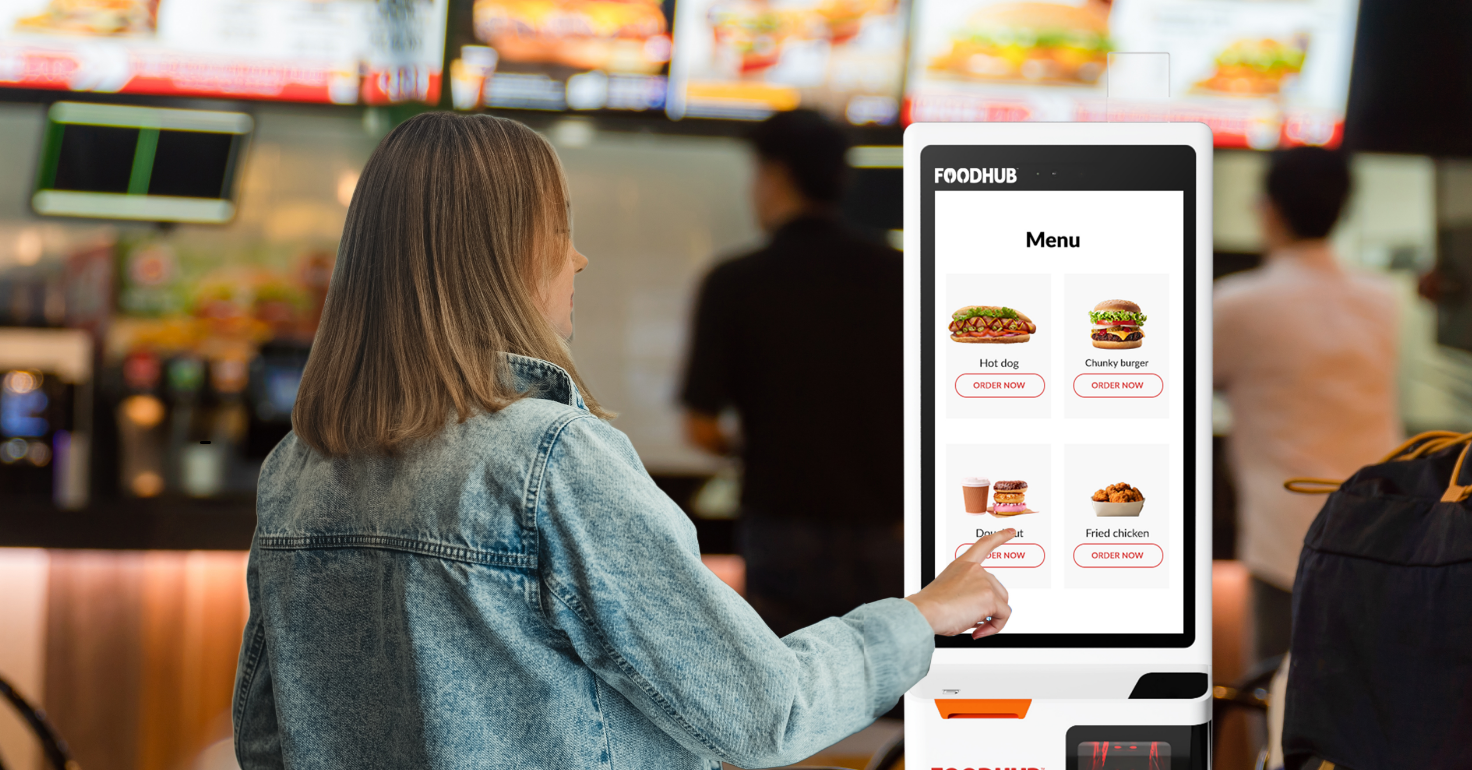
That’s why more QSRs are introducing an ordering kiosk. Instead of waiting at the counter, customers simply walk up to a screen, browse the menu, and place their order themselves.
For many restaurants in 2026, installing a self-ordering kiosk for restaurants is becoming less of a trend and more of a practical solution to everyday service challenges.
What is a Self Ordering Kiosk?
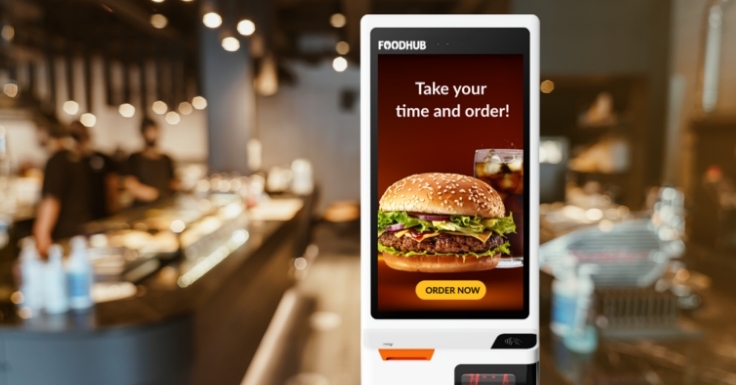
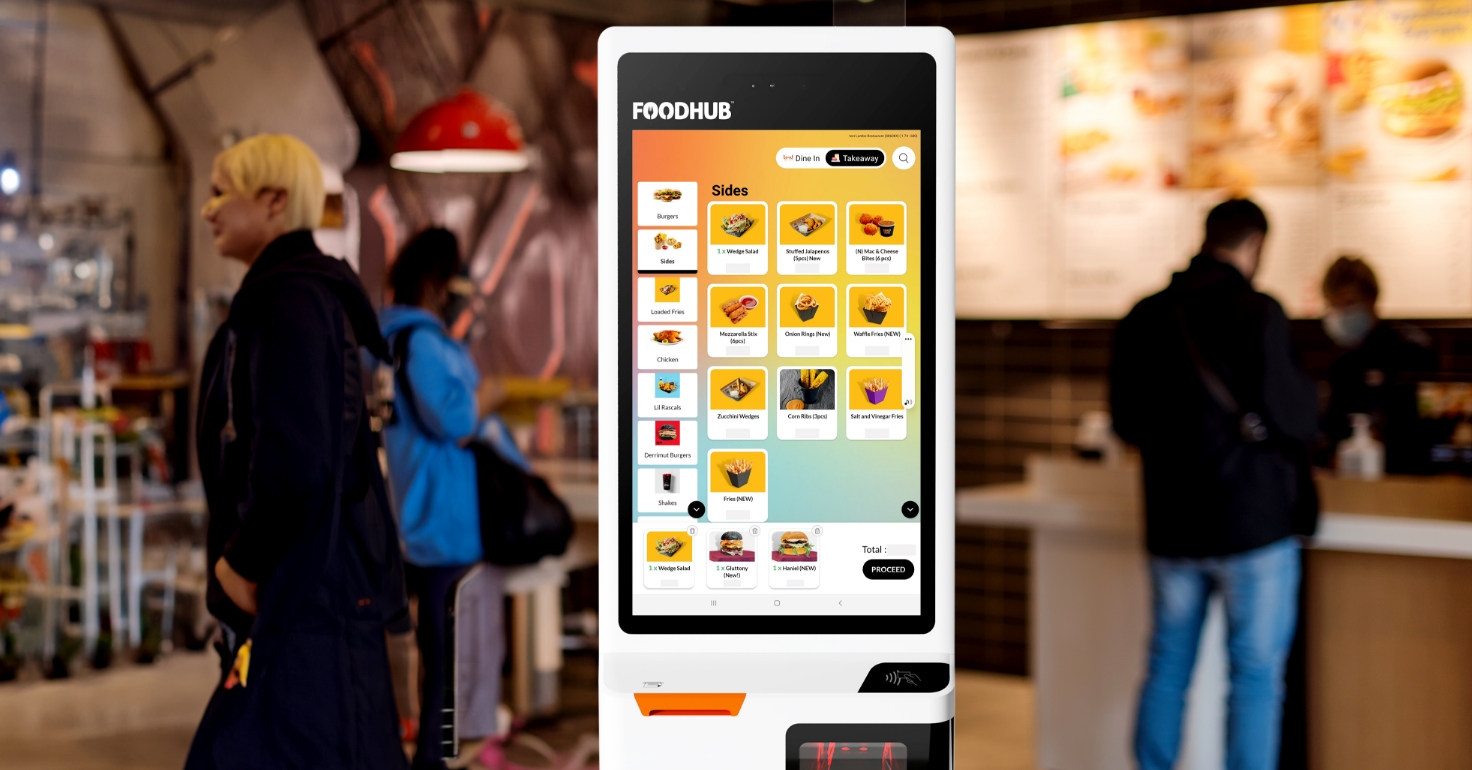
A self ordering kiosk for restaurants is a touchscreen station where customers can view the menu, customise their meal, and complete payment without needing to order at the counter.
You’ll usually see these kiosks placed near the entrance or ordering area so customers can start ordering as soon as they walk in.
A typical ordering kiosk allows customers to:
- Browse the full menu with images
- Customise ingredients or portion sizes
- Add extras or sides easily
- Pay using a card or contactless methods
- Send the order straight to the kitchen
For customers, it feels familiar. Touchscreen ordering is already common in cinemas, supermarkets, and airports, so the learning curve is basically zero.
Why QSRs Are Turning to Ordering Kiosks
Speed is everything in the quick-service world. The faster customers can order and move through the system, the smoother the entire operation becomes.
Traditional counter ordering can slow things down during busy periods. One customer taking a bit too long to decide can quickly hold up the whole line.
Introducing an ordering kiosk helps restaurants deal with that pressure.
Many QSRs notice improvements such as shorter queues during peak hours, faster order processing, reduced order mistakes, and less pressure on counter staff.
Instead of removing jobs, the self-ordering kiosk for restaurants simply shifts staff focus to where they are needed most, preparing food and assisting customers.
Customers Often Prefer Ordering This Way
One interesting thing restaurants discover after installing kiosks is how quickly customers start using them. Many diners like having a moment to browse the menu without feeling rushed.
A touchscreen gives them the freedom to explore options at their own pace.
Customer Experience with Kiosks | What It Means in Practice |
Take their time choosing dishes | No pressure from queues or staff waiting |
Customise orders easily | Add/remove ingredients without confusion |
Avoid standing in queues | Faster entry into the ordering process |
Review the order before confirming | Fewer mistakes and better accuracy |
For younger diners especially, this way of ordering feels completely normal.
Kiosks Encourage Bigger Orders
Here’s a practical benefit restaurant owners quickly notice.
When staff take orders during busy periods, upselling is difficult. Nobody wants to keep the queue waiting while suggesting extra sides or upgrades.
A digital ordering kiosk handles this automatically. The screen can suggest items like:
- Add extra toppings
- Upgrade to larger meal sizes
- Include drinks or desserts
- Try popular combo meals
Because customers see these options clearly on the screen, they’re more likely to add something extra to their order.
Helping Staff Focus on Service
Hospitality teams often deal with staff shortages and busy service hours, where every extra pair of hands truly matters.
A self-ordering kiosk for restaurants helps reduce the reliance on staff at the counter, allowing them to shift their focus more effectively.
Instead of constantly taking orders, teams can concentrate on preparing food quickly, keeping service areas organised, and assisting customers when needed. The result is a smoother, more efficient workflow for the entire team.
When Kiosks Work Best
The biggest impact usually happens when the ordering kiosk connects with other restaurant systems.
When integrated with POS and kitchen systems, the process becomes almost automatic. Orders move directly from the kiosk to the kitchen, and payments are processed instantly.
This type of setup allows restaurants to:
- Keep orders organised during busy periods
- Track sales data in real time
- Update menus quickly
- Maintain accurate order flow
In other words, the technology works quietly in the background while the team focuses on serving customers.
Final Thoughts
Quick-service restaurants rely on speed, accuracy, and efficiency. As customer expectations continue to evolve, the tools used to manage orders need to evolve as well.
A well-placed ordering kiosk helps reduce queues, improve order accuracy, and create a smoother experience for both customers and staff. For many operators, the self-ordering kiosk for restaurants is quickly becoming an essential part of modern service.
Foodhub for Business offers integrated restaurant technology, including self-ordering kiosks, EPOS systems, online ordering platforms, payment solutions, QR ordering, and system integrations designed to support modern food businesses.
Book your free demo and see how the right ordering kiosk can help your restaurant serve customers faster and run more efficiently.