Reduce Takeout Management Complexity With Your POS System
A takeout POS system is a specialized digital platform that manages every aspect of orders intended for consumption away from the restaurant. It integrates software and hardware to unify sales from walk-ins, phone calls, and various online ordering platforms into one central dashboard.
Managing a restaurant today is significantly more difficult than it was even five years ago. According to the National Restaurant Association, nearly 60% of consumers order delivery or takeout at least once a week. This massive shift in consumer behavior has left many restaurant operators struggling to manage a surge in off-premises volume without the right tools.
If your kitchen feels chaotic and your counter is covered in multiple tablets, you are likely losing money to operational inefficiency. You deserve a streamlined process that allows your staff to focus on food quality rather than technical troubleshooting. A unified system can turn that chaos into a smooth, profitable operation that keeps guests coming back.
The right technology doesn't just record sales; it orchestrates your entire business. By centralizing your workflow, you can reduce errors, lower labor costs, and significantly increase your profit margins.
Let’s dive right in to how the right POS system can reduce takeout management complexity and bring order back to your operation.
Why Takeout Gets Complicated Fast
Takeout operations become complex because orders now originate from a wide variety of disconnected sources. In the past, a restaurant only had to manage a single phone line and a front counter.
Today, orders flow in from third-party delivery apps, your branded website, mobile apps, and walk-in customers simultaneously. Without a takeout POS system to consolidate these channels, your staff must act as manual data entry clerks.
1. The Problem of Manual Order Re-Keying
When an order arrives on a third-party tablet, a staff member usually has to type it into the main register manually. This process is slow and highly prone to human error, especially during a busy lunch or dinner rush.
A single typo in a modifier or a missed special request leads to an incorrect meal. This results in food waste, customer dissatisfaction, and the need for costly remakes.
2. Inconsistent Ticket Formats in the Kitchen
Different ordering platforms often generate tickets in varying formats. If your kitchen staff has to read five different styles of receipts, their speed will naturally decrease.
Inconsistent tickets make it harder for the expo to verify the accuracy of the order before it goes out. This fragmentation is a primary driver of operational stress for kitchen workers.
3. The Multi-Dashboard Struggle
Restaurant managers often find themselves switching between different tablets and printers to track their business performance. This makes it almost impossible to see a real-time view of total sales or inventory levels.
When your data is scattered, you cannot make informed decisions about staffing or menu adjustments. This lack of visibility is a major trap that prevents independent restaurants from scaling effectively.
The Most Common “Complexity Traps” in Takeout Operations
Many restaurants fall into traps that make their daily operations feel much harder than they need to be. Recognizing these issues is the first step toward implementing better restaurant operations software.
1. The Tablet Wall Frustration
The most common trap is the "wall of tablets," where each delivery service has its own dedicated device. These tablets take up valuable counter space and require constant monitoring by your staff.
If a tablet notification is missed during a rush, the order might sit unaccepted for several minutes. This leads to frustrated delivery drivers and hungry customers who will likely leave negative reviews.
2. Out-of-Sync Menu Updates
If you run out of a specific ingredient, you must manually update the menu on every single platform you use. If you forget to update even one app, a customer might order an item you can no longer provide.
This leads to uncomfortable "sorry, we're out" phone calls and the need for transaction voids. It is an avoidable friction point that damages the guest experience and your brand reputation.
3. Reporting and Financial Fragmentation
When your sales data is split across multiple systems, end-of-day reconciliation becomes a nightmare. You might have to manually add up totals from four different sources to see your actual revenue.
This process is not only time-consuming but also creates opportunities for accounting errors. Without a single source of truth, tracking your actual profitability per channel is nearly impossible.
How a Takeout POS System Simplifies Order Flow End-to-End
A modern point-of-sale solution acts as the central nervous system of your restaurant. It creates a standardized path for every order, regardless of where it started.
1. One Hub for All Order Types
A dedicated takeout POS system pulls every transaction into a single interface. Your staff no longer needs to jump between devices to accept or modify an order.
This centralization allows for much faster training of new employees. They only need to learn one interface to manage the entire restaurant operation.
2. Standardized Kitchen Communication
Whether an order is a walk-in or a digital request, it should look identical to the kitchen staff. A unified system sends standardized tickets to your printers or kitchen display system (KDS).
Consistency in ticket design allows chefs to process orders with much greater speed. It also reduces the mental load on your kitchen team, leading to a calmer work environment.
3. Reducing Handoff Errors
By reducing the number of manual steps, you significantly decrease the chance of an order getting lost. The system tracks the order from the moment it is received to the moment it is handed to the customer.
This end-to-end tracking provides a clear audit trail for every transaction. If a problem occurs, you can quickly identify where the breakdown happened and fix it for the future.
How the Right POS System Improves Inventory Control and Decision-Making
A modern POS system does more than manage orders; it gives restaurant managers real-time visibility into inventory levels. With integrated restaurant inventory management, every menu item sold automatically updates food inventory counts. This reduces food waste and prevents out-of-stock menu items that hurt customer satisfaction.
Cloud-based POS and mobile POS systems allow restaurant operators to monitor inventory tracking from anywhere. Whether you are on the floor or off-site, you can see which items are selling fastest and which ingredients need reordering. This flexibility is a major advantage over traditional POS systems that lock data behind a single terminal.
Accurate inventory data also improves menu management and purchasing decisions. When inventory and order management are connected, you can adjust menus based on demand and customer preferences. Over time, this leads to better operational efficiency and a more consistent customer experience.
By combining inventory management with POS integration, restaurants gain a clearer picture of their entire operation. Sales trends, inventory usage, and customer data live in one system instead of separate tools. This centralized insight helps restaurant operators plan smarter and scale with confidence.
Online Ordering POS Integration: The Key to Less Chaos
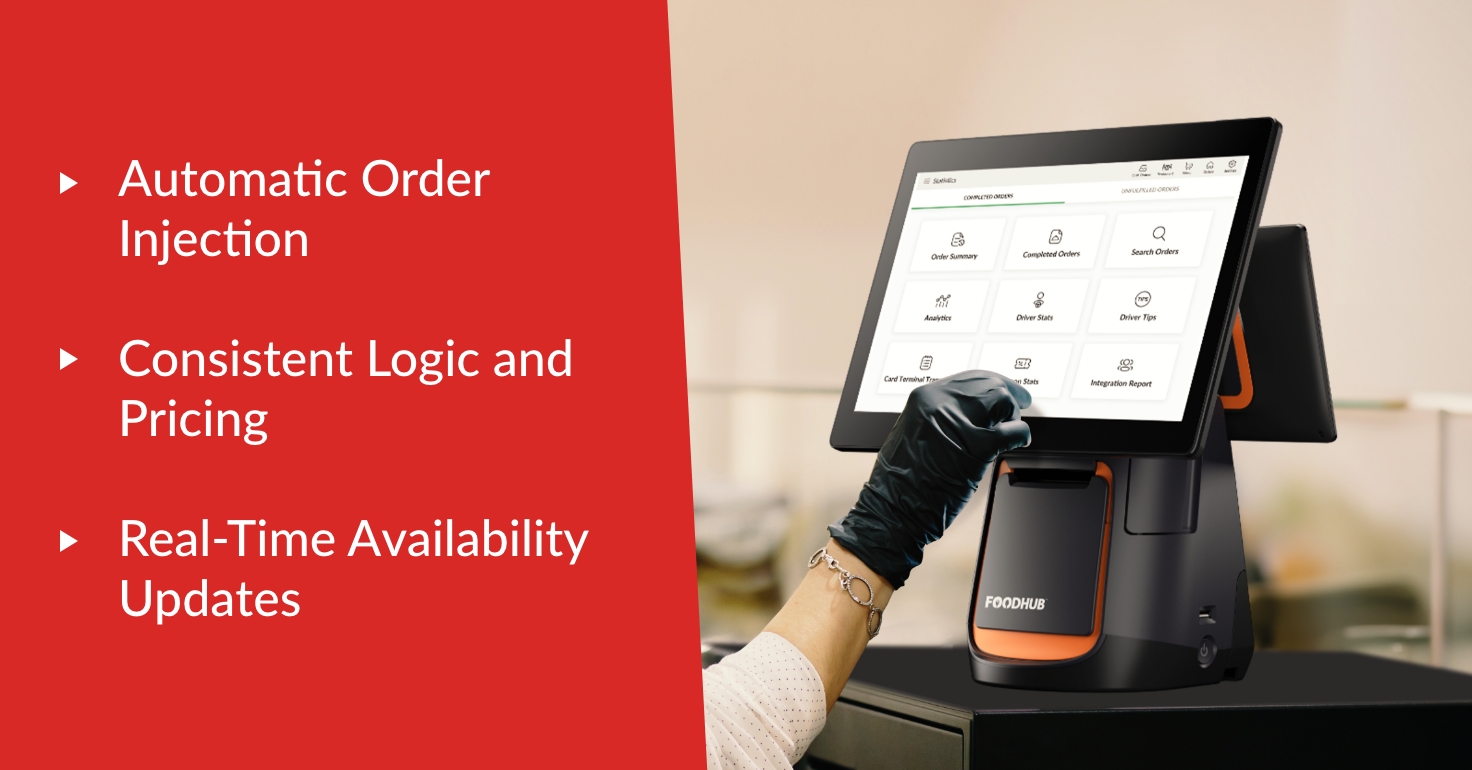
The most powerful feature of a modern POS system is its ability to communicate directly with digital ordering platforms. This online ordering POS integration is what eliminates the need for manual data entry.
1. Automatic Order Injection
When a customer places an order on your website, the data should flow directly into your kitchen printers. There is no middleman and no need for re-keying by your front-of-house staff.
This automation saves several minutes per order, which adds up to hours of saved labor every week. It allows your counter staff to focus on serving the customers who are standing in front of them.
2. Consistent Logic and Pricing
An integrated system ensures that your modifiers, taxes, and pricing rules are identical across all channels. You don't have to worry about a discount being applied correctly on one app but not another.
This consistency protects your margins and ensures that your financial reporting is accurate from the start. It also prevents customer confusion regarding different prices on different platforms.
3. Real-Time Availability Updates
When an item is marked as unavailable in your POS, it should instantly disappear from your online ordering menu. This real-time synchronization prevents customers from ordering items that are out of stock.
Reducing these order issues is one of the fastest ways to improve customer satisfaction. It also creates a more professional and reliable experience for your guests.
Restaurant POS Integration That Removes Extra Steps
Beyond just taking orders, your system should connect to other vital parts of your business. A deep restaurant POS integration helps automate the back-office work that often eats up a manager's time.
1. Delivery Aggregator Connections
Aggregators allow you to manage multiple third-party delivery services through a single feed. When this is integrated with your POS, you can turn services on or off with a single tap.
This simplifies your counter setup and ensures that all your delivery revenue is tracked in one place. It is a critical feature for any restaurant looking to maximize its off-premises sales.
2. Kitchen Display System (KDS) Routing
A KDS replaces messy paper tickets with digital screens that are easier to read and track. You can route specific items to different stations, such as the grill, the salad bar, or the prep line.
This routing ensures that the right people get the right information at the right time. It also provides data on how long each station takes to complete its portion of the order.
3. Accounting and Payroll Synchronization
Manual data entry into accounting software like QuickBooks or Xero is a common source of stress. Modern systems can automatically push your daily sales data into your accounting software.
This ensures that your books are always up to date and reduces the cost of professional bookkeeping. It also gives you a clearer view of your cash flow in real time.
What to Look for in a Restaurant Order Management System
Choosing the right restaurant order management system requires looking beyond basic features. You need a solution that can handle the high-pressure environment of a busy takeout operation.
1. Centralized Multi-Channel Dashboard
The dashboard should provide a high-level view of every active order in your system. You should be able to see which orders are new, which are being prepped, and which are ready for pickup.
This visibility allows you to identify bottlenecks before they become a problem. It ensures that your manager always has a clear pulse on the restaurant's performance.
2. Order Throttling and Prep Time Controls
During extreme peak periods, your kitchen can sometimes become overwhelmed. A good system allows you to "throttle" orders or increase prep times to slow down the incoming flow.
This prevents your staff from burning out and ensures that you don't overpromise on delivery times. Managing customer expectations is vital for maintaining long-term loyalty.
3. Cross-Platform Menu Syncing
You shouldn't have to log into five different websites to change the price of a burger. Look for a system that allows you to manage your entire digital presence from a single menu editor.
This saves hours of administrative time and ensures that your brand information is consistent everywhere. It is a hallmark of a truly modern restaurant technology stack.
Practical Ways to Reduce Takeout Complexity With Better Workflows
Technology is only half of the solution; you also need clear physical processes. Even the best POS system for takeout orders needs a well-organized environment to be effective.
1. Standardize the Staging and Pickup Area
Designate a specific area of your restaurant for orders that are ready for pickup. Keep these bags separate from your dine-in service to avoid congestion at the front counter.
Using clearly labeled shelves or cubbies helps customers and delivery drivers find their food quickly. The less time people spend searching for their bags, the smoother your operation will be.
2. The Dedicated Takeout Expeditor Role
During busy shifts, assign one person to be the "staff" for takeout orders. This person is responsible for checking the contents of every bag against the standardized POS ticket.
They ensure that sauces, utensils, and drinks are included before the bag is sealed. This final check is the best defense against the "missing item" complaints that lead to refunds.
3. Use Packaging Checklists
Create a standard checklist for how different types of meals should be packaged. This ensures that hot and cold items are separated and that containers are properly vented to prevent sogginess.
Consistency in packaging reflects the quality of your brand. It shows the customer that you care about their meal even after it leaves your kitchen.
How to Measure Whether Your Takeout POS System Is Working
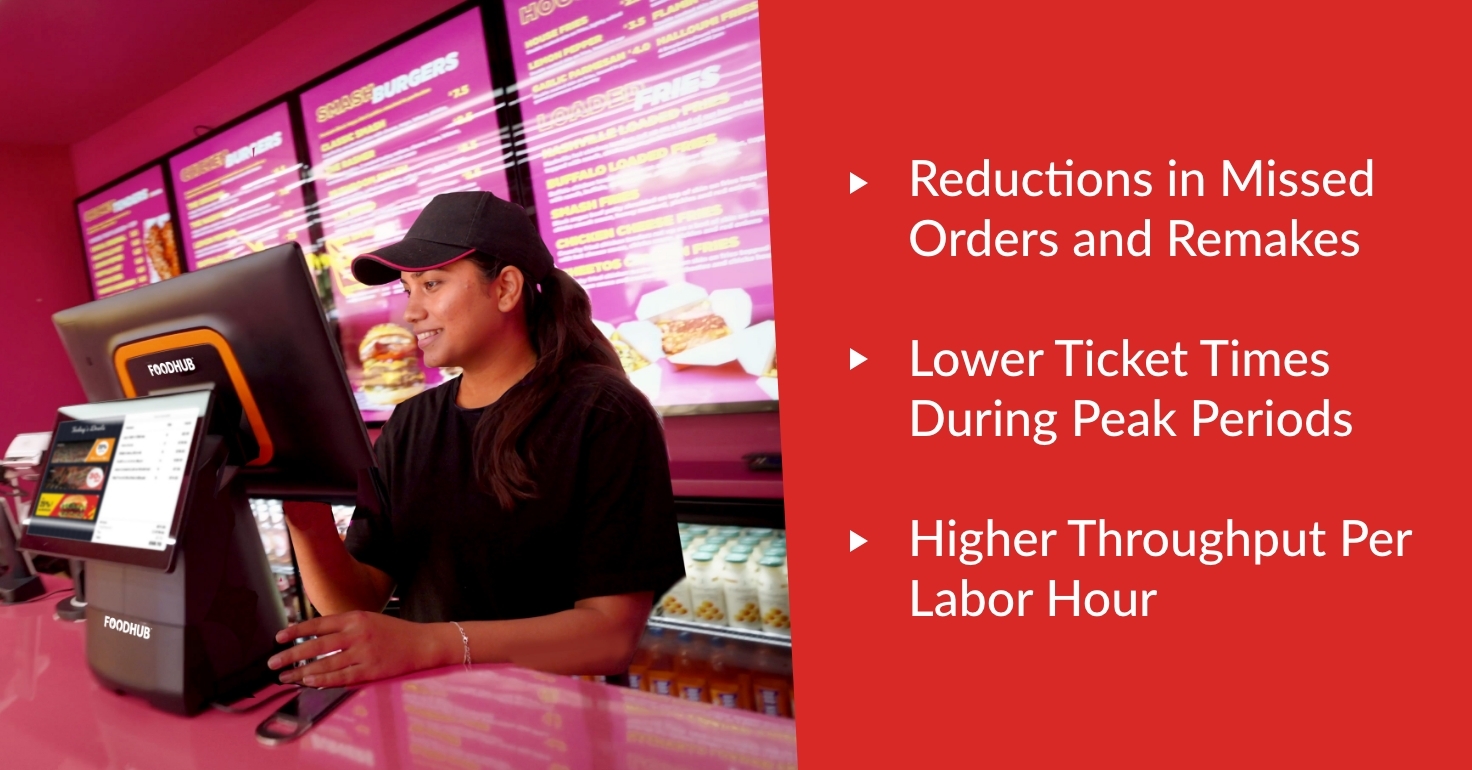
To justify your investment in technology, you must track specific performance metrics. A successful takeout POS system should lead to measurable improvements in your bottom line.
1. Reductions in Missed Orders and Remakes
Compare your refund and remake rates before and after implementing your new system. You should see a significant decrease as manual entry errors are eliminated.
Fewer remakes mean lower food waste and higher overall profitability. This is one of the most immediate financial benefits of a unified order management system.
2. Lower Ticket Times During Peak Periods
Track the average time it takes for an order to go from "received" to "ready for pickup." Automated order injection should lead to much faster turnaround times.
Faster service allows you to handle more orders with the same amount of kitchen equipment. It increases your "throughput," which is the key to maximizing revenue during busy hours.
3. Higher Throughput Per Labor Hour
A more efficient system allows your staff to handle more work without feeling overwhelmed. You may find that you can process a higher volume of orders with the same number of employees.
This improvement in labor efficiency is a massive competitive advantage. It allows you to grow your business without a linear increase in your operating costs.
Simplify Your Operations for Long-Term Growth
Reducing the complexity of your takeout management is essential for survival in the modern food industry. While the move toward digital ordering offers huge growth potential, it also introduces significant operational challenges. By implementing a unified takeout POS system, you can eliminate the manual tasks that lead to errors and stress.
The ultimate goal of your technology stack should be to make your restaurant easier to run. When your systems are integrated, your staff can spend more time on hospitality and food quality. This focus on excellence is what builds a loyal customer base and a sustainable business model.
At Foodhub for Business, we are committed to making the food industry simple. Our global technology platform provides all-in-one solutions that include POS, online ordering, and delivery management. We help you connect with your customers through smart technology that streamlines your operations.
Ready to take the stress out of your takeout management and see your margins grow? Book a demo with Foodhub today to learn how our integrated restaurant technology can transform your business.