Managing several delivery orders at once can quickly become chaotic.
Orders may arrive through your website, mobile app, telephone, and third-party platforms. Drivers need jobs, customers want updates, and staff must make sure every order leaves on time with the correct address and items.
The best way to manage this is with a food delivery management system that connects orders, drivers, and delivery progress in one place. The right software can help restaurants assign jobs, track drivers, and respond to delays without relying on handwritten notes or constant phone calls.
Why is Managing Multiple Delivery Orders Difficult?
Delivery management involves more than handing an order to a driver.
Each delivery must be prepared, packed, assigned, and completed within the expected timeframe. Staff also need to consider driver availability, customer location, traffic, cooking time, and other active orders.
Without a structured system, orders may be assigned to the wrong driver, routes may overlap, and food may sit waiting for collection. Staff can also lose visibility once a driver leaves the restaurant, which often leads to customers calling for updates.
One delayed collection can affect the rest of the shift, resulting in cold food, unhappy customers and extra pressure on the team.
What is a Food Delivery Management System?
A food delivery management system is software that helps restaurants control the delivery process from order acceptance to customer handover.
It keeps important information in one place, including order details, delivery addresses, assigned drivers, delivery status, and completion times.
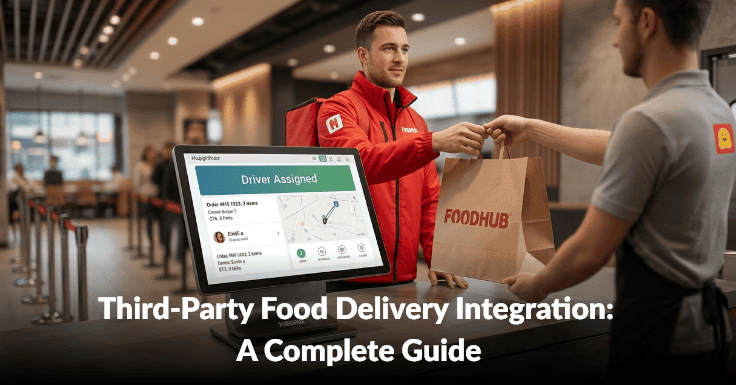
The system can work alongside a restaurant’s ordering platform or EPOS setup. Orders can be assigned to drivers, sent to their mobile devices, and tracked while they are out for delivery.
For restaurants and takeaways handling growing order volumes, this creates a clearer and more organised delivery process.
How Should Restaurants Manage Multiple Deliveries?
1. Keep every order in one system
Delivery orders may come from several channels, including websites, mobile apps, phone orders, and marketplaces.
When each channel is managed separately, staff must switch between screens and manually copy information. This increases the risk of missed, duplicated, or delayed orders.
A central order management system gives the team one clear view of which orders have been accepted, which are being prepared, which are ready for collection, and which are already out for delivery.
2. Assign orders based on driver availability
Giving the next order to the first driver who returns is not always the most efficient option.
Staff should consider the driver’s current location, the distance to the customer, which orders are ready, and whether other deliveries are heading in the same direction.
A food delivery management system gives dispatch staff better visibility over available drivers and active jobs. This helps balance workloads and prevents one driver from being overloaded while another is waiting around.
3. Group nearby orders carefully
Combining deliveries that are heading towards the same area can reduce unnecessary journeys and help drivers complete more orders efficiently.
However, orders should only be grouped when their preparation times, locations, and delivery windows are suitable.
Sending one driver across town with too many bags is not optimisation. It is a sightseeing trip while someone’s chips slowly go cold.
4. Improve delivery routes
Traffic, road closures, one-way streets and multiple stops can all affect delivery times.
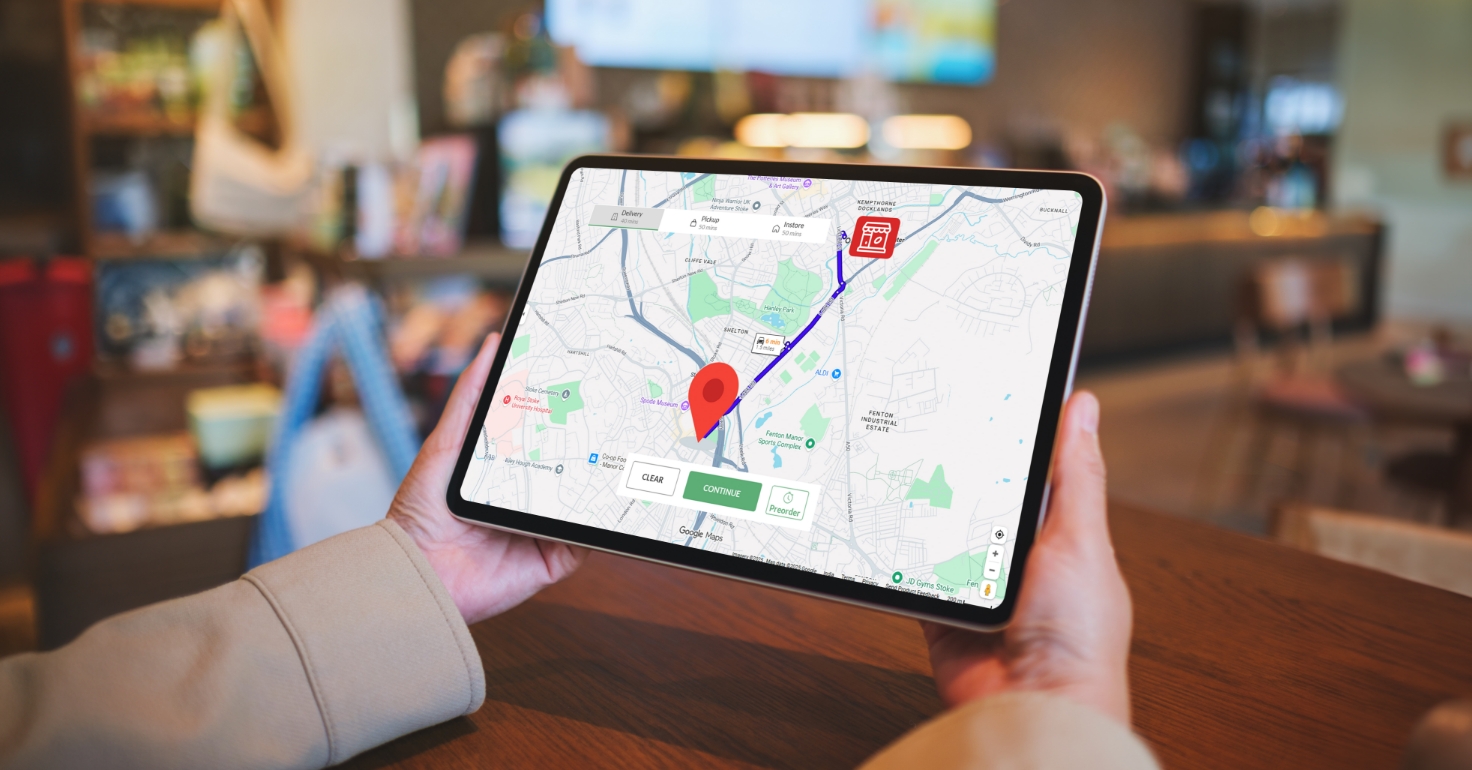
Route optimisation tools can help drivers follow more efficient routes and complete deliveries in a sensible order. This may reduce unnecessary mileage and make better use of each driver’s time.
It is especially useful for new drivers who may not know every street, estate or hard-to-find entrance in the delivery area.
5. Track drivers in real time
Once an order leaves the restaurant, staff still need to know what is happening.
Without live tracking, employees may have to ring drivers whenever a customer asks for an update. This interrupts both the driver and the team inside the restaurant.
Real-time tracking allows staff to see whether an order is on the way, delayed, or completed. If there is a problem, they can respond earlier and keep the customer informed.
6. Keep delivery details updated
Customers may call after placing an order to add a gate code, correct an address, or provide extra delivery instructions.
Food delivery management software can send updated information directly to the driver’s device. This reduces the chance of missed messages, failed deliveries, or drivers arriving at the wrong location.
It is far more reliable than writing a note beside the till and hoping someone remembers to pass it on.
7. Review delivery performance
Restaurants should not only manage current deliveries. They should also review previous shifts to identify recurring issues.
Managers can look at average delivery times, delayed orders, failed deliveries, driver reliability, busy periods, and customer feedback. These insights can help improve staffing, delivery zones, and overall performance.
Without this information, the same delivery problems may happen every weekend without anyone identifying the real cause.
How Can Drive2success Help?
Drive2Success is Foodhub’s food delivery management software for restaurants and takeaways.
It is designed to help businesses organise drivers, assign delivery orders, and monitor progress through one digital system.
Drive2Success can support delivery operations with:
- Order assignment, real-time driver tracking, route optimisation and delivery directions
- Driver communication, proof of delivery, customisable settings and performance reporting
It can also connect with Foodhub’s wider restaurant technology, helping businesses manage ordering and delivery through a more joined-up setup.
Drivers can receive job details through the app, while restaurant staff can monitor active deliveries and track order progress. This gives the team better control and reduces the need to chase drivers for updates.
Is Food Delivery Management Software Worth It?
A food delivery management system is particularly useful for restaurants that manage several deliveries at once, use their own drivers, or receive orders from multiple channels.
It can also help businesses that handle frequent customer update calls, need better visibility into driver activity, or want to reduce manual dispatch work.
A small takeaway completing only one or two deliveries each evening may be able to manage without specialist software. However, manual processes become harder to control as order volumes increase.
Adding more drivers will not solve the problem if jobs are still being assigned through paper notes and shouted instructions. The right software provides the structure needed to grow the delivery operation without turning every busy shift into chaos.
What Should You Look for in a Delivery Management System?
Before choosing a food delivery management system, restaurant operators should check whether it fits their existing processes.
The most important features include:
- Integration with ordering systems, simple driver assignment, live tracking, and clear delivery statuses
- Route planning, driver communication, reporting, proof of delivery, and reliable support
The system should be easy for restaurant staff and drivers to use. It should also provide enough flexibility to support busier periods and future growth. A complicated platform that takes too long to operate can create more work instead of reducing it.
Take control of every delivery
The best way to manage multiple delivery orders is to connect orders, drivers, and delivery updates through one reliable system.
Centralised order handling improves visibility. Smarter driver assignment helps balance workloads. Live tracking supports faster customer updates, while reporting helps managers improve future performance.
Drive2Success brings these functions together in a food delivery management system built for restaurants and takeaways.
It helps teams manage deliveries more efficiently, improve communication, and scale their operation with greater control.
Book a free demo to see how Drive2Success can support your restaurant or takeaway.