How to Start a Food Truck Business: Step-by-Step Guide
Want to start a food truck business in 2025? It’s an exciting time to do it. Food trucks are more popular than ever, and with the right plan, you can turn your love for food into a successful business.
But where should you start?
This guide will walk you through everything, from creating a business plan to choosing the best POS system, so you can get your food truck on the road and serving happy customers.
Understand the Food Truck Industry Landscape
Before you dive into launching your food truck, it’s important to know what you’re stepping into. The food truck industry is fast-paced, competitive, and constantly evolving, but it’s also full of opportunity for entrepreneurs who can adapt and stand out.
Start by researching:
- Market Size & Growth - Look at industry reports, local trends, and sales data to gauge demand in your area.
- Popular Cuisines & Concepts - Identify which food styles dominate and where gaps may exist.
- Competition - Visit other food trucks, see their menus, pricing, and customer flow.
- Consumer Trends - Keep an eye on dietary preferences, sustainability concerns, and flavor innovations.
By understanding the current landscape, you’ll be better prepared to position your food truck for success and make informed decisions about your niche, pricing, and marketing strategies.
Starting a Food Truck Business Made Easy: 10 Steps
Starting a food truck doesn’t have to be overwhelming. Follow these 10 simple steps to go from concept to serving your first happy customers.
1. Find Your Niche
In the UK, food trucks offer everything from gourmet burgers to street tacos. To stand out from the crowd, you need a unique niche.
Ask yourself:
- What food am I passionate about?
- Is there a gap in the market?
- What do people crave but can’t easily find?
Look at food trends and find out what’s missing in your area. There might be a demand for healthy street food or a cuisine that’s hard to find. Once you choose your niche, the rest will be easier.
2. Write a Solid Restaurant Business Plan
A restaurant business plan is your blueprint for success. Without it, you’re driving blind.
It should include:
- Concept and menu - What will you serve? What makes it unique?
- Market research - Who are your competitors? What do customers want?
- Costs and budgeting - What’s your startup cost? How will you stay profitable?
- Licences and permits - What do you legally need to operate?
- Marketing strategy - How will you attract customers?
- Tech and tools - What’s your plan for handling payments and orders?
A strong restaurant business plan not only keeps you on track but also helps secure funding if you need investors or loans.
3. Get the Right Licences and Permits
Food trucks in the UK must comply with food safety laws and local council regulations.
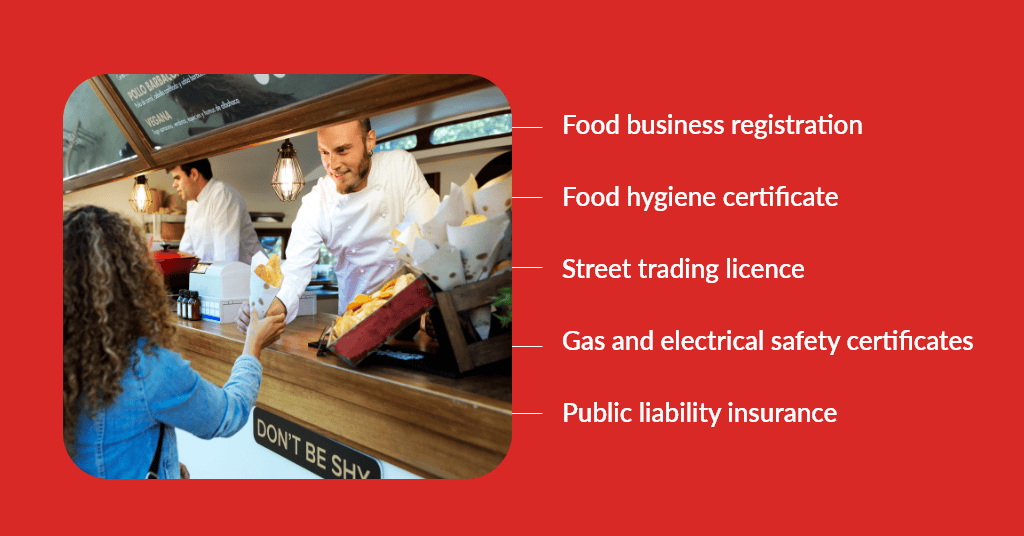
Here’s what you’ll need:
- Food business registration - Register with your local council at least 28 days before opening
- Food hygiene certificate - A legal requirement for handling food
- Street trading licence - Required for trading in public spaces
- Gas and electrical safety certificates - For any cooking appliances on board
- Public liability insurance - Covers accidents involving customers
- Tech and tools - What’s your plan for handling payments and orders?
Check your local council’s website to ensure you have everything in place before hitting the road.
4. Find the Perfect Food Truck
Your truck is your kitchen, storefront, and brand identity on wheels. Choosing the right one is crucial.
Decide between:
- Buying a new truck - Expensive but customisable and reliable.
- Buying second-hand - Cheaper but may require refurbishing.
- Leasing - Lower upfront costs, but you won’t own the vehicle.
Make sure it has the right kitchen setup for your menu, plenty of storage, and enough space to work efficiently.
5. Invest in a Reliable POS System for a Food Truck
A POS system for food truck businesses isn’t just for taking payments. It streamlines orders, tracks inventory, and helps manage sales reports.
Look for features like:
- Mobile compatibility – You need something compact and easy to use in a small space.
- Multiple payment options – Accept cards, contactless, and mobile payments.
- Integration with online ordering – Let customers order ahead, skip queues, and get their food faster, helping you serve more people efficiently.
A well-chosen POS system for food truck businesses makes service smoother and speeds up transactions, keeping your customers happy.
6. Choose the Best Locations
The location you choose can make or break your business.
Some key spots to consider:
- Busy city centres - High foot traffic, but may require expensive permits.
- Business districts - Great for lunch crowds.
- Events and festivals - Short-term but massive earning potential.
- Markets and food hubs - Often attract food lovers looking for variety.
Research footfall, competition, and council regulations before setting up in any area.
7. Build a Strong Brand
Branding isn’t just about a fancy logo; it’s about making your food truck unforgettable.
Think about:
- Name and design - Keep it catchy and unique.
- Social media presence - Instagram and TikTok are perfect for showcasing food.
- Consistent messaging - What’s your story? Why should people choose you?
A strong brand helps you connect with customers and turn them into loyal fans.
8. Master Social Media and Marketing
Word of mouth is great, but social media can take it even further.
- Post regularly - Share updates, special deals, and behind-the-scenes content.
- Use hashtags - Helps new customers find you.
- Engage with followers - Respond to comments and messages quickly.
- Collaborate - Team up with influencers or other food businesses.
Traditional marketing still works; flyers, local ads, and teaming up with nearby businesses can help spread the word.
9. Plan for Scaling Up
If things go well, you might want to expand.
Options include:
- Adding more food trucks.
- Opening a small restaurant or cafe.
- Partnering with delivery services.
Having a long-term vision keeps you motivated and ready for growth.
10. Stay Adaptable and Keep Improving
The food truck industry is competitive, so always be willing to adapt.
- Update your menu based on customer feedback.
- Experiment with new locations.
- Keep up with food trends.
- Invest in better equipment when needed.
Constant improvement keeps your business fresh and successful.
Ready to Start?
Running a food truck isn’t easy, but it’s one of the most rewarding ways to share your love for food. If you’re serious about getting started, make sure you have a solid restaurant business plan, invest in the right POS system for food truck operations, and market yourself effectively.
If you're looking for an all-in-one management solution to support your food truck, partner with Foodhub. Now’s the time to hit the road and make your food truck dream a reality!