Getting a customer to order once is good. Getting them to order again is where restaurant growth becomes more sustainable.
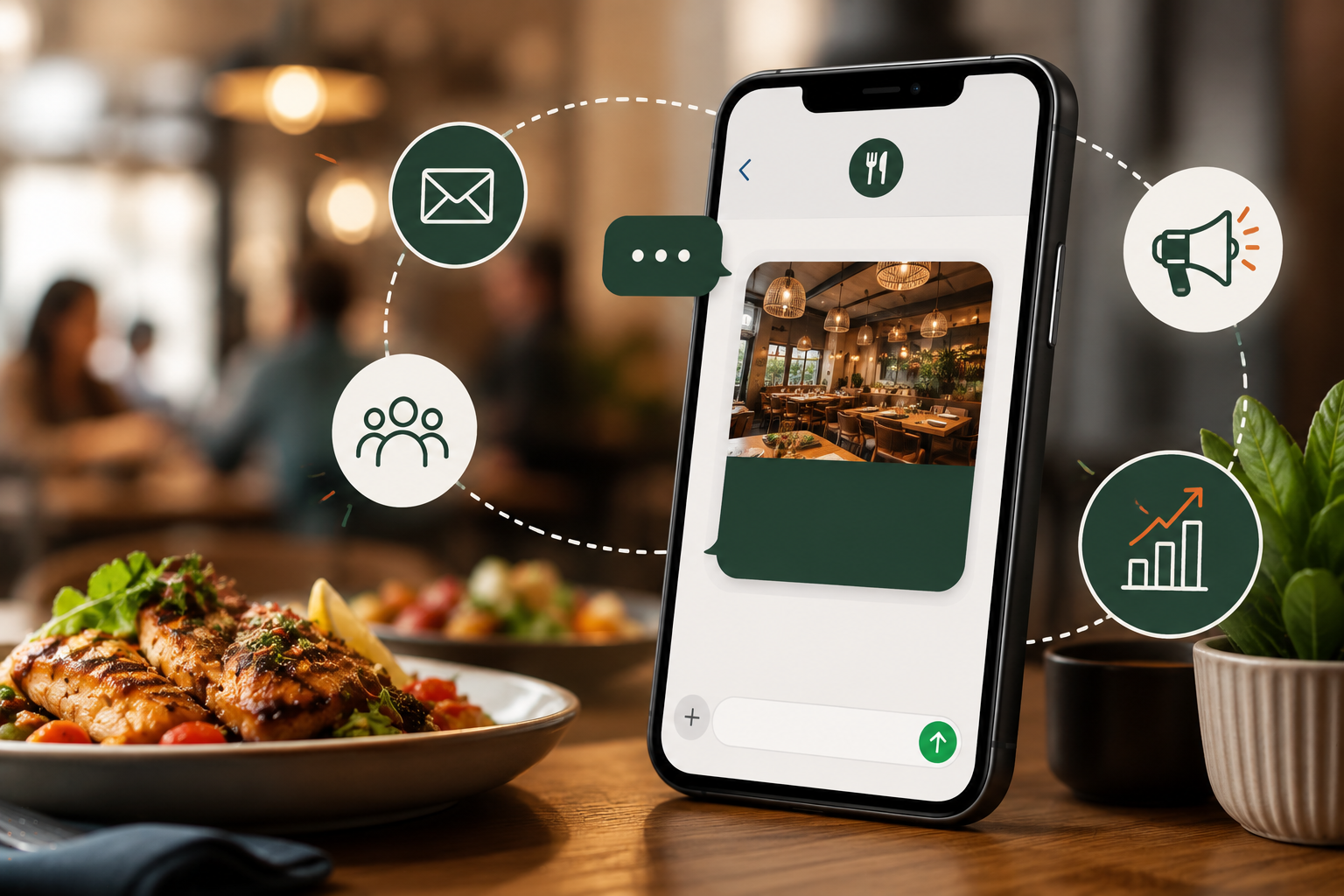
For UK restaurants, takeaways, and cafes, repeat customers are the ones who keep orders coming in on quieter days, respond to offers, try new dishes, and recommend you to friends. That is why sms marketing for restaurants can be a strong customer retention tool.
A well-timed text can remind customers about a new offer, encourage them to reorder, promote a limited-time dish, or bring them back after a quiet spell. But SMS only works when the message, timing, and ordering journey are connected.
A customer should not receive a tempting food offer and then have to search online, scroll through several pages, or wonder where to order. This is where Foodhub plays an important role.
Foodhub helps restaurants create a smoother journey from SMS message to direct order. With online ordering tools, branded websites, apps, and restaurant technology built for food businesses, Foodhub helps turn customer attention into repeat orders.
Why SMS Marketing Works for Restaurants
Text messages are direct. They land on a customer’s phone, are quick to read, and do not rely on social media reach or email inboxes.
For restaurants, this matters because food decisions often happen in the moment. A customer may not be thinking about dinner at 3 pm, but by 5.30 pm, a message about their favourite pizza, curry, burger or family meal deal can suddenly feel very relevant.
Text message marketing for restaurants works well for time-sensitive campaigns, such as tonight’s offer, weekend specials, lunch deals, new menu launches and limited-time discounts.
The real value is repeat business. Instead of waiting for customers to remember you, SMS gives you a direct way to stay front of mind.
Foodhub supports this by helping restaurants send customers to a clear, direct ordering journey. The SMS gets the customer’s attention.
Foodhub helps make the next step easy.
1. Start with Permission
Before sending marketing texts, restaurants need to make sure customers have agreed to receive them.
In the UK, electronic marketing messages, including SMS, are covered by PECR, and phone numbers are personal data under data protection rules. Restaurants should be clear about consent, customer data use, and opt-out options.
This matters for trust as much as compliance. Customers are more likely to respond positively when they have chosen to hear from you.
A good SMS setup should make it clear what customers are signing up for, whether that is offers, rewards, menu updates, or local restaurant news. Every marketing text should also include a simple way to opt out.
Nobody wants to feel trapped in endless “tonight only” texts. That is how a restaurant gets blocked faster than a suspicious parcel message.
2. Build Your List Through Direct Ordering
A strong SMS campaign starts with a quality customer list.
Restaurants can build opt-ins through their website, online ordering page, app, loyalty sign-up, in-store QR code, feedback form, or checkout journey. The key is to give customers a reason to sign up.
Foodhub can support this by helping restaurants create direct digital ordering channels where customers can interact with the business outside third-party marketplaces.
When customers order through a Foodhub-powered website, app, or online ordering setup, restaurants can build stronger customer relationships and create better opportunities for repeat engagement.
This is important because restaurant text marketing works best when it is based on real customer behaviour. If you know customers have ordered from you before, you can send more relevant messages than a generic one-size-fits-all blast.
A good sign-up message should explain the benefit clearly. Customers are more likely to opt in when they know they will receive useful rewards, exclusive offers, new menu alerts, or birthday treats.
3. Send Messages at the Right Time
Timing can make or break restaurant SMS marketing.
A great offer sent at the wrong time can be ignored. A simple reminder sent just before someone starts thinking about food can drive orders.
For takeaways, early evening messages often work well because customers are deciding what to eat. For cafes, morning messages can promote coffee, breakfast or lunch deals.
For dine-in restaurants, midweek texts can help fill quieter tables, while weekend reminders can support bookings, collections or family meals.
The timing should match the customer need.
- A pizza offer at 9 am? Probably not.
- A coffee and pastry deal at 8 am? Much better.
- A family meal deal at 5 pm on a Friday? Now you’re talking.
Foodhub helps by giving restaurants a direct ordering destination to use in these campaigns. When the timing is right, customers can tap the link and order without friction.
4. Personalise Messages Using Customer Behaviour
Personalisation makes SMS feel less like a mass blast and more like a useful reminder.
Restaurants can personalise campaigns based on order history, location, visit frequency, favourite items, or last order date. Even simple segmentation can make a big difference.
Customers who often order vegetarian meals could receive a plant-based menu update. Customers who have not ordered in 30 days could receive a comeback offer. Regular customers could receive early access to a new dish or a loyalty reward.
Foodhub helps restaurants manage digital ordering journeys, which can support a better understanding of customer behaviour over time. When restaurants can see what customers order and how they interact with online ordering, they can create more relevant campaigns.
A generic “Order now” message is easy to ignore. A message linked to a customer’s usual order, local branch, or preferred meal type is much harder to scroll past.
5. Use Offers Without Hurting Margins
Offers are one of the easiest ways to bring customers back, but restaurants need to use them carefully.
If every SMS is a discount, customers may start waiting for the next deal instead of ordering at full price. That can hurt margins and make the brand feel offer-led rather than food-led.
A better approach is to mix discount messages with value-led campaigns. Restaurants can promote new menu items, limited-time specials, lunch combos, birthday rewards, loyalty perks, free sides, family bundles, or early access offers.
For example, instead of always sending “20% off”, a restaurant could promote a new loaded fries range, a weekend curry box, a lunch wrap deal, or a free drink for returning customers.
Foodhub helps support this by giving restaurants a direct place to promote and sell those offers. When the menu, offer, and ordering link work together, customers can move from interest to checkout quickly.
6. Make Every SMS Easy to Act on
SMS is not the place for a full essay. Customers should understand the message within seconds.
A strong restaurant SMS usually includes a clear reason to act, a time frame, and a direct link. The wording should be simple, focused, and natural.
For example:
“Hungry tonight? Your favourite burger meal is ready to order. Get 10% off direct orders before 9 pm: [link].”
That works because it is short, timely, and easy to follow.
Foodhub’s direct ordering tools are important here. If a customer taps a link from a text message, they should land somewhere useful, such as the restaurant’s ordering page, website, or app. They should not have to search for the menu, call the shop, or figure out how to place the order.
A good SMS brings attention. A good ordering journey turns that attention into revenue.
7. Bring Back Inactive Customers
Some customers do not disappear because they dislike your food. They just forget, get distracted, or try somewhere else.
SMS can work well for win-back campaigns. These are messages sent to customers who have not ordered for a period such as 30, 60, or 90 days.
The message should feel friendly and food-focused, not desperate. Instead of simply saying “we miss you”, remind customers what they liked or give them a good reason to return.
For example:
“Been a while? Your favourite chicken tikka is still here. Order direct tonight and enjoy a free side: [link].”
Foodhub can support win-back activity by helping restaurants send customers back to a direct ordering page. The fewer steps customers have to take, the more likely they are to complete the order.
The aim is simple: remind them, tempt them, and make ordering easy.
8. Connect SMS with Loyalty
SMS becomes stronger when it is linked to loyalty.
Restaurants can use text messages to remind customers about rewards, birthday treats, points, exclusive offers, or repeat order perks. This helps customers feel recognised rather than simply marketed to.
A customer who is close to earning a reward could receive a reminder. A regular customer could receive a thank-you offer. Someone with a birthday coming up could receive a special treat.
Foodhub can help restaurants build stronger repeat-order journeys by supporting direct ordering and customer engagement tools. Instead of relying only on walk-ins or one-off orders, restaurants can encourage customers to come back through a more connected digital experience.
For BOFU readers, this is the key point. SMS is not just a marketing channel. It is part of a retention system. When combined with Foodhub’s ordering technology, it can help restaurants create a clearer route from message to repeat purchase.
9. Avoid Sending Too Often
SMS is personal because it lands directly on someone’s phone. That means frequency matters.
Too many texts can annoy customers, even if the offers are good. A restaurant that sends messages too often risks opt-outs, complaints, and lower engagement.
The best approach is to send SMS campaigns when there is a clear reason. This could be a weekend offer, payday campaign, quiet-day boost, new menu launch, birthday reward, loyalty update, or win-back message.
Foodhub helps make those campaigns more purposeful by connecting the message to a direct ordering action. Instead of sending texts for the sake of it, restaurants can use SMS when there is a clear offer, clear timing, and a clear route to order.
10. Track What Brings Customers Back
Restaurant SMS marketing should not be guesswork.
Restaurants should track which messages drive clicks, orders, and repeat visits. Over time, this helps show what customers respond to best.
You may find that family meal deals work better on Fridays, lunch offers perform better before noon, or win-back campaigns work best after 45 days of inactivity.
Foodhub can support this by helping restaurants manage online ordering and customer engagement more clearly. When campaigns point customers towards direct ordering, it becomes easier to understand which activity is helping to bring customers back.
That insight can help restaurants improve future SMS campaigns, sharpen offers, and make better marketing decisions.
How Foodhub Supports Restaurant SMS Marketing
Foodhub’s role is to help restaurants turn SMS interest into real orders.
A text message can create demand, but the customer still needs somewhere simple to order. Foodhub helps restaurants with direct online ordering, branded websites, apps, EPOS-connected workflows, and digital tools that support customer engagement.
For restaurants, this means SMS campaigns do not sit alone. They can connect with the wider ordering journey.
A restaurant can promote a new dish by SMS and send customers directly to its online menu. It can share a weekend offer and link to its direct ordering page. It can run a win-back campaign and make it easy for lapsed customers to reorder. It can promote app orders, website orders, collection orders, or loyalty rewards without adding extra confusion.
Foodhub also helps reduce friction after the customer clicks. A smooth ordering page, clear menu, and direct checkout can make the difference between a customer thinking “maybe later” and actually placing an order.
This is why Foodhub matters in restaurant text marketing. It supports the part that happens after the message: browsing, choosing, ordering, and returning again.
Final Thoughts
SMS marketing for restaurants can be a powerful way to increase repeat customers, but only when it is planned properly.
The best campaigns are permission-based, well-timed, personalised and easy to act on. They use relevant messages, direct ordering links and clear offers to bring customers back without overwhelming them.
For UK restaurants, takeaways and cafes, text message marketing for restaurants is especially useful for win-back campaigns, loyalty updates, quiet-day offers, new menu launches and repeat order reminders.
Foodhub strengthens this process by helping restaurants connect SMS campaigns with direct ordering, branded websites, apps and digital tools built for food businesses. The SMS gets the customer’s attention. Foodhub helps turn that attention into an order.
If your restaurant already has customers who like your food, restaurant text marketing gives you a direct way to remind them to come back.
Ready to turn more one-time orders into repeat customers? Explore Foodhub for Business and see how Foodhub can support your SMS marketing and direct ordering strategy.