.png)
2025 Food Service Industry Trends: What Restaurants Must Know Now
The food service industry is evolving at a faster pace than ever. From shifting consumer behaviours to new technology and sustainability priorities, restaurants in 2025 must adapt to stay competitive. Whether you run a cosy cafe, a fast-food outlet, or a fine dining venue, keeping pace with trends is essential for growth.
In this guide, we’ll explore the key 2025 food service trends shaping the industry — and how your restaurant can use them to thrive.
1. Sustainability Moves from Trend to Expectation
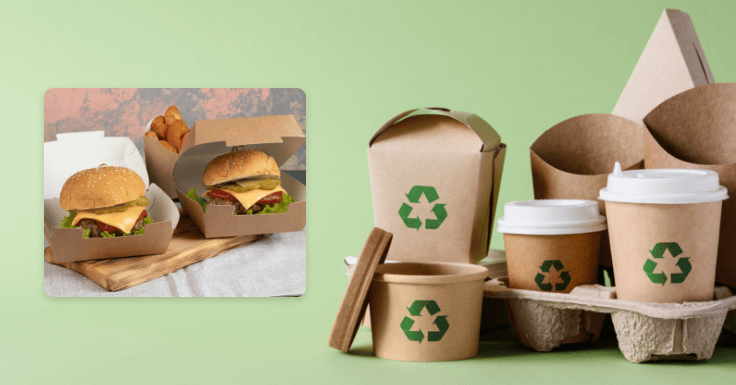
In 2025, sustainability is no longer just a marketing buzzword — it’s a core customer expectation. Diners are actively choosing restaurant businesses that demonstrate eco-conscious practices.
Key shifts include
- Reducing the use of single-use plastics and switching to biodegradable packaging.
- Sourcing ingredients locally to cut carbon footprint and support the community.
- Offering plant-based and low-carbon menu options.
Why it matters
Consumers are holding businesses accountable. Restaurants and takeaways that commit to measurable sustainability goals are not only more appealing but also enhance brand loyalty.
2. Personalisation Through Data and AI
Technology is enabling restaurants to deliver hyper-personalised dining experiences. From tailored menu suggestions to targeted loyalty offers, data is driving engagement.
How it’s happening in 2025
- AI-powered recommendation systems in ordering platforms.
- Customer purchase history influences in-app and email offers.
- Loyalty programmes reward individual preferences.
Impact
Personalisation leads to higher order frequency, improved customer retention, and a more memorable dining experience.
3. Growth of Direct-To-Consumer (D2C) Ordering
More restaurants are cutting out the middleman by offering a direct online ordering system via their own websites and apps.
Why is this trend growing?
- Lower commission costs compared to third-party delivery apps.
- Greater control over branding and customer relationships.
- Ability to run targeted marketing campaigns directly to your customer base.
In 2025, direct ordering isn’t just a cost-saving strategy — it’s a competitive necessity.
4. Menu Innovation Focused on Health and Function
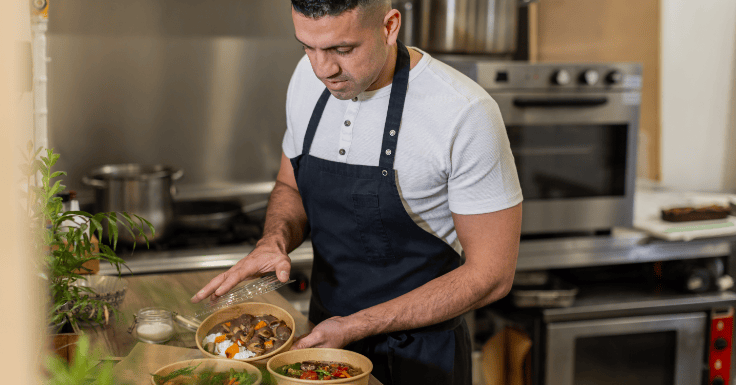
While indulgence will always have a place, consumers are increasingly drawn to menus that support health and wellness.
Trending menu concepts
- Functional foods with added health benefits (e.g., probiotics, protein boosts).
- Nutritionally balanced meal kits for home delivery.
- Allergen-friendly and clearly labelled options.
Restaurants offering transparency about ingredients and nutritional value stand out in a crowded market.
5. Technology-First Service Models
From EPOS systems to self-service kiosks, technology is streamlining operations and enhancing the dining experience.
Key 2025 innovations
- Smart EPOS systems that integrate inventory, orders, and payment processing.
- Contactless and mobile payment options are becoming standard.
- Kitchen display systems are improving speed and accuracy.
This shift not only reduces operational costs but also meets the demand for faster, more convenient service.
6. Experiential Dining and Community Building
Post-pandemic, customers are valuing experiences as much as the food itself. Restaurants are responding by creating memorable, interactive, and community-driven dining moments.
Popular examples in 2025
- Live cooking stations and chef’s table events.
- Local music nights and cultural pop-ups.
- Collaborations with local artists and food producers.
By offering more than a meal, restaurants can build lasting emotional connections with diners.
7. Omnichannel Marketing Becomes Essential
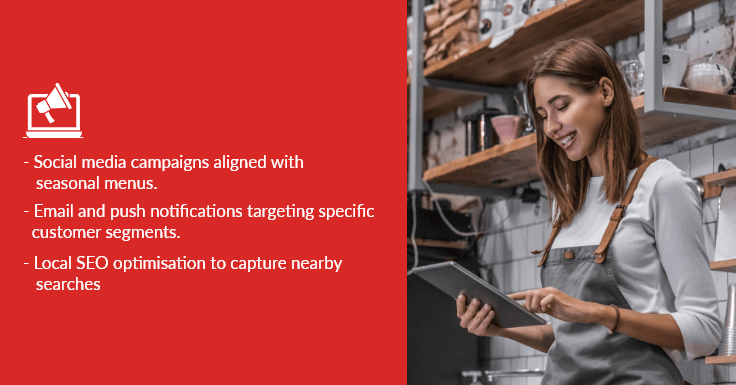
Restaurants are no longer relying on one marketing channel — they’re building a connected customer journey across multiple platforms.
In 2025, this includes
- Social media campaigns aligned with seasonal menus.
- Email and push notifications targeting specific customer segments.
- Local SEO optimisation to capture nearby searches.
An omnichannel strategy ensures your restaurant stays visible, relevant, and top of mind.
Final Thoughts
The 2025 food service landscape is defined by technology adoption, customer personalisation, sustainability, and brand-owned digital channels. Restaurants that embrace these trends will not only adapt — they’ll lead.
At Foodhub for Business, we understand that even local, independent restaurants deserve the same digital advantages as national chains. That’s why we provide digital marketing services to help restaurants promote their takeaways individually, complete with a branded website and app to attract and retain loyal customers.