Top Food Truck Market Trends Every Owner Should Know in the UK in 2026
The food truck scene in the UK is evolving fast. From street food markets to electric kitchens, the trends shaping 2026 will reward those who can adapt and punish those who stay static. Whether you run a mobile van, a trailer, or a pop-up kitchen, here’s what every food truck operator should know for the year ahead.
Adapting to 2026 trends isn’t just about new dishes — it’s about having the right systems in place. A modern food truck POS system allows instant menu updates, automated promotions, real-time sales tracking, and stock control, helping operators respond quickly and maximise profits.
Current State of the UK Street Food and Food Truck Sector
According to Street Food Expo, the UK now has over 7,000 street food vendors operating across the country.
The broader food truck / mobile food sector globally is projected to grow from USD 5.42 billion in 2024 to USD 7.87 billion by 2030 (CAGR ~6.3%) (Grand View Research). While that’s global, it reflects rising consumer demand trends that UK operators can tap into.
These figures show the UK is very much part of the growth wave in mobile dining and street food innovation.
1. More Diversification in Cuisine and Menus
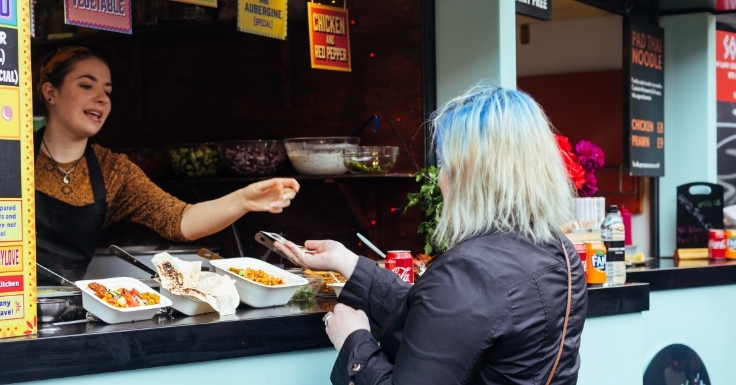
UK consumers are increasingly adventurous. Many food trucks are moving beyond staples like burgers and fish & chips, to fusion cuisine, plant-based menus, or hyper-local, seasonal offerings.
In fact, research shows coffee is now in higher demand than tea among mobile caterers, and global influences (e.g., Caribbean, Asian street food) are rising among van menus.
This permits you to experiment: limited-run specials, regional flavours, or “theme nights” can draw new customers and keep your menu fresh.
2. Sustainability, Packaging, and “Green” Operations
Environmental awareness is a huge factor in UK dining choices. Customers expect sustainable packaging, compostable, biodegradable, or reusable. Many food trucks are also exploring energy-efficient equipment, waste reduction strategies, and even hybrid or electric power options.
You don’t need to be perfect, but showing a clear intention helps. Market your “greener steps” openly; customers appreciate transparency.
3. Tech, Mobile Ordering, and Digital Visibility
To survive in 2026, a food truck must be visible, and ordering must be simple. Trends include:
- Mobile ordering apps and click-and-collect from the truck (reduce crowding and speed up service).
- Live tracking/location via app or social media so customers know where you are.
- Digital menus and QR code ordering to reduce printed materials.
- Analytics tools to understand peak times, customer preferences, and menu performance.
All of these help you operate leaner, smarter, and with better awareness.
4. Micro-Events, Markets, and Collaborations
Rather than depending solely on street pitch, many operators now partner with breweries, markets, festivals, office parks, and even shopping centres. These collaborations offer footfall, cross-promotion, and shared costs. Running pop-ups in unexpected locations or rotating between zones can increase your exposure.
5. Regulation, Licensing, and Operational Challenges
UK food trucks still face regulatory hurdles. Licensing, street trading permissions, health and safety inspections, and parking constraints vary by region and local council. It’s vital to stay ahead of changes and build relationships with local authorities.
Additionally, costs for ingredients, fuel, wages, and insurance continue to rise. Seasonality and weather remain unpredictable. Cash-flow planning is crucial for lean times.
Trend | What it means | Opportunity for owners |
Sustainability & environment | Demand for eco-friendly packaging and plant-based menus | Attract conscious diners, reduce waste & cost |
Tech & digital ordering | More mobile ordering, app visibility, contactless payments | Faster service, less queue, better customer satisfaction |
Specialty/fusion menus | Unique food concepts, gourmet street food | Stand out, charge premium prices |
Expansion into new areas | Service suburbs, rural, pop-ups, events | Lower overheads, underserved market potential |
Regulatory/operational risk | Permits, weather, rising costs | Need flexibility, diversifying income streams |
What These Food Truck Trends Mean for Operators
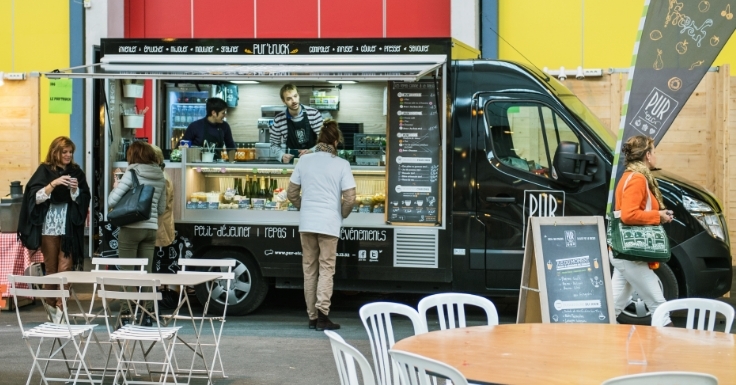
- Focus on menu differentiation, don’t just copy what’s already out there.
- Use technology to streamline orders, reduce errors, and improve customer experience.
- Prioritise sustainability and branding, which builds loyalty.
- Leverage events, collaborations, and rotating locations to increase reach.
- Stay agile with costs, suppliers, and regulatory compliance.
Staying Ahead in 2026
The trends in the food truck industry are pushing towards more technology, more sustainability, and more versatility. The UK is no exception, but it also presents uniquely local opportunities, from street food culture to regulatory frameworks and customer taste.
If you want to tap into these trends and make your food truck more efficient and profitable in 2026, Partner with Foodhub to get tools like the Restaurant POS System, Online Ordering, Self-Service Kiosk, Tap2Pay, and Android POS, which can help you put ideas into action while reducing friction and letting you focus on serving great food.