How to Start a Cafe: Step-by-Step Checklist for New Owners
If you've ever sat in your favourite cafe sipping a flat white and thought, “I could totally run a place like this,” you're not alone. With the UK's cafe culture being practically a national sport, it’s no surprise that many dream of opening their own spot, even if they’ve never touched a commercial coffee machine in their life.
But here’s the good news:
Starting a cafe isn’t as scary as it sounds. With the right planning, equipment, and a solid cafe EPOS system to keep the chaos under control, you can launch a cafe that not only smells like heaven but runs like a well-oiled espresso machine.
This guide breaks everything down step-by-step so you can start confidently, with a smile, a plan, and maybe a cheeky pastry on the side.
1. Nail Your Cafe Concept
Before you start buying latte art stencils or neon signs that say “Good Vibes Only,” you need a clear concept. The UK's take their coffee seriously, so your cafe needs a personality.
Are you opening:
- A specialty coffee bar?
- A brunch hotspot with eggs bennie that brings the crowds?
- A cosy neighbourhood cafe?
- A grab-and-go espresso station for city commuters?
Your concept shapes your menu, your branding, your layout… basically everything except your Spotify playlist (which we all know will be mostly indie acoustic and artists anyway).
2. Put Together a Business Plan (Less Fun But Necessary Bit)
A business plan sounds boring, but it’s the thing that saves you from surprises, the financially painful kind. Your plan should cover:
- Your start-up budget
- Menu pricing
- Staff needs
- Fit-out costs
- Equipment list
- Marketing strategy
- Tech stack, including your essential coffee shop pos
Think of it as your cafe's GPS. Without it, you’re just wandering around with a bag of coffee beans, hoping for the best.
3. Pick the Perfect Location
Choosing a cafe location in the UK is like choosing a house; location can make or break the whole thing. Look for:
- Strong foot traffic
- Office workers (they run on caffeine)
- Schools or universities
- Public transport hubs
- Good visibility from the street
And of course, check out the local competition. If the cafe across the road already has a 30-minute wait on weekends, you might be onto a winner… or a battle. Either way, do your homework.
4. Sort Out Your Legal Stuff
Before you start pouring flat whites, make sure you’re ticking all the legal boxes:
- Register your business with HMRC
- Follow Food Standards Agency (FSA) food safety guidelines
- Complete Level 2 Food Safety & Hygiene training
- Register your food business with your local council
- Understand UK employment law and National Minimum Wage rules (your staff will thank you)
It’s not the fun part of cafe ownership, but neither is getting fined, so handle this early.
5. Design a Cafe Layout That Actually Works
Your cafe layout determines whether your cafe feels smooth and welcoming… or like a traffic jam with coffee stains. Plan:
- Customer entrance flow
- Where your espresso machine sits (the throne)
- Service counter
- Display cabinet
- Seating plan
- Placement of the POS system for quick ordering
A great layout saves time, reduces stress, and keeps your baristas from bumping into each other like confused tourists on Oxford Street.
6. Choose Your Equipment (AKA Your Cafe Toolkit)
This is the fun part, shopping for café gear.
You’ll need:
- Espresso machine
- Coffee grinders
- Fridges
- Freezers
- Prep benches
- Ovens or sandwich presses
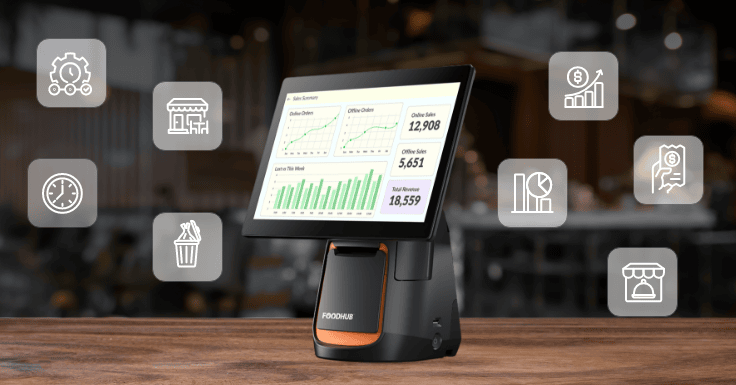
And the most underrated piece of gear? A good cafe EPOS system. Your POS needs to:
- Take orders fast
- Process card payments without delays
- Track sales
- Manage stock
- Give you reports
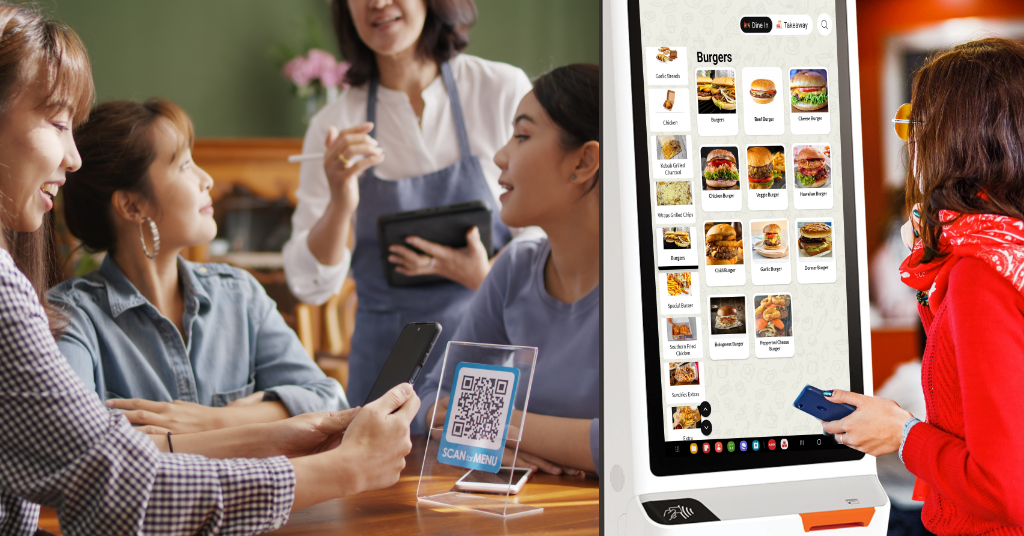
- Integrate with online ordering and QR menus
In other words, a cafe POS keeps your coffee shop running even when you’re in the weeds, making 20 oat lattes at 8:15 am.
7. Build a Menu That People Will Love
- Flat whites
- Toasties
- Smashed avo
- Eggs on sourdough
- Pastries
- Smoothie bowls
Design a menu that matches your concept and keeps your food costs under control. Test recipes, find reliable suppliers, and price items properly; you’re not running a charity!
8. Hire and Train Your Team
Your team can make or break your cafe. Hire people who are friendly, reliable, and can pronounce “macchiato” correctly.
You’ll need:
- Baristas who can steam milk without creating Mount Vesuvius
- Kitchen staff
- Front-of-house legends
- Supervisors
Make sure everyone knows how to use your EPOS system. It should be user-friendly enough that even your newest hire can take orders without breaking a sweat.
9. Set Up Your Tech (Yes, This Part Is Important)
A modern cafe needs more than good beans; it needs good tech. A strong cafe POS system will help you:
- Take orders fast
- Reduce mistakes
- Manage takeaway and dine-in
- Track busy periods
- Integrate with QR ordering, online orders, and delivery
- Produce real-time reports
- Sync with Kitchen Display Screens (KDS)
Look for a system that offers reliable integrations, so you’re not juggling 10 different apps like a caffeinated octopus.
10. Build Your Brand & Marketing Plan
Your brand is what gets customers in the door (and keeps them coming back).
Focus on:
- Logo
- Signage
- Social media
- Website
- Google Business Profile
- Opening promos
People love a good cafe vibe, clean interiors, natural lighting, plants, and a few photogenic dishes never hurt. Make your cafe Instagram-worthy, and customers will do half your marketing for you.
11. Set Up Suppliers & Inventory
You’ll need suppliers for:
- Coffee beans
- Milk (including dairy and plant-based options)
- Bread and pastries
- Fresh produce
- Packaging
Your cafe EPOS system can help you track inventory so you’re not overstocking or running out of croissants by 9 am.
12. Do a Soft Launch (Highly Recommended)
Before your big opening:
- Run trial shifts
- Test your menu
- Make sure your POS isn’t having a meltdown
- Gather customer feedback
Use this time to fix any hiccups and calm those pre-opening nerves.
13. Time for the Grand Opening
Make some noise! Try:
- Launch promos
- Social media campaigns
- Free coffee samples
- Loyalty cards
- Collaborations with local creators
First impressions matter; make yours a great one.
Conclusion
Starting a cafe in the UK is exciting (and slightly terrifying), but with the right concept, planning, equipment, and a dependable cafe POS system, you’ll be ready to build a cafe that locals love.
The right coffee shop POS will keep everything running smoothly, especially during those morning rushes when the whole suburb seems to need caffeine at the same time. Book a demo today and start your free trial to see how Foodhub’s cafe POS system can help your new business thrive.