Running a restaurant isn’t just about serving great food or offering that warm, “G’day, mate!” hospitality. It’s also about keeping an eye on the numbers, because if the numbers aren’t happy, your bank account won’t be either.
Whether you’re managing a buzzing cafe, a neighbourhood pizza joint, or a full dine-in venue, the right reports can tell you exactly what’s working, what’s not, and where your money is quietly slipping away.
If you want your venue to stay profitable (and avoid those “where did all the stock go?” mysteries), these are the five essential reports every restaurant should be checking regularly.

1. Sales Report: Your Daily Reality Check
If your restaurant had a pulse, the Sales Report would be it. It gives you the kind of daily, weekly, and monthly insights that help you understand exactly how your business is performing.
A solid Sales Report shows:
- Total revenue
- Your bestselling items
- Slow-moving dishes that might need a rethink
- Average order value
- Your peak service hours
This report answers the big questions:
Are our meals priced right? Is the spicy burger actually selling? Do we need extra staff on Friday nights, or does everyone magically disappear after 9 pm?
If sales trends drop, you’ll know immediately, because nothing says “fix something now” like watching your revenue dip before your morning coffee.
2. Inventory Report: Stop Waste Before It Starts
Food costs keep climbing like they’re training for a marathon, which means you really can’t afford wastage. The Inventory Report is your new best mate because it tells you exactly what’s happening in your stockroom.
It tracks:
- Stock usage
- Current stock levels
- Variance (aka: “what you should have vs what’s actually there, and why it doesn’t match”)
- Supplier order history
- Waste and spoilage
This report saves you from over-ordering, under-ordering, or discovering ingredients that went missing weeks ago.
If you’ve ever found three boxes of lettuce hiding behind the milk and immediately questioned your life choices, this report solves that.
It helps you keep food costs in check, reduces waste, and ensures you’re not losing money to spoilage, miscounts, or enthusiastic staff meals.
3. Labour Report: Balance Your Roster Like a Pro
Let’s be honest, labour costs can make or break your restaurant. Roster too many people and you’re throwing money away. Roster too few and your front-of-house might stage a mutiny.
A Labour Report gives you clarity on:
- Hours worked
- Wage costs compared to sales
- Overtime
- Staff productivity
- Top performers during peak hours
This report helps you avoid the classic restaurant drama of having six staff standing around on a slow Tuesday morning, or two stressed-out team members trying to survive Saturday dinner rush alone.
It also gives you insight into who’s consistently performing well and who might need a little more support (or a gentle push).

4. Customer Insights Report: Know Your People
Customers are the heart of your restaurant, but understanding them takes more than just guessing who likes extra sauce.
A Customer Insights Report tells you:
- Who your most loyal customers are
- How often do they come back
- How much they typically spend
- What they like to order
- What trends are emerging in their behaviour
This helps you tailor your menu, improve service, and build targeted promotions that actually work, rather than throwing random deals into the universe and hoping someone bites.
You’ll quickly learn which dishes your customers rave about… and which ones they politely avoid like that one friend who always asks for “just a bite.”
5. Profit & Loss Report: The One You Can’t Ignore
If the other reports offer insights, the Profit & Loss Report (P&L) offers truth. Harsh, honest truth.
The P&L breaks down:
- Total revenue
- Cost of goods sold (COGS)
- Labour expenses
- Operating costs
- Your net profit (or loss, if it’s been “one of those months”)
This report is where you can clearly see whether your restaurant is actually profitable, or if the costs are quietly eating away at your margins.
A well-maintained P&L helps you:
- Catch financial leakages early
- Adjust your strategies for seasonal slowdowns
- Make informed decisions about pricing, hiring, or menu changes
Think of it as the financial compass that keeps your business pointed in the right direction.
Why These Restaurant Reports Matter Together
Each report is powerful on its own, but when you combine them, they paint a full, realistic picture of your restaurant’s health.
- Sales patterns help you decide staffing levels.
- Inventory usage affects your menu pricing and profit.
- Customer insights guide your marketing and specials.
- Labour efficiency determines your service flow.
- P&L ties together every financial decision.
This is how the top-performing venues stay ahead: they rely on data, not gut feelings or guesses. And honestly, in hospitality, going by “gut feeling” usually ends with ordering too much stock or overstaffing a quiet lunch shift.
Final Thoughts
Staying on track in the restaurant industry isn’t about working harder; it’s about working smarter. With the right reports by your side, you can cut waste, understand your customers better, improve team efficiency, and protect your profits.
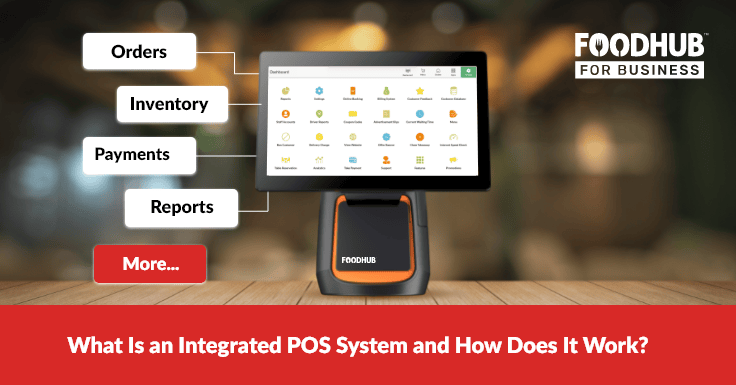
And if the idea of digging through spreadsheets sounds like a nightmare, the good news is modern restaurant POS systems can automatically generate these reports for you. No stress. No spreadsheets. Just clear insights served fresh every day.
Running a restaurant may never be easy, but with the right data, it definitely becomes a whole lot smoother and way less of a guessing game. Book a demo today and start your free trial to see how effortless reporting can be.