EPOS System In the UK: What It Is, How It Works, and What to Look For
Are you tired of losing track of your daily sales or feeling overwhelmed by a counter full of different tablets for each delivery app? Managing a modern restaurant or takeaway requires more than just a metal cash box to keep your money safe during a busy shift.
In 2025, Foodhub processed over 63 million orders, showing that customers across the country expect fast, digital, and reliable service at every touchpoint.
An EPOS system in the UK is a complete hardware and software solution that allows a business to process payments, track inventory, and manage staff from one central digital hub. This technology transforms the way you interact with your customers and your data. Now, let’s dive into how these systems work and how they can help your business grow.
The Evolution of the British Till
Modern restaurants and takeaways have moved from the clunky "ka-ching" of old registers to the silent efficiency of digital screens and cloud connectivity. This shift is not just about aesthetics; it is about the survival of your business in a competitive market.
You can no longer survive on manual entries and cash-only boxes. Customers expect to pay with their phones, receive digital receipts, and see accurate menu prices instantly.
If you are still using a basic till, you are likely losing hours every week to manual bookkeeping and stock checks. This time could be better spent on improving your service or expanding your menu.
This guide will cover everything you need to transition from a beginner to a confident owner. We will define what EPOS is in the UK context and look at how the mechanics of these systems actually function. We will also walk through the selection process to help you find a solution that fits your specific needs. Understanding this technology is the first step toward building a more profitable and less stressful business.
What is an EPOS System?
EPOS stands for Electronic Point of Sale. It is the combination of hardware and software that facilitates transactions between a business and its customers. While a standard cash register just records a sale, an EPOS system acts as a sophisticated data-gathering tool. It links your physical sales counter to a digital database that tracks every action in your business.
The "Electronic" part of the acronym is what truly changes the game for modern owners. Because the system is electronic and connected to the internet, it can communicate with other pieces of technology.
For example, when you sell a bottled drink, the system automatically subtracts that item from your digital inventory. It also records which staff member made the sale and what time the transaction took place.
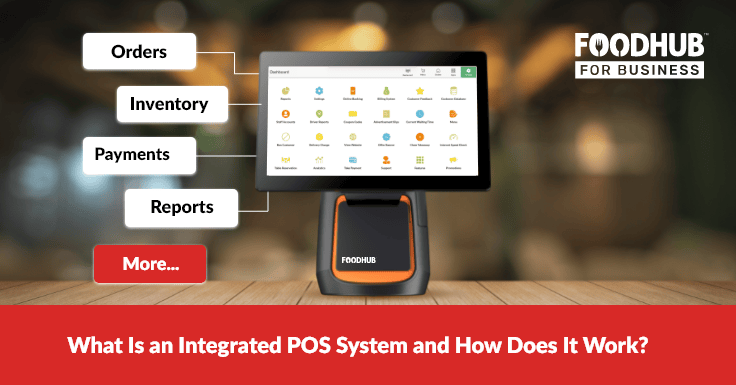
A complete EPOS system consists of several core components. These include the software interface, the physical hardware, like a touchscreen terminal, and a secure internet connection. Together, these elements create a seamless environment for managing a business. In the UK, these systems are now the standard for takeaways and restaurants.
POS vs EPOS: Is There Actually a Difference?
If you have been researching technology for your business, you have likely seen both terms used frequently. In the UK, POS and EPOS are often used interchangeably, which can lead to confusion for new business owners. A POS or Point of Sale is technically any place where a transaction occurs, even if it is just a person taking cash and putting it in a box.
EPOS is essentially the "smarter" and more advanced cousin of the traditional POS. The main difference lies in the integration capabilities. A standard POS might just process a payment, but an EPOS system connects that payment to your inventory, your accounting software, and your customer database. It provides a level of insight that a simple payment terminal cannot match.
Most UK high-street businesses are actually looking for an EPOS, even if they call it a POS. If you want to see your sales reports on your phone or track your stock levels automatically, you are looking for an EPOS solution. While the terms are mixed up in daily conversation, the functionality of an electronic system is what provides the real value for a growing company.
How Does an EPOS System Actually Work?
The journey of a sale begins with the customer interaction at the counter or via a mobile app. When a customer is ready to buy, the staff member scans a barcode or taps a specific item on a touchscreen terminal. The software instantly retrieves the price and any applicable taxes from its database. This ensures that every customer is charged the correct amount, regardless of who is serving them.
Once the items are logged, the customer makes a payment. In the UK, this usually involves a card machine that handles contactless payments, Apple Pay, or Google Pay. When the payment "beep" sounds, the transaction is authorised through a secure payment processor. This part of the process happens in seconds, but it involves complex communication between the EPOS, the bank, and the merchant service provider.
The real "backend" magic happens immediately after the payment is confirmed. The system logs the sale into your daily sales data and updates your inventory levels. If you are using a cloud-based system, this data travels from your shop floor to a secure server. This means you can log in from anywhere in the world to see exactly how much money your business has made that day.
Essential EPOS Hardware for UK Businesses
Every EPOS system in the UK requires a physical setup to function on your premises. The "brain" of the setup is usually a touchscreen terminal or a tablet interface. This is where your staff will spend most of their time, so it needs to be durable and easy to read. Many modern units are designed to withstand the spills and heat common in a busy kitchen or bar.
The payment PDQ, or card reader, is the next most important piece of hardware. These modern devices must handle more than just chip and pin. They should be equipped to take contactless payments and mobile wallet transactions. Having a fast and reliable card reader is essential for keeping queues short during a busy Saturday night rush.
There are also several peripherals that every business should consider. A receipt printer is standard for providing proof of purchase to your customers. Finally, a heavy-duty cash drawer is still necessary for those customers who prefer to pay with physical notes and coins.
For hospitality businesses, a Kitchen Display System (KDS) is a valuable addition to the hardware list. Instead of printing paper tickets that can get lost or dirty, orders are sent directly to a digital screen in the kitchen. This ensures that chefs see every order clearly and in the correct sequence. It creates a direct link between the front counter and the food preparation area.
The Software Features You Can’t Ignore
While hardware is the body of the system, the software is what provides the intelligence. Inventory management is perhaps the most useful feature for any business owner. The system can send you automatic alerts when you are running low on your best-selling items. This prevents the awkward situation of having to tell a customer that an item is out of stock.
Sales analytics provide the data you need to make smart business decisions. You can generate reports that show you exactly who is buying what and at what time of day. For example, if you see that your coffee sales are low on Tuesday mornings, you might decide to run a special offer. Without these reports, you are just guessing about what works and what does not.
Staff management is another feature that helps you protect your profit margins. Every staff member can have their own login, allowing you to track individual sales performance and hours worked. This level of transparency helps to prevent "till shrinkage," which is when money goes missing from the drawer. It also helps you identify your most productive team members.
Finally, a good system should include CRM and loyalty features. This allows you to store customer emails and purchase history in a way that is compliant with GDPR. You can use this data to send out "we miss you" offers or rewards for frequent visits. Building a loyal customer base is much cheaper than constantly trying to find new customers.
UK Regulatory Compliance: VAT and Making Tax Digital
Running a business in the UK means you have to deal with HMRC and VAT. An EPOS system makes this process much simpler by handling the complexity of VAT rates for you. Whether an item is standard rated at 20%, reduced at 5%, or zero-rated, the system applies the correct tax automatically. This is especially helpful for takeaways where the tax might change based on whether the food is hot or cold.
The UK government has also introduced the Making Tax Digital (MTD) initiative. This requires businesses to keep digital records and use specific software to file their tax returns. A compliant EPOS system will export your data directly to accounting platforms like Xero, QuickBooks, or Sage. This eliminates the need for manual data entry and reduces the chance of making a mistake on your tax return.
Digital record-keeping also protects your business during a potential audit. Every transaction is logged with a time stamp and a record of the items sold. This creates a clear audit trail that proves your business is operating legally and honestly.
Managing the Delivery Explosion
The takeaway industry in the UK has seen a massive explosion in delivery orders over the last few years. While this is great for sales, it often leads to what many owners call "tablet farm" chaos. This happens when a business has a different device for every delivery platform on their counter. It is noisy, distracting, and makes it very easy to miss an order.
A modern EPOS solution fixes this problem by pulling orders from platforms like Foodhub directly into one central screen. Instead of managing multiple devices, your staff only needs to look at the main terminal. This reduces the stress in the shop and ensures that every order is processed in the order it was received. It also means you only have one set of sales data to review at the end of the night.
Driver management is another key part of this integrated approach. While Foodhub does not provide its own fleet of drivers, our technology helps you manage your own in-house delivery staff. You can track which driver has which order and monitor their delivery times. This helps you provide a better service to your local customers and keeps your delivery operation organised.
What to Look For When Buying an EPOS System In the UK
When you are ready to invest in an EPOS system in the UK, the first thing to consider is industry specificity. A system built for a clothing shop will not have the features needed for a busy pizza shop. For example, a restaurant needs to be able to add "mods" or specific notes to an order, such as "no onions." Make sure the provider you choose understands the unique needs of your specific trade.
Ease of use is another vital factor that should not be overlooked. You need a system that your newest team member can use during a busy Saturday night rush without asking for help.
If the software is too complicated, it will lead to mistakes and frustrated customers. Always reach out and speak to the team to learn more about the interface and how it works before signing-up.
Finally, 24/7 human support is essential for any business that stays open late. If your system crashes at 9 PM on a Friday, you cannot afford to wait until Monday morning for a fix. You need a provider that is awake and available when your kitchen is open. Having reliable support gives you the peace of mind to focus on your customers.
The Cost of an EPOS System: Subscriptions vs. Commissions
Understanding the cost of your system is important for your long-term profit margins. Many providers offer "free" hardware, but this often comes with a hidden catch. These systems usually have high transaction fees or take a significant commission on every sale. Over a year, these fees can add up to thousands of pounds, making the "free" hardware very expensive.
The SaaS (Software as a Service) model is the standard for modern systems. This involves paying a monthly fee for software support, updates, and cloud storage. While this is an ongoing cost, it ensures that your system is always up to date and secure. You should always check the provider's official website for the most current pricing details to avoid any surprises.
The Foodhub model is built to be sustainable for UK small businesses. This is a crucial distinction for owners who want to reinvest their profits back into their growth. Always compare the total cost of ownership rather than just the initial price tag.
How to Switch to an EPOS Without the Stress
Many owners worry that switching to a new system will be a logistical nightmare. However, the process of data migration is now much simpler than it used to be. Most providers can help you move your old product list or menu into the new software. This ensures that you don't have to spend hours manually typing in every single item you sell.
Staff training is best handled with a "soft launch" approach. Set up the system a few days before you plan to go live and let your team practice during quiet hours. Show them how to handle common tasks like refunds, discounts, and split bills. The more comfortable they feel with the hardware, the smoother your first real day of trading will be.
Optimising the layout of your hardware can also make a big difference in your service speed. Position your touchscreen terminal and card machine so that they are easily accessible to both staff and customers. Make sure there is enough space for the receipt printer and that the cables are tucked away safely. A tidy counter looks professional and helps your team work more efficiently.
Future-Proofing: What’s Next for EPOS in the UK?
The technology used in the UK restaurant and takeaway scene is constantly evolving. One of the biggest trends right now is the rise of self-service kiosks. Many customers, especially younger ones, prefer to browse the menu and place their orders themselves on a digital screen. This reduces the pressure on your staff and can often lead to higher average order values as customers take their time to browse.
AI insights are also starting to play a larger role in modern systems. Future software will be able to predict exactly what you need to order before you even run out. By looking at your historical sales data and even the local weather forecast, the system can provide intelligent suggestions for your next stock order. This reduces waste and ensures you are always prepared for a busy day.
Mobile ordering and QR code technology are also becoming standard features. This allows customers to order and pay directly from their table using their own smartphones. It is a great way to handle peak times when your staff is busy serving food. By choosing a system that supports these modern features, you ensure that your business stays relevant and efficient for years to come.
The Heart of Your Business Growth
An EPOS system is no longer a luxury for UK restaurateurs; it is a necessity for anyone who wants to run a professional operation. By moving away from manual tills and separate tablets, you can save hours of time every week. This technology reduces human error, protects your profits, and provides the data you need to grow your brand.
The core benefits of a digital system are clear: time saved, errors reduced, and profits protected. Whether you are managing one shop or a small chain, having a central hub for your data makes everything simpler. It allows you to focus on the parts of your business you love, while the technology handles the complex calculations and record-keeping in the background.
Adopting the right tools is the best way to ensure your business thrives in the digital age. As you have seen throughout this guide, the right system connects you with your customers and simplifies every part of your daily routine. It is the foundation upon which you can build a successful and sustainable UK business.
Take the Stress Out of Your Tech with Foodhub for Business
Foodhub for Business is dedicated to helping the UK hospitality industry thrive through smart technology. We understand the unique challenges faced by takeaway and restaurant owners, which is why we provide an all-in-one ecosystem that simplifies your operations. Our solutions are designed to connect you with more customers while keeping your costs low and your service fast.
Our EPOS system in the UK provides the reliability and features you need to manage your business with confidence. From seamless delivery integrations to 24/7 human support, we are here to ensure your technology always works as hard as you do.
We pride ourselves on a low-commission model that lets you keep more of your revenue to reinvest in your business. If you are ready to upgrade your shop and streamline your service, speak with the Foodhub for Business team today.