A restaurant without connected systems? It’s a bit like trying to run a service with half your team missing. Orders get delayed, data gets messy, and decisions become guesswork.
That’s exactly why more restaurants across the UK are switching to an integrated POS system.
But what does “integrated” actually mean in practice? And how does it change the way your business runs day to day? Let’s get into it.
What is an Integrated POS System?
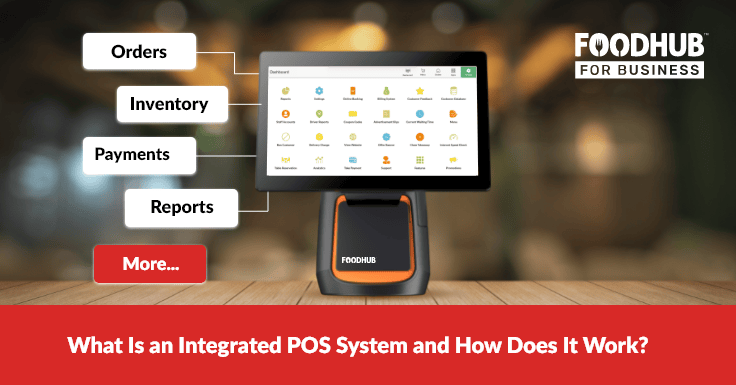
An integrated point of sale system brings all your core operations into one connected platform.
Instead of using separate tools for orders, payments, inventory, and reporting, everything works together in real time. So rather than switching between systems or chasing updates, your entire operation runs from a single source of truth.
In simple terms, an integrated POS system doesn’t just process transactions. It connects your entire business.
How Does an Integrated POS System Work?
At the centre of it all is your integrated POS terminal, which acts as the hub for your daily operations.
Here’s how the system works behind the scenes:
1. Orders Move Without Delays
When an order is placed, it’s instantly:
- Sent to the kitchen
- Logged in your sales data
- Linked to the customer (if applicable)
No duplication. No delays. No chasing tickets.
2. Payments Are Logged Instantly
Whether it’s contactless, card, or cash:
- Transactions are processed in seconds
- Sales figures update automatically
- End-of-day reconciliation becomes far simpler
Everything is recorded accurately without manual effort.
3. Stock Updates as You Sell
Every item sold reflects in your inventory straight away.
With Integrated EPOS systems, you can:
- Keep track of ingredient usage
- Avoid overselling menu items
- Plan stock more efficiently
It’s a quiet feature, but one that saves a lot of time and hassle.
4. All Your Data Works Together
Instead of scattered reports, everything feeds into one dashboard.
You can quickly understand:
- Your busiest hours
- Top-performing menu items
- Booking trends
- Staff productivity
That means fewer assumptions and more informed decisions.
Why Integrated POS Systems Are Becoming Essential
Let’s be real, the pace of hospitality has changed. Customers expect quicker service, and teams need better tools to keep up.
Here’s where an integrated POS system makes a real difference:
1. Less Admin, More Efficiency
Manual processes slow teams down. Integration removes repetitive tasks so your staff can focus on service. It also reduces the risk of human error by automatically syncing data across systems.
2. Faster, Smoother Service
When orders, payments, and updates occur instantly, your entire operation moves faster, especially during busy shifts. This helps reduce wait times and creates a better customer experience.
3. Clear, Actionable Insights
No more digging through spreadsheets. Everything you need is visible in one place. Real-time reporting helps you make informed decisions based on accurate business data.
4. Consistency Across Your Business
Whether it’s one site or multiple locations, Integrated EPOS systems keep everything aligned and standardised. This ensures every team follows the same processes and delivers a consistent customer experience.
Integrated POS vs Traditional POS
Here’s the difference in plain terms:
- A traditional POS helps you take payments
- An integrated point of sale system helps you run your business
It’s the difference between reacting to problems and preventing them altogether.
Who Should Be Using an Integrated POS System?
If your restaurant deals with:
- High order volumes
- Multiple sales channels
- Busy service periods
- Ongoing operational inefficiencies
Then, an integrated POS terminal isn’t just useful; it becomes a key part of staying competitive.
What to Look for in an Integrated POS System
Not all systems are built equally. A reliable solution should offer:
- Real-time syncing across all functions
- Seamless integration with payments and ordering
- Easy-to-understand reporting
- Flexibility to scale as your business grows
Most importantly, it should simplify your day, not add another layer of complexity.
Final Thoughts
An integrated POS system isn’t about adding more tech for the sake of it. It’s about removing friction. When your systems are connected, your team works better, your service runs smoother, and your decisions become sharper.
And in a fast-moving industry like hospitality, that’s not just helpful, it’s essential.
If you’re ready to simplify operations and take full control of your restaurant, book a demo with Foodhub for Business and see how an integrated system can transform your day-to-day service.