Electronic Point of Sale Systems: The Complete Beginner’s Guide
Electronic point-of-sale systems (EPOS) are hardware and software solutions that enable businesses to complete transactions and track vital sales data in real time.
For any modern UK business, this technology acts as the central brain of the operation, managing everything from stock levels to staff performance. By using high-quality point-of-sale systems, a business owner can move away from manual record-keeping and embrace a digital workflow that improves accuracy and service speed.
Now, let’s dive into how these systems work and why they are the most important investment for your growth.
From Cash Tills to Business Command Centres
British restaurants and takeaways for the past decade have been slowly entering a new era, increasingly requiring modern electronic point-of-sale systems. That serve as a comprehensive digital command centre doing much more than just holding money. They are the primary interface where a restaurant owner manages sales, staff, and customer interactions in a single digital environment.
In the past, an owner had to manually count every penny and reconcile paper receipts at the end of a long shift. This process was prone to human error and provided very little insight into which products were actually making a profit. Today, a digital system automates these tasks, providing real-time data that helps you make informed decisions. This shift from manual to digital is why a point-of-sale system is the most important investment for any new UK restaurant or takeaway.
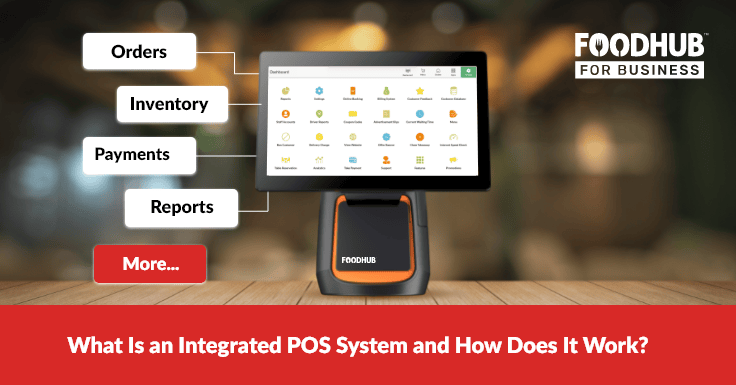
A modern system serves as the heart of your operation, connecting your front-of-house service with your back-office administration. It allows you to track every transaction, monitor stock levels, and even manage your marketing efforts from a single screen.
As we progress through this guide, you will learn about the hardware, software, and payment processing components that make these systems so powerful. We will take you from a complete beginner to an expert who can confidently choose the best system for your specific needs.
What Exactly is a EPOS System?
The electronic part of the name is what differentiates modern systems from old-fashioned mechanical tills. An EPOS system uses digital technology to record data every time a sale is made. This data is then stored in the cloud or on a local server, allowing for instant analysis and reporting at any time of day.
To understand an EPOS solution fully, you must view it as a three-part ecosystem consisting of software, hardware, and payments. The software acts as the brain, processing information and managing the business logic.
The hardware is the body, providing the physical tools like touchscreens and printers that you and your staff interact with. Finally, payment processing is the lifeblood, ensuring that money moves safely from the customer’s bank account to yours.
How a EPOS System Works: A 4-Step Journey
The process of using electronic point-of-sale systems might look simple to a customer, but several complex steps occur behind the scenes. Understanding this journey helps you troubleshoot issues and optimise your service speed.
The first step in any transaction is item entry. This is where a staff member uses a touchscreen, a barcode scanner, or a mobile app to log the products the customer wants to buy.
Once the items are entered, the system moves to step two: pricing and tax calculation. The software automatically applies the correct prices and calculates the required VAT. In the UK, this is particularly important as different items may have different tax rates, such as 0% for most cold takeaway food or 20% for hot food. The point-of-sale system handles these complex calculations instantly, ensuring your business remains compliant with HMRC regulations.
Step three is the transaction itself, where the customer chooses a payment method. This could be cash, a physical debit card, or a mobile payment using a digital wallet like Google Pay. The EPOS system communicates with the payment terminal to authorise the funds.
Finally, step four is the data loop. As soon as the sale is confirmed, the system updates your inventory levels, records the staff member’s performance, and adds the transaction to your daily sales data.
The Essential Hardware Checklist for Beginners
Every point-of-sale system requires a physical setup to function in a brick-and-mortar environment. The most visible piece of hardware is the terminal. You can choose between sleek tablets like an iPad or rugged, stand-alone units designed for heavy use. Tablet-based systems are popular for their mobility and modern look, while standalone units are often preferred in busy environments for their durability and stability.
Another essential component is the card reader, also known as a PDQ machine. Modern business owners prefer integrated payment terminals because they connect directly to the EPOS system. This means the staff member does not have to manually type the price into the card machine, which reduces mistakes and speeds up the queue. These readers usually support contactless payments, chip-and-pin transactions, and digital wallets.
Beyond the screen and the card reader, you will need a receipt printer and a cash drawer. While many customers now prefer digital receipts via email, a physical printer is still a standard requirement for most British restaurants and takeaways.
For businesses in the food industry, a Kitchen Display System (KDS) is also a valuable addition. This hardware replaces paper tickets with digital screens in the kitchen, ensuring that chefs see orders clearly as soon as they are placed at the front counter.
Cloud-Based vs On-Premise Software
When choosing a point-of-sale system, you must decide between cloud-based and on-premise software. On-premise software is installed on a local server within your building. This was the traditional way of doing things, but it often requires expensive maintenance and makes it difficult to access your data when you are away from the restaurant. It also means you are responsible for your own data backups.
Cloud-based software, often called a modern EPOS system, stores all your data on secure remote servers. This allows you to check your sales, adjust your prices, or view staff schedules from your phone or laptop at home. This flexibility is a game-changer for business owners who manage multiple locations or who want to keep an eye on their shop while on the move. Most modern providers use this model because it allows for automatic updates and better security.
A vital feature to look for in cloud software is an offline mode. This ensures that your EPOS system continues to process transactions even if your shop’s Wi-Fi fails. The system will store the transaction data locally and sync it with the cloud once the connection is restored. This prevents lost sales and keeps your business running during internet outages.
Must-Have Features for Every New Business
A point-of-sale system should do more than just process payments; it should help you manage every aspect of your business. Inventory management is one of the most critical features to look for.
The system should track every item you sell, whether it is a soft drink or a specific ingredient in a meal. This allows you to see real-time inventory levels and receive alerts when you are running low on stock.
Sales reporting is another essential feature that provides a deep dive into your business performance. You should be able to generate daily, weekly, and monthly reports to see your profit margins and identify your best-selling items. This data helps you understand customer behaviour and adjust your offerings to meet demand. Without these insights, you are essentially guessing what your customers want and when they want it.
Staff management and customer loyalty features are also highly beneficial for a growing business. Staff management tools allow you to create individual logins for every employee, making it easy to track their clock-in times and sales performance.
Customer loyalty features help you build a digital database of your regulars. By capturing customer data, you can send out special offers or digital gift cards, which improves customer satisfaction and encourages repeat business.
The UK Compliance Corner: VAT and Making Tax Digital
For UK business owners, point-of-sale systems must handle specific legal and tax requirements. Generic EPOS guides often ignore the complexities of HMRC regulations, but these are vital for avoiding fines. Your system must be able to handle automatic VAT splitting. This means it should automatically distinguish between different VAT rates based on the products sold and whether they are for takeaway or dine-in.
The UK government has also introduced the Making Tax Digital initiative. This requires businesses to keep digital records and use software to submit their tax returns. A compliant EPOS system will export your sales data seamlessly to accounting software like Xero, QuickBooks, or Sage. This eliminates the need for manual data entry at the end of the financial year, saving you time and reducing the risk of errors.
Using a system that is ready for digital tax reporting ensures that your business is prepared for the future of UK taxation. It simplifies the relationship between you and your accountant and provides a clear audit trail for every transaction.
Industry Spotlight: Why Food and Hospitality Need a Specialist EPOS
While a general retail EPOS might work for a clothing shop, the food and hospitality industry has unique needs. A restaurant EPOS must be able to handle high-speed environments where orders are complex and change quickly. For example, a specialist system allows for easy menu customisation. Staff should be able to add specific notes or remove ingredients with just two taps on the screen.
Table management is another feature that is specific to restaurants and cafes. A specialist point-of-sale system allows you to map out your floor plan on the screen. You can see which tables are occupied, how long they have been sitting there, and when their food was served. This helps you manage table turnover more effectively and ensures that no customer is left waiting too long for their bill or their next course.
In a busy takeaway or restaurant, the speed of service is everything. A system designed for hospitality will have a streamlined interface that minimises the number of touches required to complete an order. It should also integrate with other tools like mobile apps and online ordering platforms. This ensures that every order is handled with the same efficiency, whether it comes from a walk-in customer or an online platform.
Breaking the Tablet Farm: Consolidating Delivery Apps
One of the biggest challenges for modern UK takeaways is managing multiple delivery platforms. Many owners end up with a tablet farm on their counter, with separate devices for various third-party delivery providers. This creates significant stress and leads to mistakes, as staff must manually re-enter orders from the delivery tablets into the main EPOS system.
The solution is a point-of-sale system that pulls every third-party delivery order into one main screen. This consolidation removes the need for multiple tablets and ensures that all orders flow through a single channel. While you may still need to use the specific partner's dashboard to make menu changes, having the orders arrive in one place drastically improves kitchen efficiency.
A unified order flow reduces the risk of human error, such as forgetting to log a specific order or getting the order details wrong. It also provides a clearer picture of your total sales across all platforms. When all your orders are in one place, your kitchen staff can work through a single queue, which speeds up delivery times and keeps customers happy.
The Hidden Tax: Understanding Commission vs Subscription
When comparing point-of-sale systems, it is vital to understand the different ways providers charge for their services. Many companies offer a free EPOS system but charge a high percentage of every sale you make. While this might look attractive at first, it often becomes the most expensive option as your business grows. This commission-based model can feel like a hidden tax on your hard work.
A better alternative for many small businesses is a subscription-based model or a low-commission structure. In these models, you pay a fixed monthly fee or a very small percentage per transaction. This allows you to keep more of your money and reinvest it into your business. When you are not giving away a large chunk of every sale, your profit margins become much healthier.
It is important to search for the most current pricing details on a provider's official website, as costs can vary. For example, some providers focus on a low-commission POSitioning to help small businesses grow. If you are unsure about the total cost of ownership, it is always best to speak to the team to get a clear quote tailored to your business volume.
How to Choose Your First System: A Selection Checklist
Choosing your first point-of-sale system is a big decision that will impact your daily operations for years. Your first consideration should be your budget, including the total cost of ownership. This includes the upfront cost of hardware like the screen and cash drawer, as well as the ongoing monthly software fees. Don't just look at the initial price; consider how much you will pay in transaction fees over a year.
Ease of use is equally important for your team. You should be able to train a new staff member to use the system in under 15 minutes. If the interface is too complicated, it will lead to mistakes during busy periods and slow down your service.
Finally, consider UK-based support and scalability. You need a help desk that is awake and available when your business is open, which often includes late nights and weekends. You also want a system that can grow with you. If you plan to open multiple locations in the future, your point-of-sale system should be able to manage them all from a single account.
Implementation: Setting Up for Your First Day
Once you have chosen your system, the implementation phase begins. The most time-consuming part is often menu and product data entry. You should take the time to categorise your items logically so that staff can find them quickly during service. For example, group all drinks together and all main courses in another section to speed up the checkout process.
Before your official launch, it is essential to perform a dry run. This involves testing the system during a quiet hour to ensure everything works as expected. Process several different types of transactions, including card payments, cash sales, and refunds. This helps you identify any issues with your setup or your internet connection before you have a queue of real customers.
Staff training is the final step in a successful setup. Ensure that every team member knows how to handle common tasks like split bills, discounts, and item voids. They should also know what to do if the internet goes down or if the receipt printer jams. A well-prepared team will feel more confident using the new technology, which translates to a better customer experience.
The Foundation of Your Business Success
Investing in the right point-of-sale systems is not just about taking payments; it is about building a foundation for your long-term success. A digital system saves you hours of administrative work, reduces the stress of manual bookkeeping, and protects your profit margins through accurate reporting. By moving away from old-fashioned methods, you join the ranks of modern UK restaurants and takeaways that use data to drive their growth.
Going digital is no longer an optional extra in the competitive UK hospitality segment; it is a necessity for survival. Whether you are a small takeaway or a growing restaurant chain, the right technology will help you stay organised and compliant with HMRC. As you have seen throughout this guide, an EPOS system is a powerful tool that connects you with your customers and simplifies your operations.
Take the Stress Out of Your Tech with Foodhub for Business
Foodhub for Business is the go-to partner for UK takeaways and restaurants looking to streamline their operations. We offer an all-in-one ecosystem that includes point-of-sale systems, online ordering, and delivery management tools.
Our platform is designed to help you grow without the burden of high commission fees, allowing you to keep more of your profit. With 24/7 human support, we are always available to help you when you need it most.
Our technology makes the food industry simple by connecting your business with customers through smart, integrated solutions. Whether you need a mobile app, a kitchen display, or a reliable EPOS system, Foodhub for Business provides the tools you need to succeed in a digital world.
To see how our smart technology can streamline your operations and increase your profits, book a demo with Foodhub today.