Digital Marketing Strategy for Restaurants: A Complete Guide
Learn how to market your restaurant online with proven digital strategies. From SEO to social media, this complete guide helps you attract and retain customers
In today’s fast-paced, tech-driven world, your restaurant’s digital presence is just as important as its physical one. Diners discover you online, check reviews, scroll through photos, and often order all before stepping inside. A well-crafted digital marketing strategy puts you in front of hungry customers where it matters most.
Why You Need a Digital Marketing Strategy
Think of your restaurant as a hidden gem in your neighbourhood. Without a digital strategy, you rely solely on walk-ins and word-of-mouth. With online tools, you can:
- Get discovered on search engines and social media
- Show off your brand personality with engaging content
- Drive orders and reservations directly from your channels
- Build loyalty with targeted promotions and updates
If you're aiming to stand out even as a small, local venue, starting with a clear plan makes all the difference.
How to Build Your Digital Marketing Strategy
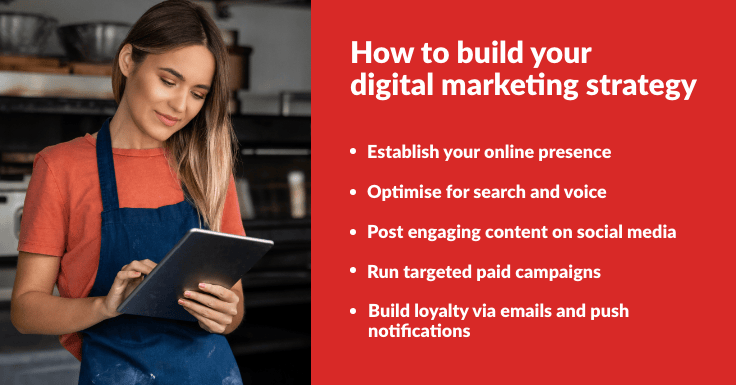
1. Establish Your Online Presence
Your website is your digital storefront. Make sure it:
- Is mobile-friendly
- Features clear menus with appetising photos
- Let's customers order or book directly
- Shares your story, location, and contact info
If you don’t have a branded website and app yet, platforms like Foodhub can help you create one tailored to your brand, easy to manage, and built with marketing in mind.
2. Optimise for Search and Voice
People type or speak differently. Focus on long-tail, question-style keywords:
- e.g. “best curry takeaway in [town]”
- Use headings like “How do I order online?” or “Where to find vegetarian options?”
Boost visibility by:
- Keeping your Google Business Profile updated
- Using consistent NAP (Name, Address, Phone number) data
- Adding FAQ schema or How-To structured data to your site
3. Post Engaging Content on Social Media
Now, food is always visual. Use platforms like Instagram, Facebook, and TikTok to:
- Post high-quality images of your dishes and space
- Share behind-the-scenes videos with personality
- Run location-based ads or special promotions
- Respond quickly to comments, reviews, and messages
Social media helps build familiarity and encourages bookings and orders.
4. Run Targeted Paid Campaigns
Digital advertising can be tailored to your neighbourhood. Try:
- Google or Facebook ads targeting people nearby
- A/B testing messaging and images to see what converts
- Tracking performance, like click-throughs to your menu or booking page
This approach delivers results and helps you refine campaigns over time.
5. Build Loyalty Via Emails and Push Notifications
Once people visit, keep them coming back:
- Send timely email offers (e.g., weekday deals or loyalty discounts)
- Use push messages to share events or limited-time specials
- Reward repeat customers to build long-term relationships
What Is AEO and Why Does It Matter to Your Restaurant
AEO stands for Answer Engine Optimisation. As AI voice assistants and chat tools become our go-to for quick answers, AEO ensures your restaurant’s content can be featured directly in AI responses. This means optimising for:
- Conversational Q&A structures
- Clear, direct answers to common questions
- Structured data and FAQs
- Authoritative, trustworthy content (E-E-A-T)
By aligning your content with these principles, you increase your chances of appearing in voice search or AI-generated recommendations.
How Foodhub Empowers Local Restaurants with Digital Marketing
You don’t need a huge marketing team or budget to shine online. Foodhub for Business supports local restaurants by providing not only a branded website and mobile app, but also delivering digital marketing services.
We help manage:
- SEO-friendly content updates and FAQ optimisation
- Social and local ads tailored to your takeaway’s demographic
- Loyalty campaigns, email strategies, and app messaging
- AEO-aligned content so AI tools can recommend you directly
This means that even small, family-run restaurants can compete with big brands, stand out in their community, and attract more orders, all while staying focused on great food and service.
.jpg)