If staff rotas were easy, restaurant managers would not be rewriting them at midnight, replying to WhatsApp messages on their day off, or mentally rearranging shifts while standing in the walk-in fridge.
Yet here we are.
By 2026, scheduling in restaurants is no longer just about filling shifts. It is about balancing staff availability, rising labour costs, changing expectations, and customer demand that never seems to follow the plan. This is exactly why more businesses are turning to employee scheduling software for restaurants instead of relying on spreadsheets, paper rotas, or group chats that spiral out of control.
Let us look at why scheduling software is becoming less of a “nice to have” and more of a survival tool.
What is Employee Scheduling Software for Restaurants?
In simple terms, restaurant employee scheduling software helps managers create, manage, and adjust staff rotas digitally.
Instead of juggling spreadsheets or scribbled notes, scheduling software allows restaurants to:
- Build rotas quickly
- See staff availability clearly
- Share schedules instantly
- Make real-time changes without chaos
Modern scheduling software for restaurants is designed to work around real-life hospitality problems, not office-style nine-to-five routines.
Why Scheduling Has Become Harder Than Ever in 2026
Restaurant scheduling used to be difficult. Now it is complex.
In the UK, restaurants are dealing with:
- Ongoing labour shortages
- Staff wanting more flexibility
- Part-time and mixed-shift work patterns
- Increased focus on work-life balance
- Pressure to control labour costs tightly
Manual scheduling struggles to keep up with this reality. One sick call or unexpected rush can throw the entire rota off balance. That is where restaurant scheduling programs make a real difference.
What Restaurant Scheduling Programs Actually Do
Despite the name, restaurant scheduling programs do much more than just assign shifts.
They help restaurants:
- Plan rotas based on availability and demand
- Track time-off requests
- Send automatic schedule updates to staff
- Spot gaps before they become problems
- Reduce scheduling conflicts
Instead of reacting to problems, managers can plan with confidence. And yes, it also means fewer “Sorry, I thought I was off” conversations.
How Scheduling Software Improves Restaurant Operations
When scheduling improves, everything else tends to follow.
Using scheduling software for restaurants helps:
- Ensure the right number of staff during busy hours
- Avoid overstaffing during quieter periods
- Reduce last-minute phone calls and panic changes
- Free up management time for actual leadership
Better scheduling leads to smoother service, calmer teams, and fewer operational headaches. Which, in hospitality terms, is a small miracle.
Why Staff Actually Like Scheduling Software
Contrary to popular belief, staff do not hate scheduling software. They hate uncertainty. With employee scheduling software for restaurants, staff benefit from:
- Clear, predictable rotas
- Easy access to schedules on their phones
- Fairer distribution of shifts
- Simple ways to request time off or swaps
When employees know where they stand, they are more likely to show up on time, stay engaged, and stick around longer.
Scheduling Software and Labour Cost Control
Labour is one of the highest costs for any restaurant. A well-used restaurant employee scheduling software helps managers:
- Match staffing levels to expected demand
- Reduce unnecessary overtime
- Avoid understaffing that hurts service
- Make decisions based on data rather than guesswork
This is where the best restaurant scheduling software quietly proves its value, not by cutting corners, but by improving efficiency.
What to Look for in the Best Restaurant Scheduling Software
Not all tools are created equal. When evaluating the best restaurant scheduling software, restaurant owners should look for:
- Simple, intuitive design
- Mobile access for staff
- Easy rota creation and editing
- Real-time notifications
- Integration with existing systems
- UK compliance awareness
If it feels complicated during a demo, it will feel impossible during a Saturday night rush.
Common Scheduling Mistakes Restaurants Still Make
Even with good intentions, many restaurants fall into the same traps.
Common mistakes include:
- Overcomplicating rotas
- Ignoring staff availability preferences
- Making last-minute changes without communication
- Treating scheduling as admin rather than strategy
A proper restaurant scheduling program helps avoid these issues by bringing structure and visibility into the process.
Preparing Your Restaurant for 2026
The goal is not to become tech-obsessed. It is to become more organised.
Restaurants preparing for the future should:
- Review how much time scheduling currently takes
- Identify recurring rota issues
- Introduce scheduling software gradually
- Train managers and staff properly
Even small improvements in scheduling can have a noticeable impact on morale, service, and costs.
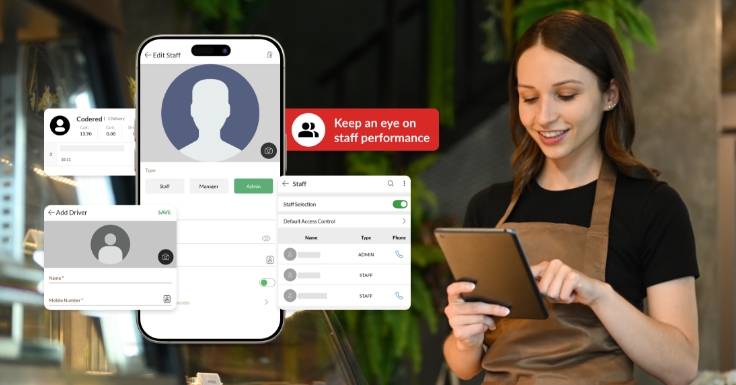
Modern scheduling works best when connected to your restaurant POS system, giving you real-time insights into sales, peak hours, and staffing needs. With tools like the My Business Hub app, restaurants can manage schedules, monitor performance, and stay in control from one central platform.
Final Thoughts
In 2026, scheduling is no longer just a back-office task. It is a core part of how restaurants operate successfully.
Employee scheduling software for restaurants helps businesses stay flexible without losing control. It supports staff, protects margins, and reduces the daily stress that comes with managing rotas manually.
Good food and great service will always matter most. But behind every smooth service is a well-planned schedule. And that is something worth getting right.

.png)