How Takeouts and Restaurants Manage Their Own Delivery Drivers Effectively
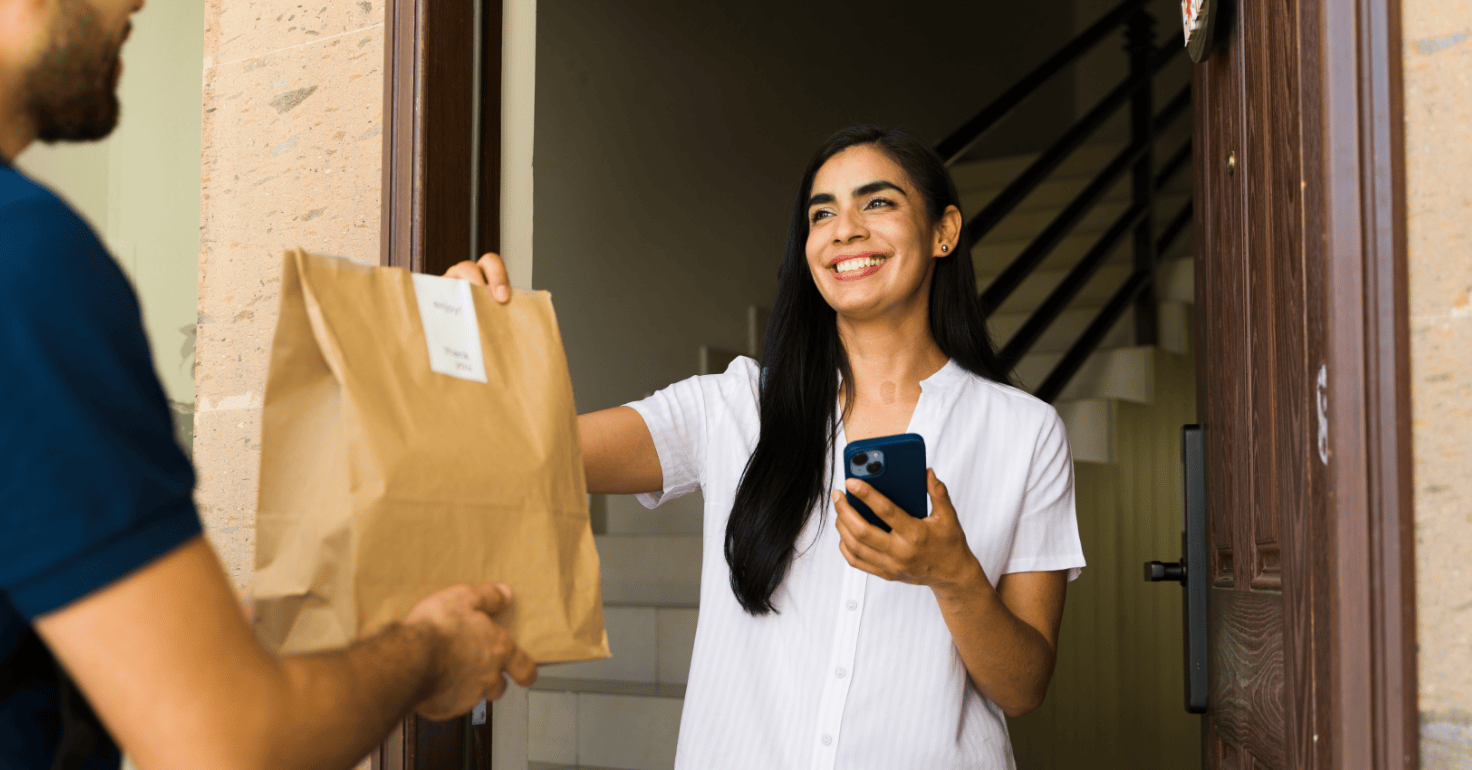
Restaurant delivery management connects driver scheduling, order readiness, delivery zones, customer communication, and reporting so orders can move from the kitchen to the customer's door with fewer handoff problems.
The National Restaurant Association's 2025 Off-Premises Restaurant Trends report found that 37% of adults order restaurant delivery at least weekly. Restaurants can meet that demand through third-party delivery, an in-house fleet, or a combination of both.
An in-house model can provide more control over service and delivery economics, but it also adds responsibility for staffing, insurance, safety, dispatch, and vehicle policies. The goal is a repeatable operation that protects food quality without unnecessary complexity.
Why more restaurants and takeouts are bringing delivery in-House
The practical question is which model offers the right balance of reach, cost, and control. Marketplaces can support discovery and flexible capacity, while restaurant-managed drivers can create a closer connection between the kitchen and the guest.
Rising third-party fees and margin pressure
Third-party fees and terms vary by provider, market, and agreement. Even when a marketplace brings useful demand, fulfillment costs can narrow an already tight contribution margin.
Compare the full cost of each channel, including wages, payroll taxes, mileage or vehicle expense, insurance, software, recruiting, training, and management time. Direct delivery works best when order volume and route density keep drivers productively occupied.
Desire for control over customer experience
With an outside courier, the restaurant has limited control over handling, routing, and driver communication. Customers may still associate late, cold, damaged, or incomplete orders with the restaurant.
An in-house team can follow the restaurant's standards for order checks, food handling, communication, and service recovery, giving managers clearer ways to prevent and correct problems.
Faster issue resolution
Restaurant-managed delivery lets the store contact the assigned driver, confirm status, and resolve an issue directly. Define who contacts the customer and who approves a credit, remake, or redelivery so the response remains consistent during a rush.
Ownership of customer data
Direct ordering can give a restaurant greater access to customer information generated through its own channels, subject to privacy notices, consent practices, and applicable law. Use that data to improve service, measure performance, and communicate relevant offers.
What restaurant delivery management really involves
In-house delivery requires coordination among online ordering, the POS, the kitchen, dispatch, and the driver. Each stage needs a clear owner and a status the next person can understand.
Coordinating orders and timing
Quoted delivery times should reflect both kitchen capacity and travel time. A 12-minute drive does not produce a 12-minute delivery when preparation takes 20 minutes or no driver is available.
Compare promised and actual preparation times by menu category and daypart. Update estimates when the kitchen is behind, and avoid releasing heat-sensitive food too early when drivers are delayed.
Balancing speed and cost
Sending every order immediately may improve speed but increase labor and vehicle costs. Combining nearby deliveries can improve utilization, but a poor batch can make the final customer's trip too long.
Base batching rules on geography, readiness, promised time, and how well the food travels. Expand cautiously only when food quality and on-time performance remain stable.
Managing drivers as part of daily operations
Drivers are part of the service team. Give them clear expectations for attendance, conduct, customer communication, cash handling, incident reporting, and whom to contact when something goes wrong.
Before launch, confirm worker classification, wage and tip requirements, driving-record checks, age and license rules, vehicle standards, reimbursement, workers' compensation, and auto coverage with qualified local advisers. Personal auto policies may not cover delivery use. Document accident reporting, severe-weather procedures, mobile-phone expectations, and when a driver should stop or return rather than continue an unsafe trip.
The biggest challenges of managing restaurant delivery drivers
Bringing delivery in-house creates operational responsibilities that need clear measures and ownership. Decide who schedules drivers, manages dispatch, monitors order status, handles customer issues, reviews costs, and updates the process when results fall outside expectations.
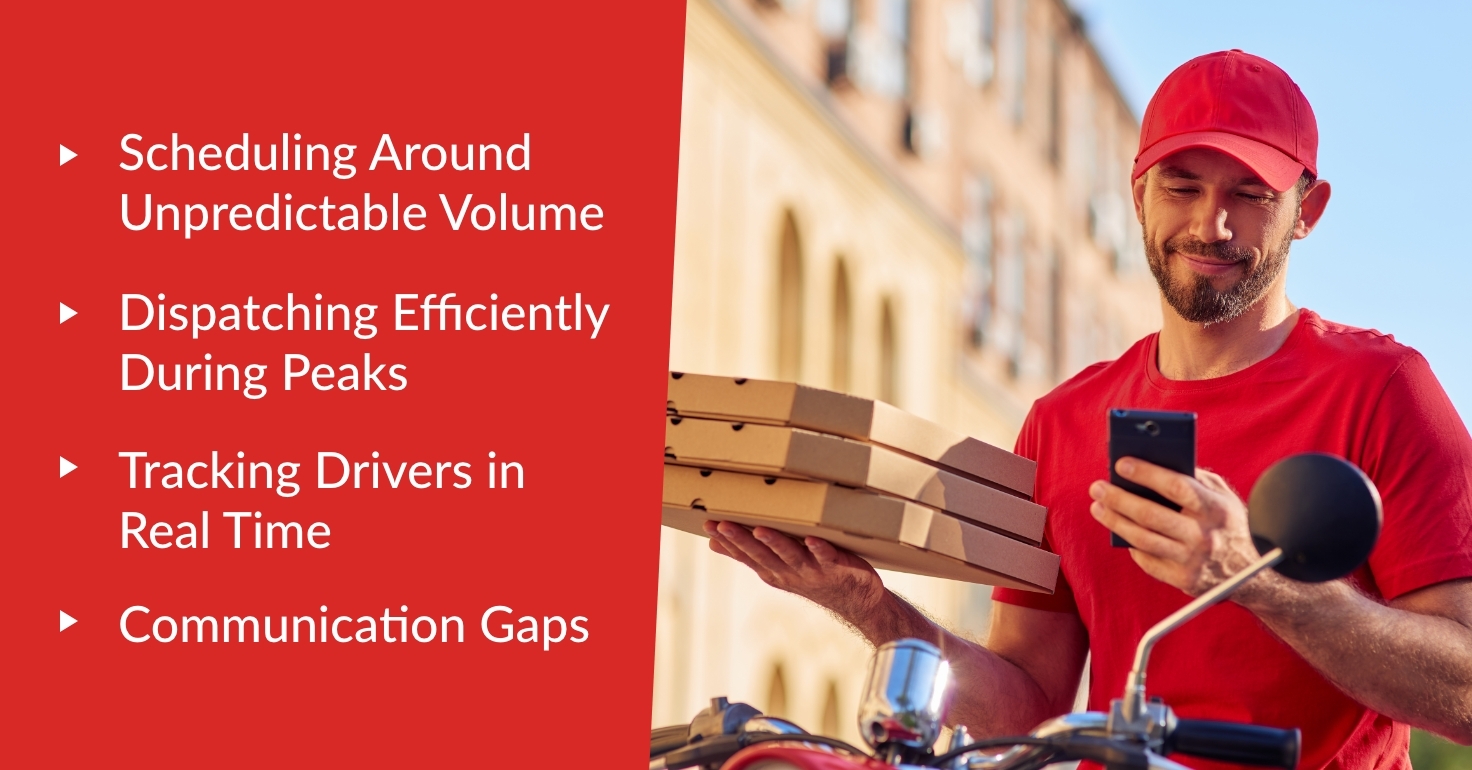
Scheduling around unpredictable volume
Demand changes with weather, events, promotions, seasonality, and day of week. A schedule based only on daily totals can leave a restaurant overstaffed or short-handed.
Review several weeks of orders by 15- or 30-minute interval, noting weather, events, promotions, or outages that changed normal demand. Build a base schedule, identify an on-call or overflow option, and compare each forecast with actual order-ready volume.
Dispatching efficiently during peaks
During a rush, the dispatcher must know which orders are ready, where customers are located, which drivers are available, and which promised times are at risk.
Use a shared delivery view and simple priority rules, such as promised time followed by route compatibility. Give one person final assignment authority during peak periods and define how the team handles a late kitchen, unavailable driver, wrong address, or delivery outside the normal zone.
Tracking drivers in real time
Without delivery tracking, staff may not know whether a driver is finishing a stop, returning, or delayed by traffic.
Real-time status and location can support dispatch and customer updates. Explain when location is collected, how it is used, and apply appropriate access and retention controls. Managers should limit visibility to employees who need it for active delivery work.
Communication gaps
Delivery errors often begin at a handoff: a missing drink, an unlabeled bag, an old address, or instructions that never reached the driver.
Use one source of order information and a brief verification routine. Label packages, separate hot and cold items, confirm contact details, and record who completed the check.
How restaurants successfully manage their own delivery drivers
Reliable delivery combines suitable tools with routines employees can repeat under pressure. Technology should clarify order status and responsibility without adding another disconnected screen. If employees must copy information or interpret conflicting statuses, simplify the workflow before volume increases.
Centralize operations with restaurant delivery software
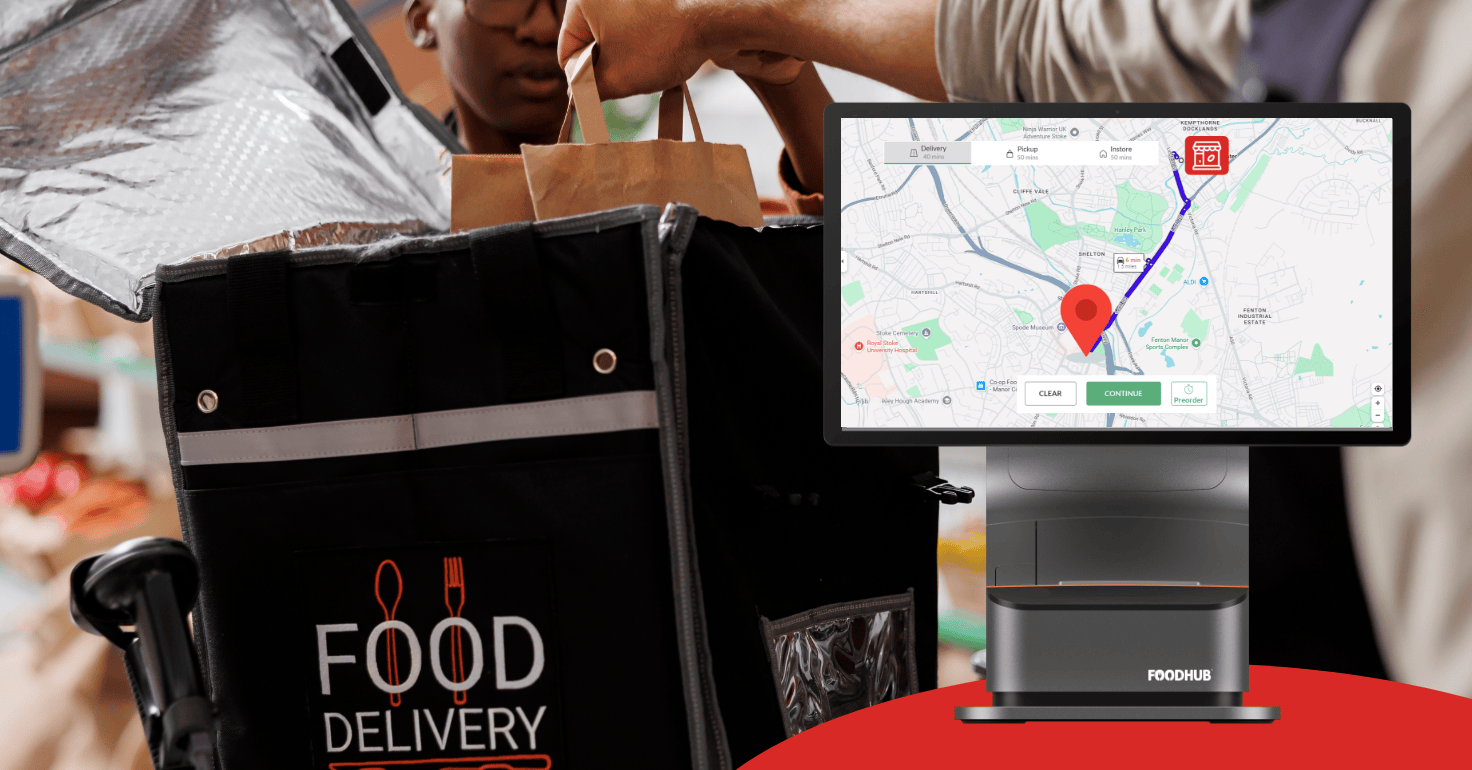
Restaurant delivery software can connect order details, driver assignment, navigation, tracking, and reporting. When it works with the restaurant's POS system, employees spend less time re-entering information.
Foodhub's Drive2Success delivery management tools support assignment, live order and driver tracking, route guidance, communication, proof of delivery, and reporting. Confirm how any tool fits the restaurant's devices, POS, payment process, and workflow, then train with realistic peak-period scenarios before launch.
Build clear dispatch and handoff workflows
Create a delivery staging area that does not block the counter or kitchen pass. Use temperature-appropriate holding equipment and large, consistent labels.
Define the handoff: the kitchen marks the order complete, a checker verifies packages and extras, dispatch confirms the assignment, and the driver acknowledges pickup. Specify what happens when an item is missing, the address changes, or the customer cannot be reached.
Use real-time restaurant delivery tracking
Live tracking shows assigned drivers and active orders, supporting customer updates and the dispatcher's next assignment decision.
Drivers should update status at pickup and delivery, with exceptions recorded consistently. If staff cannot trust the statuses, they will return to phone calls and side conversations.
Optimize delivery zones and routes
Set the delivery area by actual drive time, not mileage alone. Traffic, parking, building access, bridges, and highways can make equally distant addresses very different to serve.
Review orders by neighborhood, trip duration, lateness, average check, and repeat demand. Test representative menu items at the zone's edge during realistic traffic. Then adjust boundaries, delivery fees, minimums, or availability by daypart when the service promise becomes difficult to maintain.
Schedule and incentivize drivers strategically
Schedule drivers around order-ready demand. Overlapping start and end times can cover the dinner peak without maintaining maximum staffing throughout the evening.
Avoid speed-only incentives. Balance timeliness with accuracy, safe-driving expectations, customer feedback, completed status updates, and adherence to procedure.
Kitchen and front-of-house practices that support in-house delivery
A successful delivery begins before the driver reaches staging. Ordering, kitchen, front-of-house, and dispatch teams need a shared view of order status.
Accurate prep times synced with dispatch
Quoted times should respond to kitchen load, menu complexity, driver availability, and drive time. Routing cannot repair a promise that exceeded available capacity.
Compare estimated and actual ready times by item, shift, and order size, then adjust staffing, menu availability, throttling rules, or estimates where delays repeat. A connected online ordering system can keep delivery and pickup orders visible alongside other channels and reduce conflicting information.
Clear communication between the kitchen and delivery staff
Assign one employee to confirm main items, sides, beverages, sauces, requested utensils, preparation notes, and the delivery label. Seal the order only after the check.
Before leaving, the driver should confirm the order name or number, package count, address, and drop-off instructions. This catches obvious handoff problems while they remain easy to fix.
Packaging standards for temperature control
Choose packaging by menu item and trip conditions. Fried foods may need ventilation, soups need leak resistance, and hot and cold items should be separated. Test the complete packed order after a typical trip.
The National Restaurant Association's off-premises packaging guidance recommends evaluating temperature, texture, appearance, package integrity, and local food-safety requirements. Test containers with the actual menu, typical delivery time, stacking method, and insulated bags rather than relying only on supplier descriptions.
Final order checks before handoff
Match the receipt to the packaged items. Mark multi-bag orders clearly, such as 1 of 2 and 2 of 2, and keep beverages or refrigerated items visible during handoff.
Tamper-evident seals can show that the bag was closed after checking. Place seals where they remain intact without blocking labels, ventilation, or safe carrying points.
Metrics that show delivery operations are working
.jpeg)
Track measures that connect customer experience with cost. Review them by daypart, zone, source, and shift so an overall average does not hide recurring problems.
Average delivery time
Measure order acceptance to confirmed delivery, then separate preparation, wait-for-driver, and travel time. The total tells the customer story; each component identifies the delay.
Use your own baseline rather than a universal target. Compare similar orders and zones, using the median for a typical delivery and a higher percentile to expose long waits. Review both measures over time so a few unusually fast orders do not hide recurring delays.
On-time delivery percentage
Calculate the share of orders delivered by the promised time, including early-delivery performance when scheduled timing matters.
When performance declines, determine whether preparation, driver availability, dispatch, or travel caused the gap before adding labor.
Cost per delivery
Include labor, payroll costs, mileage or vehicle expense, insurance, software, recruiting, training, refunds, remakes, and management time. Divide by completed deliveries.
Compare contribution margin and cost per delivery across similar direct and third-party orders. Consider each channel's reach, capacity, customer relationship, and operational control. Review refunds, remakes, cancellations, and promotional costs as well as the visible delivery fee or commission.
Customer satisfaction and repeat orders
Tag feedback by issue: lateness, temperature, packaging, missing items, driver interaction, or communication. Track complaints and refunds alongside customer satisfaction.
Measure repeat direct-delivery order complaints without assuming delivery alone caused them. Look for changes after improvements and ask whether the order arrived on time and in good condition.
How in-house delivery strengthens customer loyalty and long-term growth
Owning delivery creates a direct line of accountability. Customers need an accurate promise, a complete order, and a straightforward way to get help when something goes wrong.
Regular drivers may learn building entrances, parking constraints, and route problems. Record that knowledge in delivery notes so it belongs to the operation, not one employee.
Direct-channel data can show which zones order frequently, which items travel well, when delays occur, and which customers return. Use it with appropriate consent and privacy controls, and limit marketing communication to information the customer reasonably expects to receive.
A disciplined in-house operation can reduce dependence on one channel. A hybrid model may still provide marketplace reach or overflow capacity where direct delivery is less efficient.
When managing your own delivery drivers makes the most sense
Evaluate demand, geography, menu suitability, staffing, insurance, technology, and management capacity before committing to an in-house fleet. The best candidate has enough repeat volume to use drivers efficiently, a service area the kitchen can support, and managers with time to oversee the operation.
High takeout and delivery volume
Consistent demand provides more opportunity to keep drivers productive. Review orders by interval because 30 orders across 10 hours require different staffing than 30 orders in two peaks.
Model conservative cost and volume scenarios, including slow periods, cancellations, remakes, vehicle expense, insurance, and management time. Pilot a limited zone or daypart before making a broader change, then compare the results with the assumptions used to approve it.
Dense delivery radius
Route density often matters more than radius. Several nearby orders on one efficient route may support in-house delivery better than scattered orders across a wide area.
Map demand by neighborhood and daypart. Consider building access, parking, tolls, traffic, and handoff time; narrow the zone or use overflow support where economics remain weak.
Strong repeat customer base
Repeat customers may be willing to use the restaurant's direct website or app when it is easy and the value is clear. Explain the option at checkout, on packaging, or through permitted communications.
A reliable order history can support relevant loyalty offers, but smooth ordering, consistent food, fair value, and dependable service remain the clearest reasons to return.
Reducing third-party dependency
A mixed-channel strategy reduces dependence while preserving customer choice. Direct channels support repeat relationships; marketplaces may contribute discovery or flexible capacity.
Define when orders stay with the in-house fleet and when overflow support applies. Where possible, use suitable restaurant integrations to keep order status and reporting connected.
Take control of your delivery success
In-house delivery provides control only when the operation is disciplined. Start with the economics, define the service promise, build the handoff, and measure the complete order journey.
Keep the process proportionate: a compact zone, short checklist, clear dispatcher role, and a few useful metrics can create sustainable consistency.
Foodhub for Business connects online ordering, POS tools, and delivery management to keep order information and driver activity easier to follow. The right configuration depends on the restaurant's existing setup.
Want to see whether it fits your operation? Speak to the Foodhub for Business team about your current setup, delivery workflow, and areas you want to simplify.