How Takeout and QSR Restaurants Reduce Commission Fees Without Losing Volume
Third-party delivery marketplaces can help a takeout or quick-service restaurant reach customers who might not otherwise find it. They can also make the economics of an order harder to manage. Marketplace fees vary by provider, plan, market, and fulfillment method, and the highest-visibility option is not always the best fit for every restaurant.
The pressure matters because off-premises service is no longer a side channel for many QSRs. The National Restaurant Association reported that takeout, drive-thru, and delivery represented 83% of limited-service restaurant traffic in 2024. When so much customer activity happens away from the counter, restaurants need to protect both order volume and the contribution each order makes after fees and fulfillment costs.
The answer is usually not an abrupt exit from delivery apps. It is a measured transition: keep the channels that provide useful reach, give repeat customers a simple direct-ordering option, connect orders to restaurant operations, and compare channels using profit rather than revenue alone.
Why commission fees need a channel-by-channel view
A marketplace order may include percentage-based fees, payment costs, advertising spend, promotional participation, or other charges. The exact structure differs, so a broad claim such as “every app charges 30%” is not reliable. For example, Uber Eats publishes different U.S. marketplace terms based on plan and location, while other delivery options may use a flat fulfillment fee instead of a marketplace commission.
That variation is why operators should calculate the cost of each channel separately. A 20% fee on a high-margin family bundle may be manageable. The same fee on a heavily discounted single-item order may leave little contribution after food, packaging, labor, payment, and delivery costs.
Look beyond the monthly platform bill
The total bill shows how much you paid, but it does not show whether the orders were worthwhile. Track fees per order, average check, discounts funded by the restaurant, refunds, packaging, and fulfillment cost. Then compare the amount left from a marketplace order with the amount left from pickup, direct delivery, phone, counter, and kiosk orders.
Do not leave delivery marketplaces before your direct channel is ready
Marketplaces can serve a real discovery role. A customer who is new to the neighborhood may search an app before searching for a specific restaurant. Removing every listing at once can reduce visibility and create friction for guests who already order there.
Before changing channel availability, make sure the alternative works well on a phone, displays accurate menus and hours, accepts the payment methods customers expect, and provides clear pickup or delivery updates. The direct path also needs an operational home: orders should reach the right printer or kitchen display without staff copying them from another device.
Build a gradual path from marketplace discovery to direct reordering
A balanced model lets marketplaces introduce the restaurant while direct channels support the repeat relationship. The goal is to earn the next order through a convenient experience—not to make the customer work harder or feel scolded for using an app.
Make the direct option easy to find
Place the restaurant’s direct ordering URL on the website, Google Business Profile, social profiles, receipts, menus, and packaging. A QR code on a bag insert can shorten the path, but it should lead directly to a mobile-friendly menu and be tested before printing. Include the typed URL as a backup.
Give repeat customers a practical reason to change
Value does not always mean a deep discount. A direct-only bundle, simpler reordering, accurate status updates, or loyalty credit can make the channel more useful. According to the National Restaurant Association, 65% of drive-thru users and more than 60% of takeout and delivery users say loyalty-program membership affects where they order. This suggests that a clear repeat-order benefit can help make direct ordering more appealing. Keep offers easy for staff to explain and financially sustainable.
Use customer communication carefully
With appropriate consent, direct ordering can give a restaurant greater access to customer information generated through that channel. Use it to send relevant updates, such as a new menu item or a reminder tied to an established ordering pattern. Avoid flooding customers with generic promotions; the direct relationship should feel more useful than the marketplace experience.
Improve the economics of every ordering channel
Moving orders direct is only one lever. Restaurants can also improve the contribution of orders that remain on third-party marketplaces.
Design channel-specific bundles
Build bundles around items that travel well, can be prepared consistently, and provide enough margin to absorb the channel’s costs. A family meal or lunch combination may work better than discounting every item. Keep portions, modifier rules, and packaging needs clear so the offer does not slow the kitchen.
Use modifiers and add-ons with restraint
Accurate paid modifiers can protect margin and reduce remakes when customers customize an order. Relevant prompts for drinks, sides, or desserts may increase average check, but too many prompts make ordering harder. The menu should guide the guest, not turn checkout into an obstacle course.
Separate marketplace cost from delivery cost
Direct ordering does not make fulfillment free. A restaurant using its own drivers still pays wages, insurance, mileage, dispatch, and management costs. A restaurant using a third-party courier may pay a flat delivery fee. Compare the complete cost per completed order and account for delivery distance, failed deliveries, refunds, and staff time.
How a connected POS setup supports commission control
Channel strategy becomes difficult when each source has a separate menu, tablet, and reporting view. A connected restaurant POS can provide a more consistent operating layer while allowing the restaurant to keep the channels that make sense.
Centralize menu and pricing updates
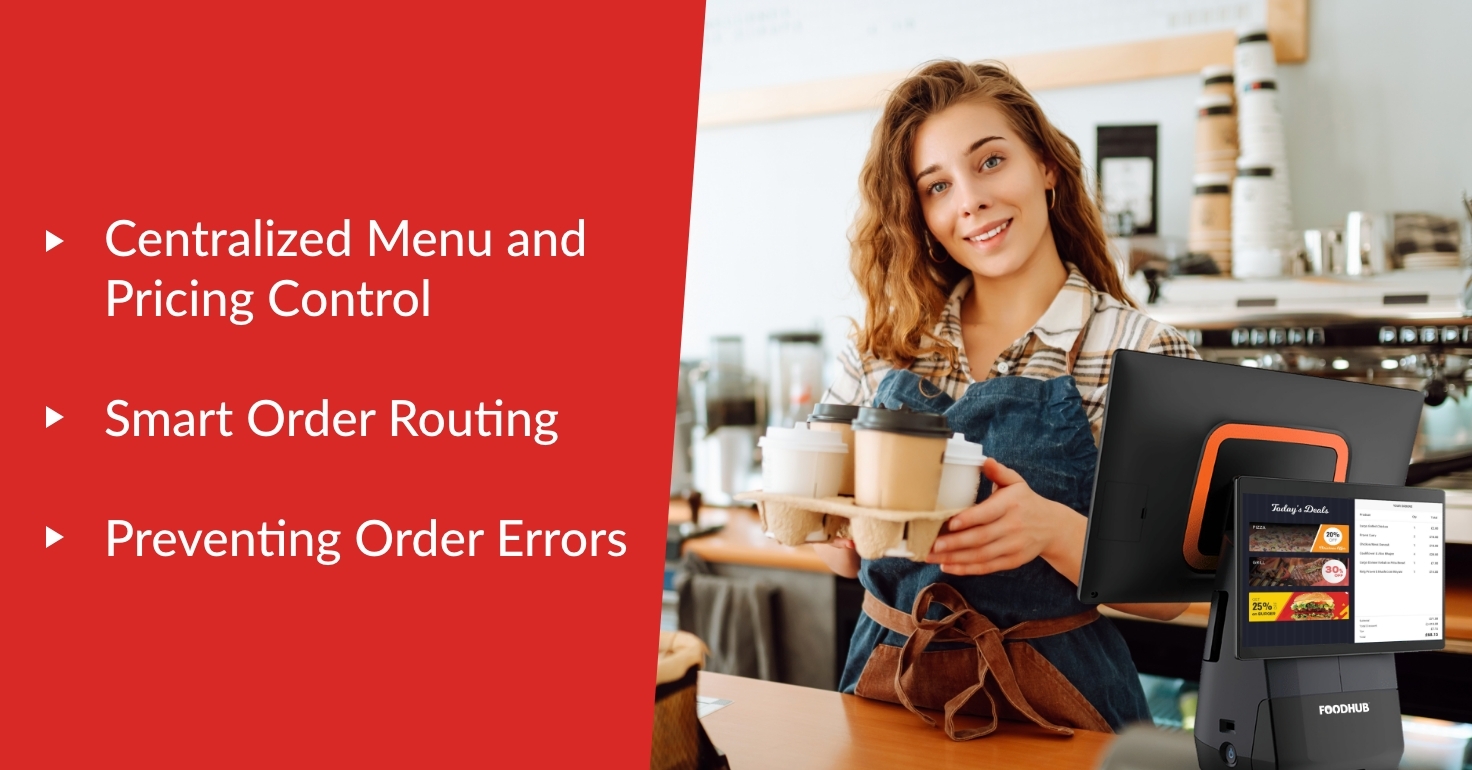
A connected setup can reduce the need to edit the same item in several places. Operators can keep names, prices, modifiers, availability, and tax treatment aligned while still making deliberate channel-specific decisions. Before assuming an integration supports every function, confirm exactly what synchronizes and how quickly changes appear.
Route orders without rekeying them
When supported integrations send orders into the restaurant workflow, staff spend less time watching separate tablets or entering tickets by hand. That can reduce missed modifiers, duplicate work, and avoidable remakes. The result is not just lower friction; it is a more reliable customer experience across channels.
Use reporting to guide channel decisions
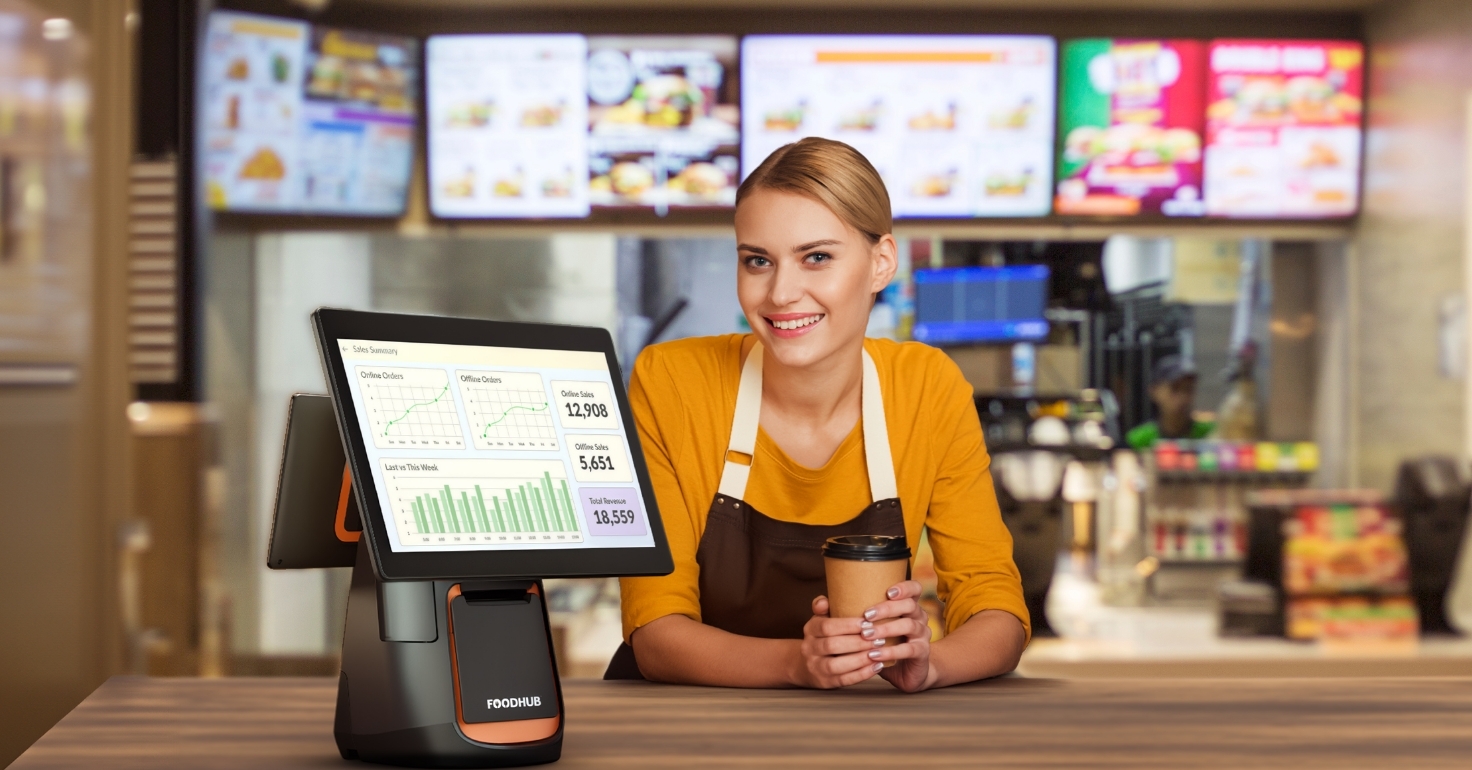
Reporting should make it possible to compare sales by source, daypart, item, and location. If the current setup hides channel performance, that is one sign the restaurant may have outgrown its POS system. Better visibility helps operators reduce dependence selectively instead of making an all-or-nothing decision.
Protect order volume while customer habits change
Match the convenience customers already have
Direct ordering must be fast, clear, and reliable. Keep the menu easy to scan, minimize unnecessary checkout fields, display pickup or delivery expectations before payment, and make reordering straightforward. If customers encounter a broken link, unclear fee, or missing item, many will return to the app they already know.
Set realistic preparation times
Promised times should reflect the kitchen’s actual workload, not an ideal day. Review acceptance delays, preparation time, driver wait, pickup dwell time, and late-order complaints by channel. When a restaurant cannot dynamically adjust times, staff need a simple process for updating availability before service falls behind.
Keep packaging and handoff consistent
A lower-cost channel will not keep customers if food arrives cold, spills, or waits on an unmarked shelf. Use packaging that fits the menu, label orders clearly, separate hot and cold items when practical, and create an obvious pickup point. Reliability is what turns a first direct order into a habit.
When third-party delivery fees can still make sense
Commission reduction should not become a rigid rule. A marketplace can still earn its place when it adds reach or capacity that the restaurant cannot reproduce economically.
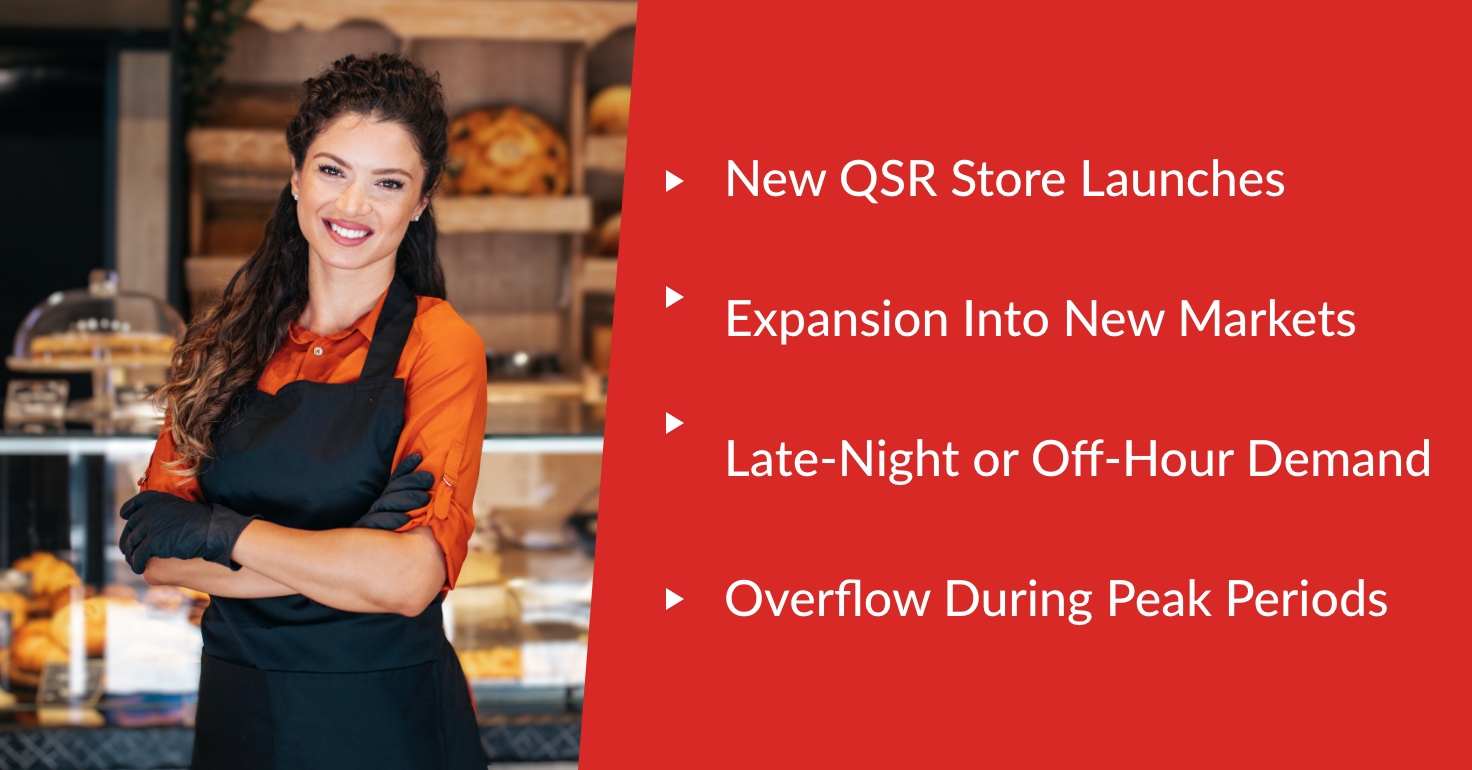
Useful cases may include opening a new location, testing demand in an unfamiliar neighborhood, serving late-night customers without maintaining an in-house driver team, or adding delivery capacity during unusually busy periods. The decision should be based on incremental contribution and service quality—not on gross marketplace sales alone.
Measure whether the transition is working
Review a small set of measures every month and compare them by channel:
Commission and marketplace cost per completed order.
Direct orders as a share of digital orders.
Repeat-order rate by channel.
Average check and discount cost by channel.
Refund, cancellation, error, and late-order rates.
Estimated contribution after food, labor, packaging, payment, marketplace, and fulfillment costs.
A healthier mix does not require every customer to order direct. Success may mean that repeat customers increasingly use the restaurant’s channel while marketplaces continue to supply profitable new-customer orders or delivery capacity.
Reduce commission costs without disrupting service
The safest way to reduce commission fees is to change the order mix deliberately. Keep marketplace channels where they provide valuable discovery or capacity, strengthen the direct experience for repeat customers, and connect orders to the way the restaurant already operates. Then use channel-level reporting to decide what to expand, renegotiate, or reduce.
Foodhub for Business offers restaurant POS options, direct online ordering tools, and ordering-partner integrations that can be evaluated around a restaurant’s current setup. Speak to our team to discuss which combination fits your operation and what a practical transition could look like.