Menu Engineering: How to Increase Restaurant Profitability in 2026!
Your menu is one of the most powerful tools your restaurant has. Small changes to layout, pricing, wording, and placement can shift what customers order, raise average spend, and protect margins when food costs rise. In 2026, with costs still volatile and competition high, menu engineering is essential.
This post explains what menu engineering is, why it works, data that proves it makes a difference, and a simple step-by-step process you can begin this week. I include sources so you can dig deeper if you want.
What Restaurant Menu Engineering Means
Menu engineering means analysing each item on your menu for its popularity and profitability, then using design, pricing, and psychology to make better-selling items more prominent. You use data such as food cost, sales mix, and contribution margin combined with layout, descriptions, and imagery to influence choices without having to rely on constant discounts.
Why Menu Engineering Works

Customers often pick quickly, so whatever catches their eye first counts. Menu engineering taps into this with proven techniques. For example, anchoring or placing a higher-priced dish next to a mid-range one makes the mid-range dish look better value. Studies on anchoring and decoy effects show they work in food and hospitality pricing.
What the Data Shows
Using contribution margin (price minus food cost) instead of just food cost helps you identify which dishes really help pay the bills.
The Menu Engineering Matrix: Your Guide
Here’s an easy way to visualise what to do with each dish on your menu:
- Stars: popular dishes that also make a good profit. Put these in your prime menu spots.
- Plowhorses: items customers love, but margins are thin. Adjust the portion or cost if you can, or subtly raise the price.
- Puzzles: profit is good, but few people order them. Try improving descriptions, making them more visible, or offering deals to let more people try them.
- Dogs: low popularity and low profit. Consider removing them or changing them to specials to test if they pick up sales.
Step-By-Step Plan You Can Start This Week
- Gather 8-12 weeks of sales data from your EPOS, with item-level detail including times of day.
- Calculate contribution margin for each dish (menu price minus food cost).
- Plot each dish into the matrix based on popularity and margin.
- Promote your Stars (prime real estate, photos, recommendations).
- Tweak Plowhorses by adjusting cost, price, or portion size.
- Rework Puzzles with better copy, visibility, or cross-selling.
- Remove or test Dogs as specials before eliminating them permanently.
- Use layout tricks, such as placing high-margin items in eye-catching spots on the menu.
- Use digital menu boards or your EPOS to update prices or availability quickly when costs change.
- Run small experiments (price, layout, description) and measure results. Review changes monthly.
Practical Examples
If you run a pub, you might move a high-margin starter into a visible “small plates” section with vivid description so people order it as a share. A takeaway might slightly raise the price of a popular dish and reduce waste by tweaking ingredient costs, without hurting demand. Test before you roll change out.
Potential Traps to Watch Out for
Avoid these mistakes:
- Don’t rely only on food cost percentages. Margin matters more.
- Don’t overcrowd your menu. Too many choices confuse customers and slow decisions.
- Don’t change everything at once. If you alter too many variables, you won’t know what caused any difference in performance.
Tools That Help
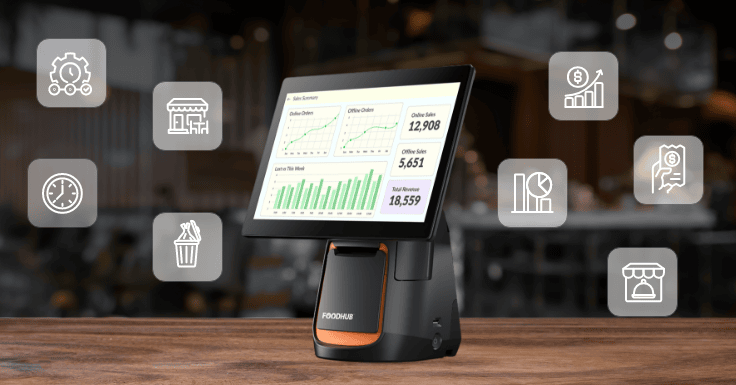
- Use your EPOS to export reliable data on what sells and when.
- Templates or software tools make calculations easier.
- Use digital menu boards or EPOS-linked menus so you can update quickly when costs or supplies change.
Quick Checklist: Menu Engineering Essentials
- Export 8-12 weeks of sales data from your restaurant EPOS system.
- Calculate the contribution margin for each dish.
- Classify items into stars, workhorses, puzzles, and dogs.
Stars - High profit, high popularity (your heroes, promote these more).
Plowhorses (Workhorses) - Low profit, high popularity (keep them, but try to improve margins).
Puzzles - High profit, low popularity (find ways to sell more of these).
Dogs - Low profit, low popularity (consider removing or reworking these). - Improve descriptions for puzzles and stars.
- Test one pricing or layout change for two weeks.
- Review results and repeat monthly.
Final Thoughts
Menu engineering is both an art and a science. It gives you a repeatable way to protect margins, help customers find dishes they love, and grow revenue without relying on heavy discounting. In 2026, when costs are still uncertain, this is one of the clearest, lowest-risk ways to improve profitability.
If you want help putting this into practice, tools that link your EPOS data to digital menus, automated pricing, or layout tests are invaluable. Partner with Foodhub that allow you to test changes in menu layout, pricing, and item promotion, helping you make better choices faster.